



Dealership Buy/Sells Plateau in First Half
The latest Blue Sky Report from Kerrigan Advisors counts 200 transactions in the first half of 2017 and predicts increased dealership buy/sell activity in Q3 and Q4.
The most recent buy/sell activity report from Kerrigan Advisors includes 200 transactions in the first half of 2017. Photo by Open Grid Scheduler
IRVINE, Calif. — Dealership buy/sell activity during the first half of 2017 reveals a notable willingness by auto dealers to take on minority and majority equity partners, according to analysis from the Blue Sky Report from Kerrigan Advisors. The report also shows that buy/sell activity through the first half of 2017 remained high. Kerrigan Advisors expects activity in the second half of the year to surpass the first half, resulting in the fourth year of more than 200 buy/sells.
“2017 is on pace to be a record year for equity partner investment structures,” said Erin Kerrigan, founder and managing director of Kerrigan Advisors. “We think this shift in buy/sell activity is mostly due to the increasing size and complexity of the dealership groups coming to market. In addition, dealers are attracted to the opportunity to remain involved in the business post-transaction, while also taking some chips off the table.”
Key data and analysis from the first half of 2017 includes:
101 dealership buy/sell transactions completed in the first half of 2017, compared to 106 transactions during the first half of 2016.
Multi-dealership transactions represented 25% of completed transactions in the first half of 2017. Those transactions saw a 23% rise in the number of franchises represented per transaction.
Public retailers increased spending 61% in the first half of 2017, compared to the first half of 2016.
Domestics’ share of the buy/sell market remained at 44%, while nonluxury imports saw their share of the buy/sell market increase to 39%.
Toyota, Honda and Subaru dealerships enjoy high buyer interest, with consistently high profitability
Amongst the publics, Lithia and Penske have acquired 21 US dealerships
The private sector acquired 93% of the franchises sold
Dealership real estate prices and rents rose slightly as compared to 2016
“We see resilience in the buy/sell market,” continued Kerrigan. “Even though SAAR is down, it remains within a historically high range. Auto sales in the first half of 2017 were actually 5% higher than the trailing five-year average, and dealerships remain highly profitable.”
The report identifies three key trends moving forward into Q3 and Q4 of 2017:
Dealers take on majority and minority capital partners
Reinsurance profits increasingly factor into buy/sells
Retiring key operators prompt some dealers to sell
“One of the more interesting trends we see moving into Q3 and Q4 of 2017 is retirement-driven transactions, but not necessarily in the way you think,” said Ryan Kerrigan, managing director of Kerrigan Advisors. “When a key lieutenant retires, that’s prompting some older dealers to sell, versus finding a replacement. As a result, the retirement of key management, in combination with the aging of the dealer body, is increasingly prompting older dealers to sell.”
To download the full report, click here.
More Showroom
Dealers a Little Down
A third-quarter Cox Automotive survey finds them in a mixed mood, bummed by fallen customer traffic but encouraged by better profits, costs and EV interest.
Read More →
European EV Sales Skyrocket
The EV market on the continent held strong in July with almost 25% of new-car sales being fully electric units, a stark contrast to the U.S., where EV sales declined about 42%.
Read More →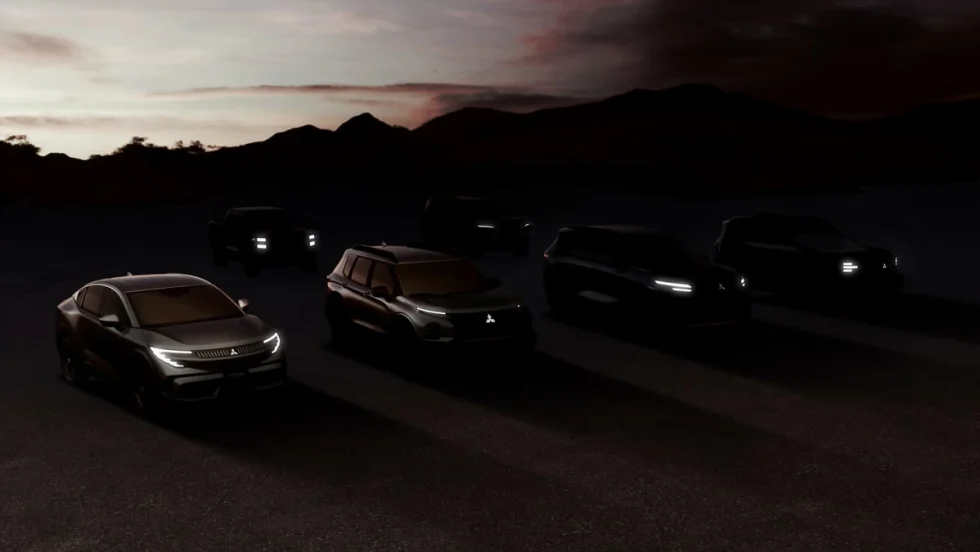
Mitsubishi Unveils U.S. Plan
The automaker announced a strategy that includes an expanded lineup and dealership presence, along with more ‘rugged’ and electric models.
Read More →
Used Lots Getting the Business
Many consumers are seeking out the units to save money, and the demand – higher in July than normal – is keeping supply limited and prices up.
Read More →
Used Market Stabilizes
The Carfax Used Car Index noted a major drop in used-vehicle price increases in July after several months of hikes.
Read More →
California Hybrids Reach State Record
The Golden State still leads the country in electric-vehicle registrations, but much like the rest of the U.S. its hybrid market share is up while full electrics stabilize after a dramatic first-quarter dip.
Read More →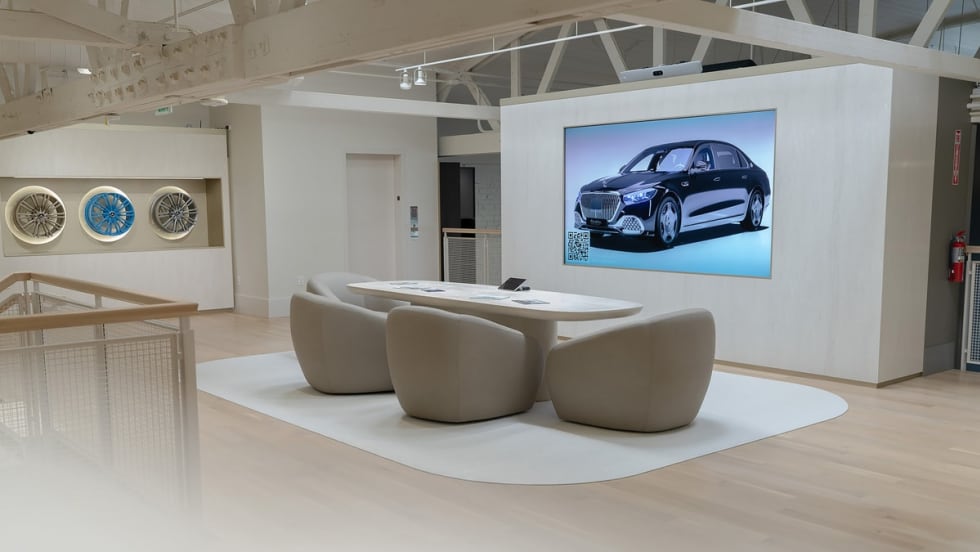
My Mercedes in the U.S.
The German brand debuted its studio dealership concept for the first time in the states in Los Angeles, tapping Americans’ penchant for creative distinctions.
Read More →
Used Sales Hit Summer Drag
The vacation season, combined with high prices, has dented deliveries and added to inventories, though supply is still slim enough to keep listings elevated.
Read More →
California Launches EV Rebate Program
Participating automakers are matching the state's $13.5 million investment in new electric-vehicle rebates scheduled to take effect later this summer.
Read More →
OEM Poll Sees Industry Evolution
Kerrigan Advisors’ survey of automakers finds that tariffs, technology, network tightening and other factors are poised to reshape auto retail.
Read More →