



EV Tax Credits May Put Brakes on EV Adoption
Major automakers say the $430 billion bill approved Sunday by the U.S. Senate will put the brakes on achieving U.S. electric-vehicle adoption targets for 2030.

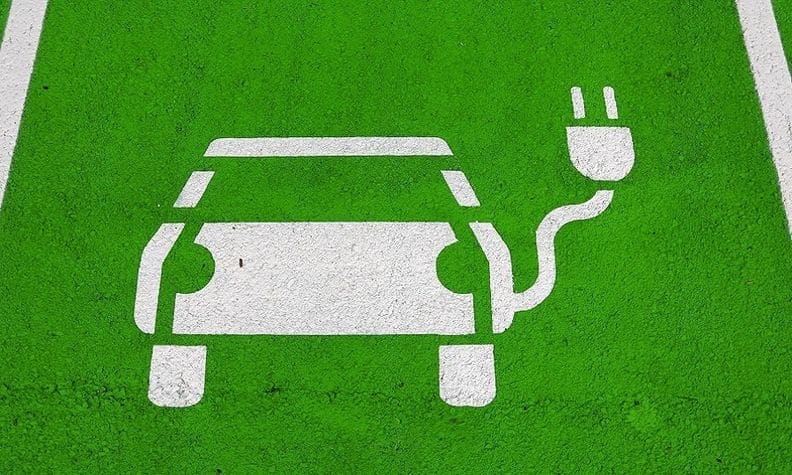
Creative Commons
A group representing General Motors, Toyota Motor, Volkswagen and other major automakers purport that a $430 billion bill approved Sunday by the U.S. Senate will put the brakes on achieving U.S. electric-vehicle adoption targets for 2030.
"Unfortunately, the EV tax credit requirements will make most vehicles immediately ineligible for the incentive," said the Alliance for Automotive Innovation's chief executive, John Bozzella. He noted the bill also would jeopardize the collective target of 40-50% electric vehicle sales by 2030.
The group warned legislators before the bill passed that most EV models would not qualify for a $7,500 tax credit for U.S. buyers under the legislation.
The bill allows credits for vehicles assembled in North America, which makes some EVs ineligible for the credit.
The Senate bill also imposes other restrictions to deter automakers from using Chinese-made materials by requiring automakers to use more North American-sourced battery components in a phased process. Vehicles with batteries having Chinese components will not the credit after 2023.
Sen. Joe Manchin, who pushed for the restrictions, said EVs should not depend on foreign supply chains while Sen. Debbie Stabenow of Michigan said the credit is "unworkable."
Used EVs are eligible for a $4,000 tax credit. The package also provides billions in new funding for EV production as well as $3 billion for the U.S. Postal Service to buy EVs and battery-charging equipment.
The new EV tax credits will expire in 2032. As they stand, they are limited to trucks, vans and SUVs under $80,000 and cars up to $55,000. Only families with adjusted grows incomes of up to $300,000 will be eligible.
Originally posted on Auto Dealer Today
More Showroom

California Sees Quarterly Gains
California’s new-vehicle market saw a boost in hybrids in the third quarter and its first overall quarterly market gain of the year.
Read More →
New-Vehicle Prices Stay Put
Affordability pressures and model availability shaped new-vehicle sales in September, according to an analysis by Kelley Blue Book.
Read More →
EV Buyer Consideration Shifts
What drives American consumers to purchase an electric vehicle is shifting as the question moves away from Should I?' to 'Which features and experience do I want to have?'
Read More →
Year-to-Date Auto Sales Holding Their Own
A forecast through August shows that automakers have shifted strategies to keep deliveries and revenues up despite tariffs and other economic challenges.
Read More →
Slow to Robo
Ten years of polling consumers shows autonomous vehicles’ profiles have risen considerably, but even more people now want at least some level of control if they go that route.
Read More →
Dealers a Little Down
A third-quarter Cox Automotive survey finds them in a mixed mood, bummed by fallen customer traffic but encouraged by better profits, costs and EV interest.
Read More →
European EV Sales Skyrocket
The EV market on the continent held strong in July with almost 25% of new-car sales being fully electric units, a stark contrast to the U.S., where EV sales declined about 42%.
Read More →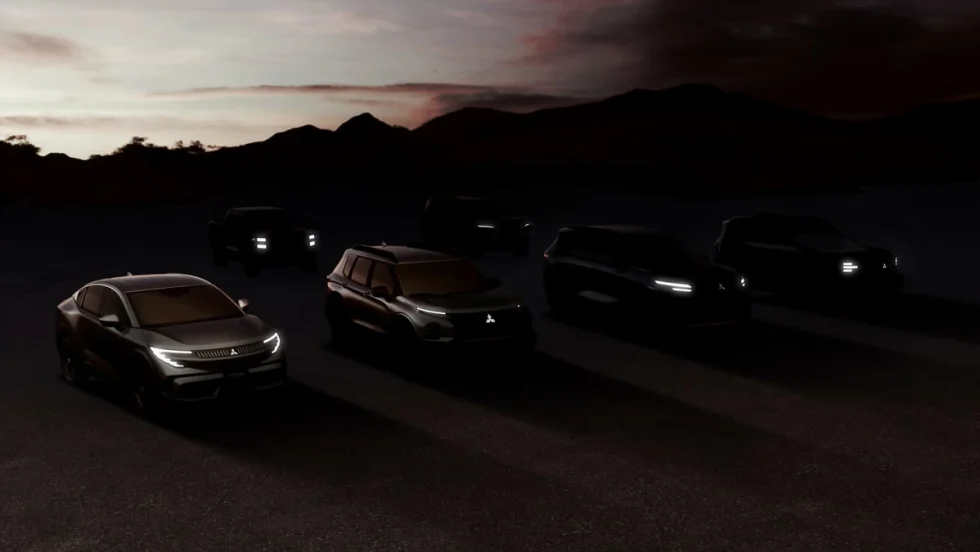
Mitsubishi Unveils U.S. Plan
The automaker announced a strategy that includes an expanded lineup and dealership presence, along with more ‘rugged’ and electric models.
Read More →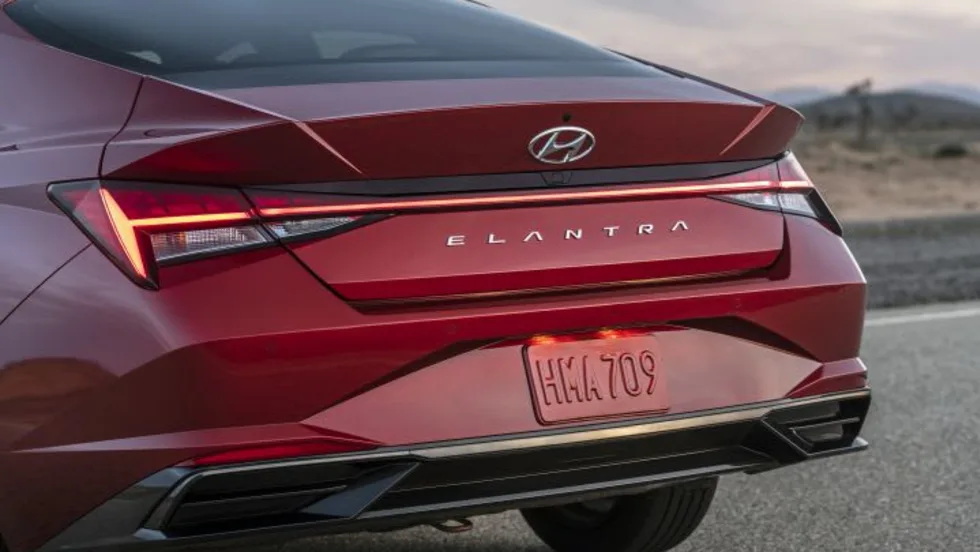
Used Lots Getting the Business
Many consumers are seeking out the units to save money, and the demand – higher in July than normal – is keeping supply limited and prices up.
Read More →
Used Market Stabilizes
The Carfax Used Car Index noted a major drop in used-vehicle price increases in July after several months of hikes.
Read More →