



EV Tax Credits on Chopping Block
Meanwhile, plentiful supply creates sales opportunities.


Some of the first-quarter EV sales surge came in consumers getting ahead of any trade tariff push on vehicle prices.
Pexels/Tom Fisk
As the Trump administration and congressional Republicans target electric-vehicle subsidies, consumers have a potentially fading chance to get deals, just as EV prices have come in line with gas-powered models.
House Republicans proposed this week to eliminate tax credits of up to $7,500 for EV purchases that have boosted sales of electrified vehicles and put EV transaction prices on par with those for internal combustion engine vehicles.
Combined with axing incentives for clean-energy production, the tax credit tanking would go toward the Trump administration’s tax-cut package.
With the EV tax credits still in place, the average transaction price for EVs is now $45,600, just $500 more than for ICE vehicles, according to J.D. Power research.
The House GOP proposal would phase out the EV tax credits, ending them completely by the end of next year. At that point, the average EV ATP would tick back up to $51,200, J.D. Power said.
The figures don’t take into account any inflation related to U.S. trade tariffs, which are still very much in flux.
Meanwhile, consumers can take advantage of plentiful EV inventory on dealer lots, which totaled about 155,000 new units this month, according to J.D. Power. It pointed out that the existing inventory also isn’t subject to tariffs because it was already in place before they took effect.
Automakers have introduced more EV models to answer regulatory pressures, bringing the number available on the U.S. market to more than 60, J.D. Power said. With the broad selection and lower ATPs, market share jumped 18% year-over-year in the first quarter, most of it from mass-market consumers.
Some of the first-quarter EV sales surge came in consumers getting ahead of any trade tariff push on vehicle prices.
If the EV purchase tax credits indeed end, it’s unknown if the cost difference will be passed along to consumers and how the change will affect EV sales.
More Showroom

Making the Safe Choice
Kelley Blue Book has turned households with teen drivers onto safe and affordable options for their vehicles of choice
Read More →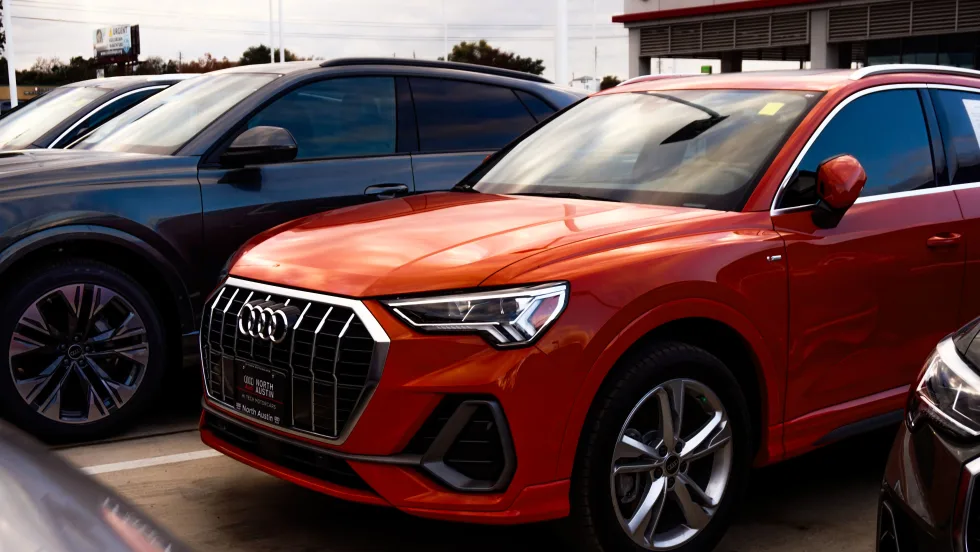
Inventory Holds Steady
September new-vehicle inventory rose slightly month-over-month, but dealer lots are laden with MY2026 vehicles as the typical model year changeover trudges along.
Read More →
October Auto Sales Fall With the Leaves
A forecast anticipates retail deliveries are down this month as consumers continue to face cost challenges, though more are tapping long loans in order to buy.
Read More →
California Sees Quarterly Gains
California’s new-vehicle market saw a boost in hybrids in the third quarter and its first overall quarterly market gain of the year.
Read More →
New-Vehicle Prices Stay Put
Affordability pressures and model availability shaped new-vehicle sales in September, according to an analysis by Kelley Blue Book.
Read More →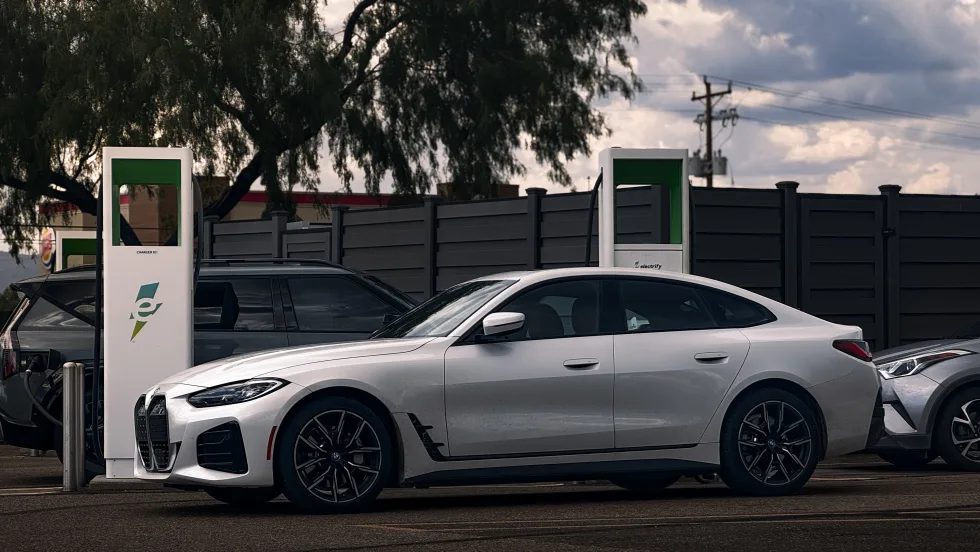
EV Buyer Consideration Shifts
What drives American consumers to purchase an electric vehicle is shifting as the question moves away from Should I?' to 'Which features and experience do I want to have?'
Read More →
Year-to-Date Auto Sales Holding Their Own
A forecast through August shows that automakers have shifted strategies to keep deliveries and revenues up despite tariffs and other economic challenges.
Read More →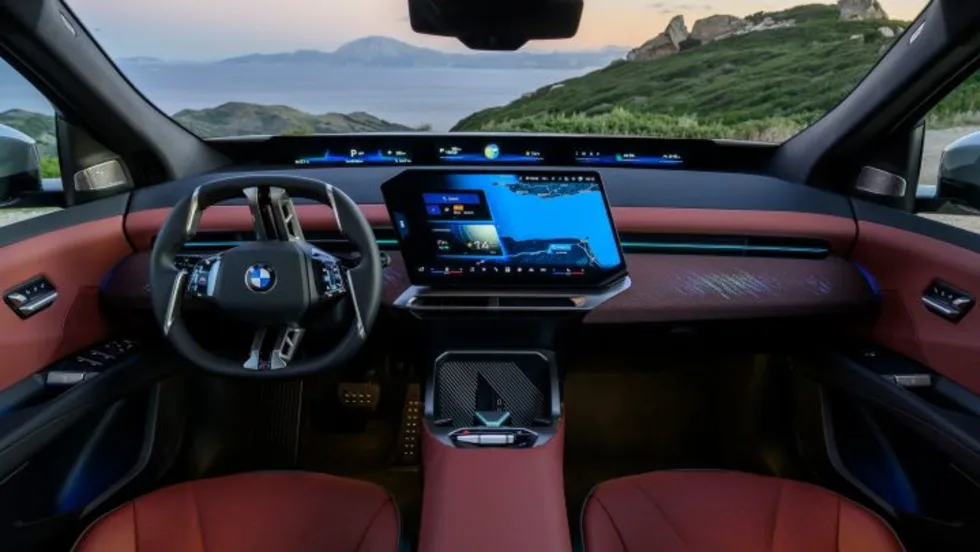
Slow to Robo
Ten years of polling consumers shows autonomous vehicles’ profiles have risen considerably, but even more people now want at least some level of control if they go that route.
Read More →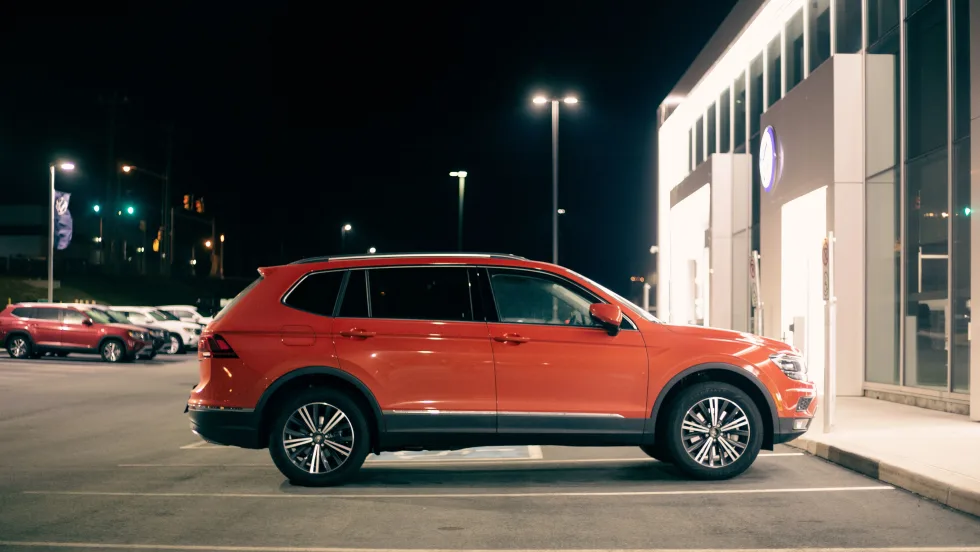
Dealers a Little Down
A third-quarter Cox Automotive survey finds them in a mixed mood, bummed by fallen customer traffic but encouraged by better profits, costs and EV interest.
Read More →
European EV Sales Skyrocket
The EV market on the continent held strong in July with almost 25% of new-car sales being fully electric units, a stark contrast to the U.S., where EV sales declined about 42%.
Read More →