



Facebook Adds New Tools for Auto Dealers
The social network announced the launch of two new ad features intended to help dealers and other automotive companies target users and capture their contact information.


Facebook has announced new digital tools designed to help auto dealers connect with and capture car buyers on the social network. Photo by LPS.1
MENLO PARK, Calif. — Facebook has announced the launch of dynamic ads and new updates to lead ads, both specifically designed for automotive businesses, including dealers.
The dynamic ads are designed to self-generate based on each dealer’s updated inventory — primarily make, model and year — to show the most compelling vehicles to individual Facebook users. Dealers may choose to link the ads to vehicle description pages or lead submission forms.
The company also announced enhancements to its lead ads. Designed to simplify the process of “capturing intent,” lead ads now send users to a prepopulated contact form; users need only confirm the information they wish to share to make contact. Both enhancements were designed to target Facebook users on any platform, including smartphones, tablets and desktop computers.
“To be successful in today’s auto industry, you can’t wait for customers to find you — you need to create intent by proactively reaching people in relevant and timely ways,” Facebook’s announcement read, in part. “The people coming into a dealership are just a small subset of your potential customer base — and that’s why it’s helpful to generate intent before they arrive to your location.”
More Showroom

Mitsubishi Unveils U.S. Plan
The automaker announced a strategy that includes an expanded lineup and dealership presence, along with more ‘rugged’ and electric models.
Read More →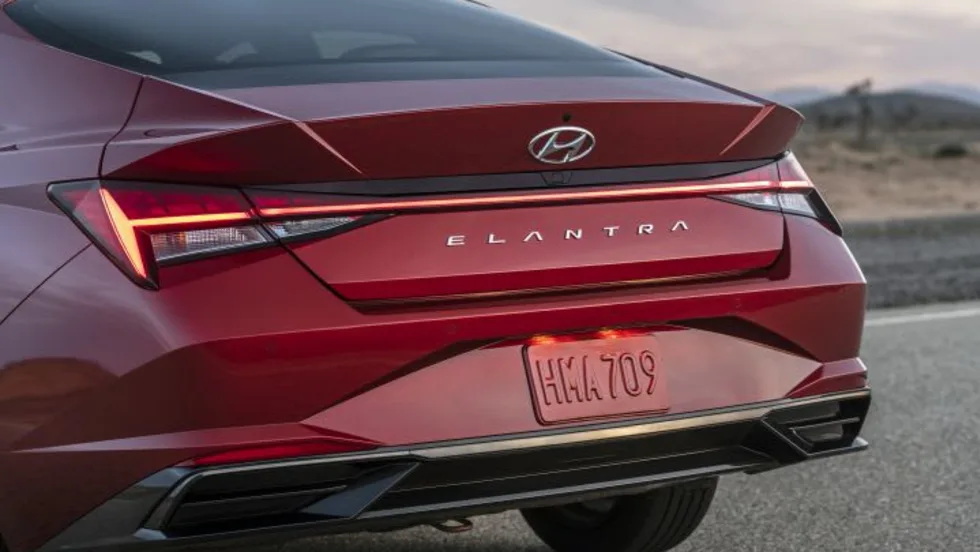
Used Lots Getting the Business
Many consumers are seeking out the units to save money, and the demand – higher in July than normal – is keeping supply limited and prices up.
Read More →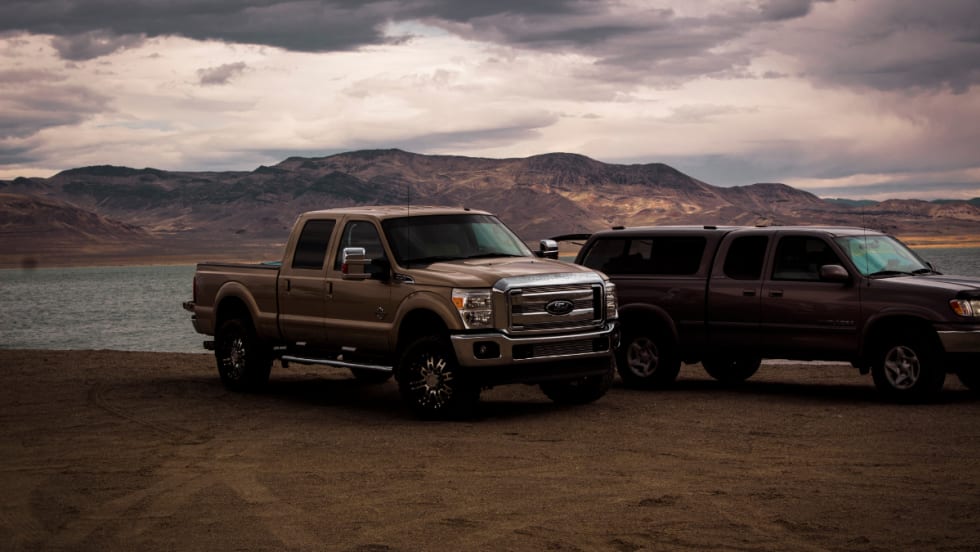
Used Market Stabilizes
The Carfax Used Car Index noted a major drop in used-vehicle price increases in July after several months of hikes.
Read More →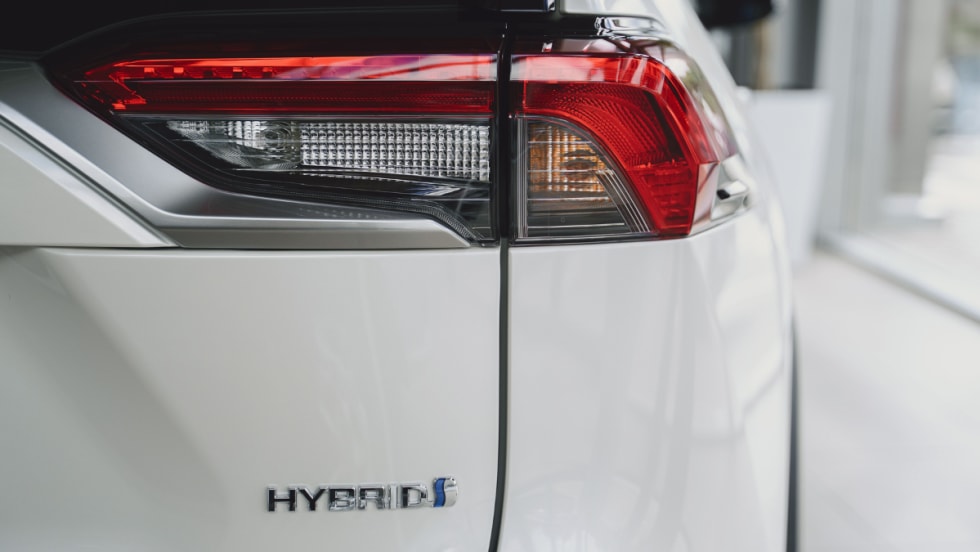
California Hybrids Reach State Record
The Golden State still leads the country in electric-vehicle registrations, but much like the rest of the U.S. its hybrid market share is up while full electrics stabilize after a dramatic first-quarter dip.
Read More →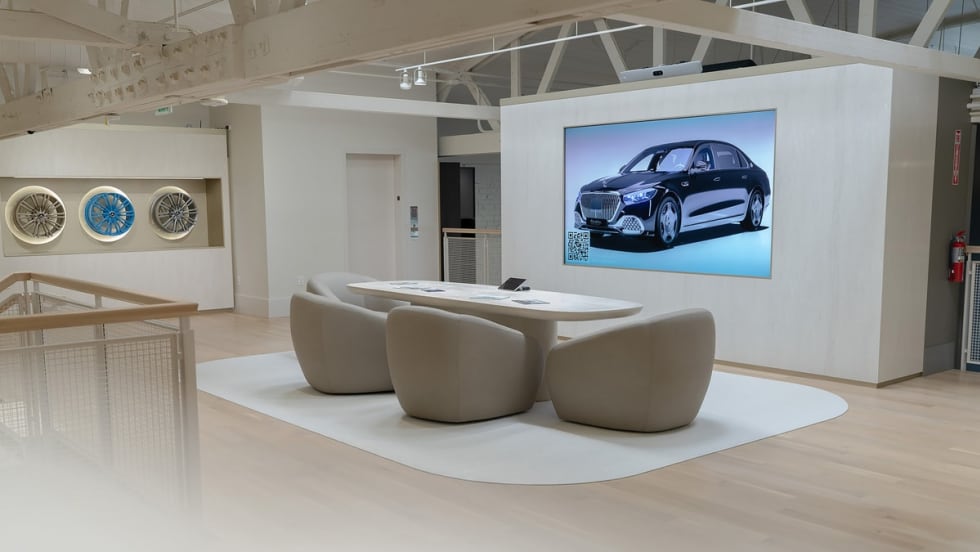
My Mercedes in the U.S.
The German brand debuted its studio dealership concept for the first time in the states in Los Angeles, tapping Americans’ penchant for creative distinctions.
Read More →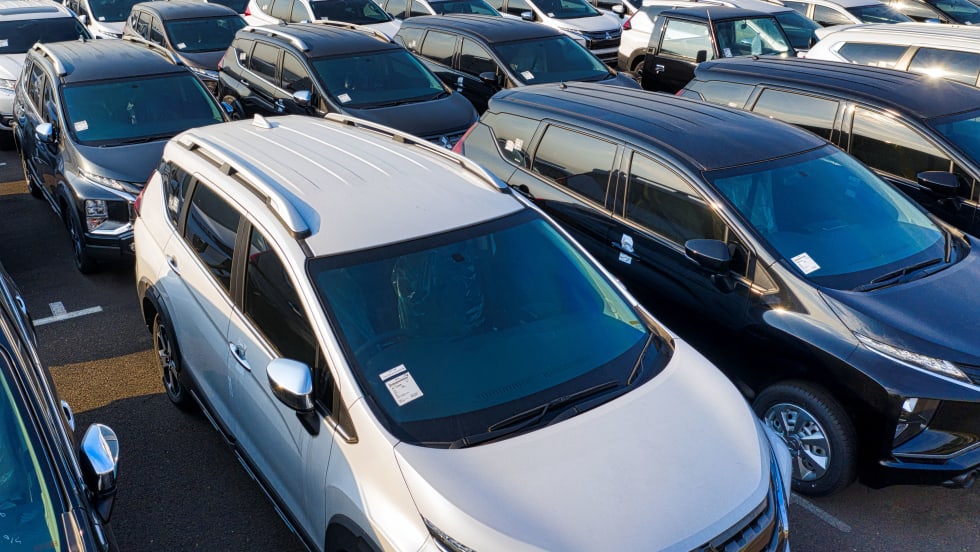
Used Sales Hit Summer Drag
The vacation season, combined with high prices, has dented deliveries and added to inventories, though supply is still slim enough to keep listings elevated.
Read More →
California Launches EV Rebate Program
Participating automakers are matching the state's $13.5 million investment in new electric-vehicle rebates scheduled to take effect later this summer.
Read More →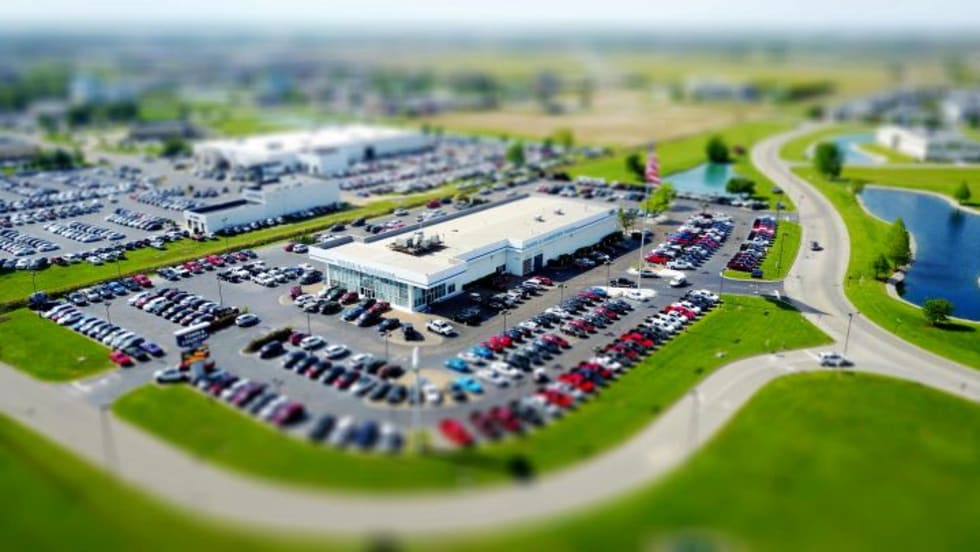
OEM Poll Sees Industry Evolution
Kerrigan Advisors’ survey of automakers finds that tariffs, technology, network tightening and other factors are poised to reshape auto retail.
Read More →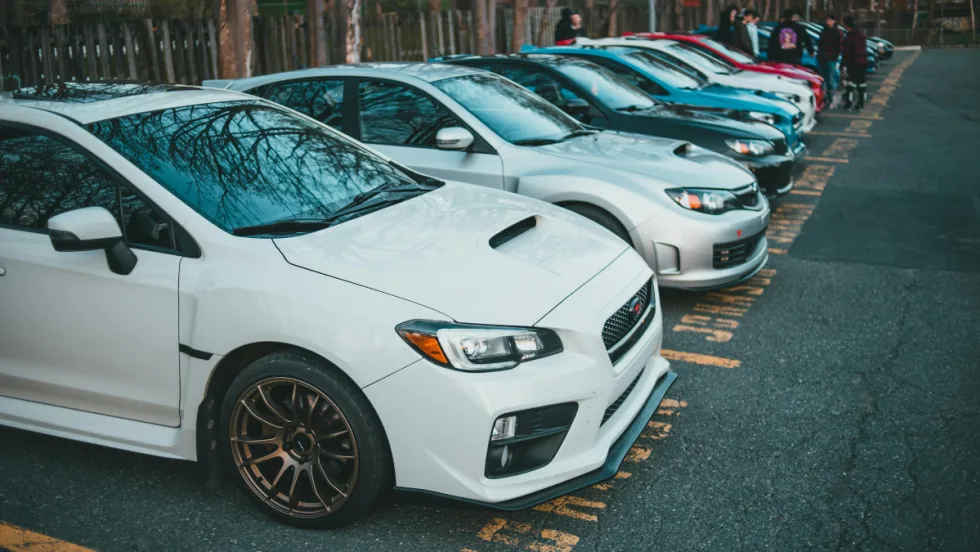
The Trade-In Paradox
Retailing older cars with confidence in today’s market is a matter of establishing and following a clear process that can turn greater profit for auto dealers as they aim to meet used-unit hunger.
Read More →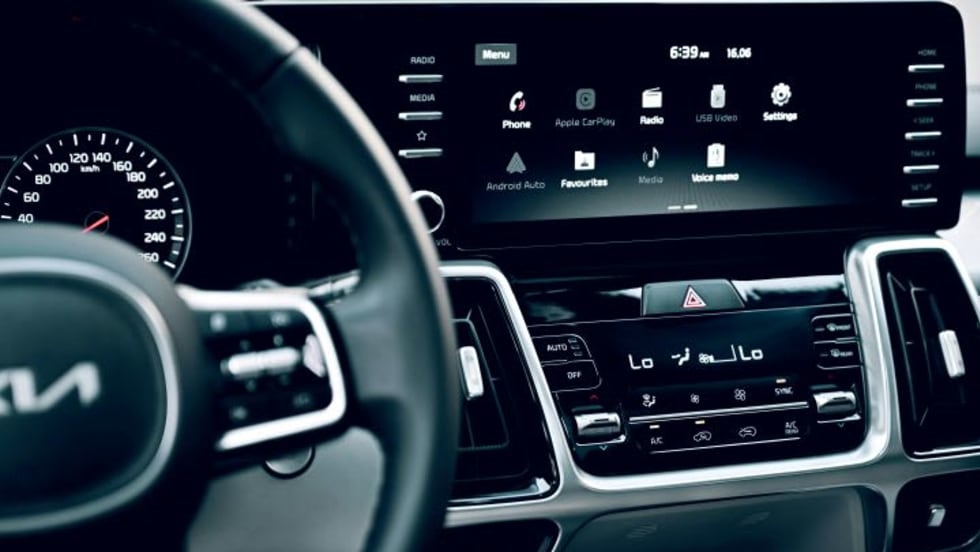
Focus on Vehicle Cabins
The market for interior materials will grow in coming years as automakers look to meet consumer demand while staying competitive with changeups to sourcing and included features.
Read More →