



Hyundai, Kia Thefts Continue After Fix
To date, only 7% of the approximately eight million affected cars have received the software upgrade.

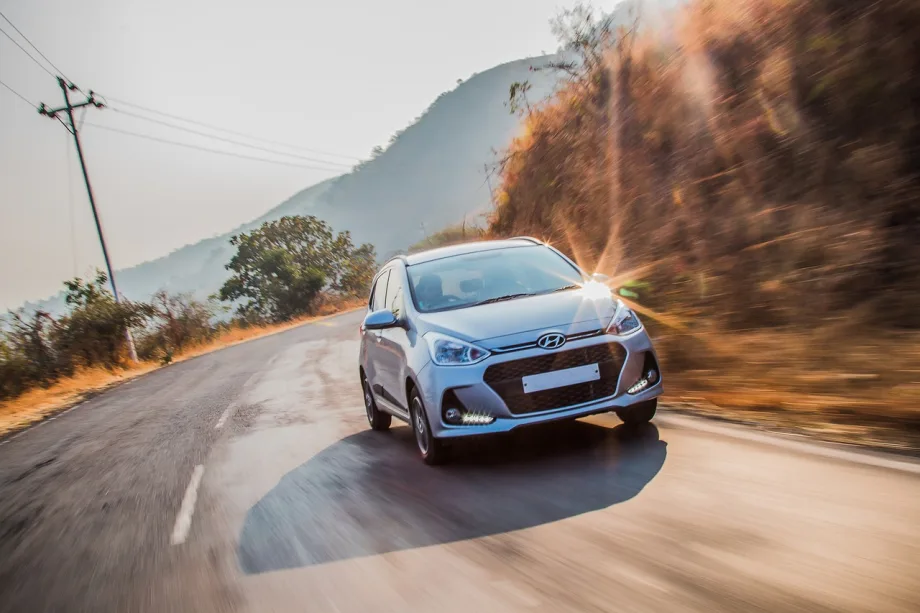
Thieves exploit the vehicles’ lack of an antitheft chip to steal the autos.
Varun Kulkarni, Pixabay
Hyundai and Kia continue to grapple with vehicle thefts, despite a software fix introduced in February, according to a Wall Street Journal report.
To date, the problem remains unresolved, the paper said, causing embarrassment and financial strain for the South Korean automakers. Currently, only 7% of the approximately eight million affected cars in the U.S. have received the software upgrade, although the number of fixed vehicles is increasing rapidly, according to the article.
Kia assures customers the software upgrade is effective, despite an auto owner reporting a vehicle theft after the fix, the report noted.
Attorneys general in 17 states have pushed for a recall of effected vehicles, but the article reports Hyundai and Kia maintain the cars are not defective and comply with safety regulations. The automakers thus have decided not to issue a safety recall on affected vehicles, despite pressure from some states, which has complicated efforts to address the issue.
They instead sent service bulletins to dealers about the issue, but the decision not to issue a safety recall has limited awareness among owners, the Wall Street Journal reported. A shortage of parts for repairs, including steering-column covers, has further delayed fixing stolen vehicles, leaving owners waiting for weeks or even months.
Still, Hyundai and Kia assure owners and dealers the service bulletins contain the information for the fix. But the automakers also say they are exploring various methods to reach customers and to expedite the production of parts that are no longer in production.
The article reports that the surge in thefts began after the "Kia Boys" group posted instructional videos on social media platforms on how to exploit the vehicles’ lack of an antitheft technology. Thieves primarily target vehicles manufactured between 2011 and 2021, which lack the antitheft chip and rely on a standard key, according to the Wall Street Journal.
The online activity has increased thefts of the vehicles and led to negative publicity and reputational damage for the companies, despite recent market gains and critical acclaim. Multiple U.S. cities have filed lawsuits against the automakers, alleging their failure to prevent thefts has increased crime rates and burdened police budgets.
In response to a class-action lawsuit, the article reports the companies agreed this month to pay over $200 million to owners of stolen vehicles.
Originally posted on Auto Dealer Today
More Showroom
California Sees Quarterly Gains
California’s new-vehicle market saw a boost in hybrids in the third quarter and its first overall quarterly market gain of the year.
Read More →
New-Vehicle Prices Stay Put
Affordability pressures and model availability shaped new-vehicle sales in September, according to an analysis by Kelley Blue Book.
Read More →
EV Buyer Consideration Shifts
What drives American consumers to purchase an electric vehicle is shifting as the question moves away from Should I?' to 'Which features and experience do I want to have?'
Read More →
Year-to-Date Auto Sales Holding Their Own
A forecast through August shows that automakers have shifted strategies to keep deliveries and revenues up despite tariffs and other economic challenges.
Read More →
Slow to Robo
Ten years of polling consumers shows autonomous vehicles’ profiles have risen considerably, but even more people now want at least some level of control if they go that route.
Read More →
Dealers a Little Down
A third-quarter Cox Automotive survey finds them in a mixed mood, bummed by fallen customer traffic but encouraged by better profits, costs and EV interest.
Read More →
European EV Sales Skyrocket
The EV market on the continent held strong in July with almost 25% of new-car sales being fully electric units, a stark contrast to the U.S., where EV sales declined about 42%.
Read More →
Mitsubishi Unveils U.S. Plan
The automaker announced a strategy that includes an expanded lineup and dealership presence, along with more ‘rugged’ and electric models.
Read More →
Used Lots Getting the Business
Many consumers are seeking out the units to save money, and the demand – higher in July than normal – is keeping supply limited and prices up.
Read More →
Used Market Stabilizes
The Carfax Used Car Index noted a major drop in used-vehicle price increases in July after several months of hikes.
Read More →