



Infrastructure Bill Impacts to the Auto Industry
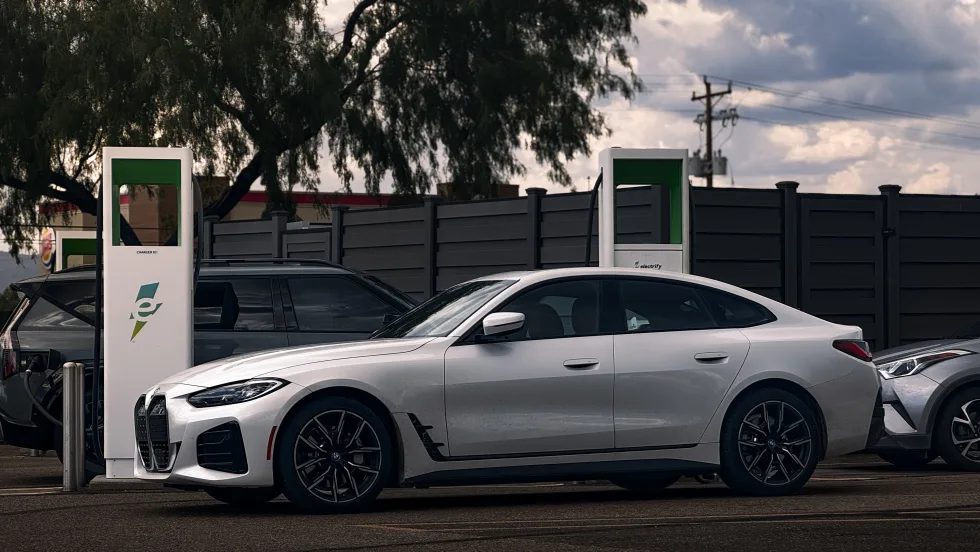
A key priority in the bill is spending $7.5 billion to build a national network of 500,000 electric vehicle (EV) charging stations.


Creative Commons
The U.S. House of Representatives has passed the largest infrastructure package in decades earmarking $550 billion in infrastructure spending and offering key provisions for the auto industry.
A key priority in the bill is spending $7.5 billion to build a national network of 500,000 electric vehicle (EV) charging stations. The government plans to use the money to build EV chargers along highway cooridors to facilitate long-distance travel and within communities.
The legislation also set key safety deadlines for the U.S. Department of Transportation. The bill imposes deadlines for the DOT to issue rules on automatic shut off for keyless ignition systems, updated headlamp standards, and equipping vehicles with drunken driving and impaired driving prevention technology.
The bill also earmarks $65 billion to upgrade the nation’s electrical grid with new transmission lines and to support “the development, demonstration, and deployment of cutting-edge clean energy technologies,” reported the White House.
The country awaits a vote on the Biden Administration’s $1.75 trillion Build Back Better Act. This legislation includes a tax credit for union-built EVs, which automakers with non-unionized factories say is unfair.
House Majority Leader Steny Hoyer, predicts the legislation will pass before the Nov. 25 Thanksgiving holiday. House moderates reported in a statement that they will allow a vote no later than the week of Nov. 15.
Originally posted on Auto Dealer Today
More Showroom

New Cars Less Affordable
Buying conditions eroded for American shoppers last month due to inflation and interest rates, though they fared better than a year ago.

October Sales Divided
Inventory trends split between the new- and used-vehicle markets, though prices continued to rise for both in October.
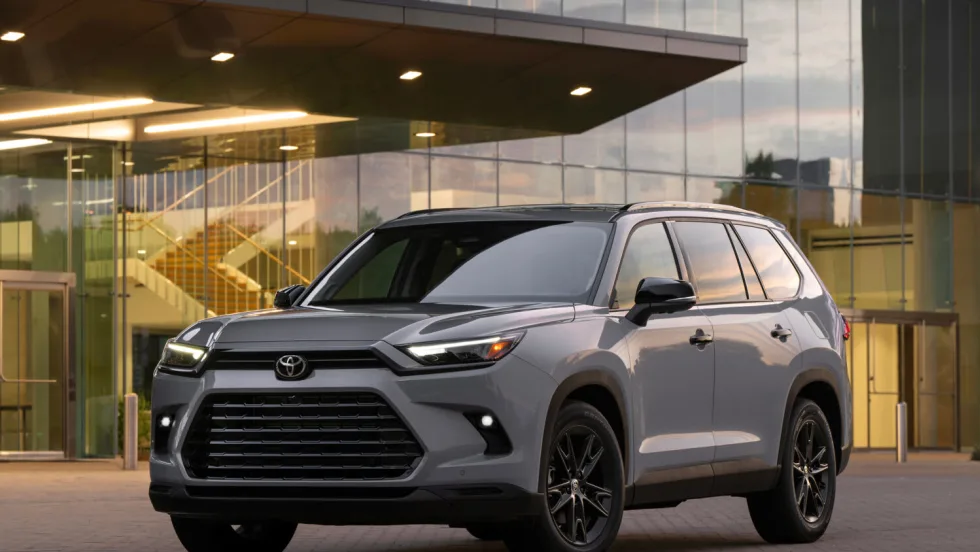
Auto Transaction Prices Hit New Height
October sales of big, pricey models push up the average, even as budget-conscious consumers snag more economical options.

Making the Safe Choice
Kelley Blue Book has turned households with teen drivers onto safe and affordable options for their vehicles of choice
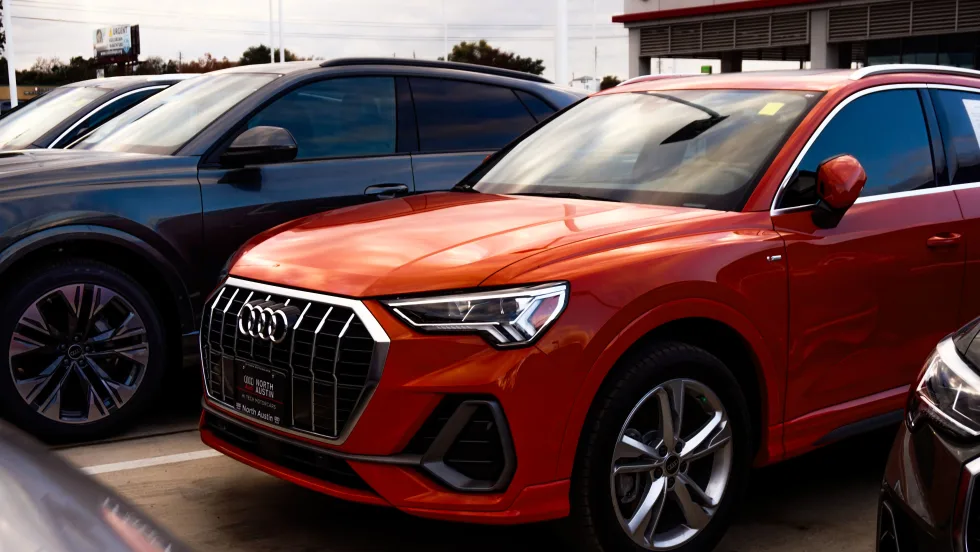
Inventory Holds Steady
September new-vehicle inventory rose slightly month-over-month, but dealer lots are laden with MY2026 vehicles as the typical model year changeover trudges along.

October Auto Sales Fall With the Leaves
A forecast anticipates retail deliveries are down this month as consumers continue to face cost challenges, though more are tapping long loans in order to buy.
California Sees Quarterly Gains
California’s new-vehicle market saw a boost in hybrids in the third quarter and its first overall quarterly market gain of the year.
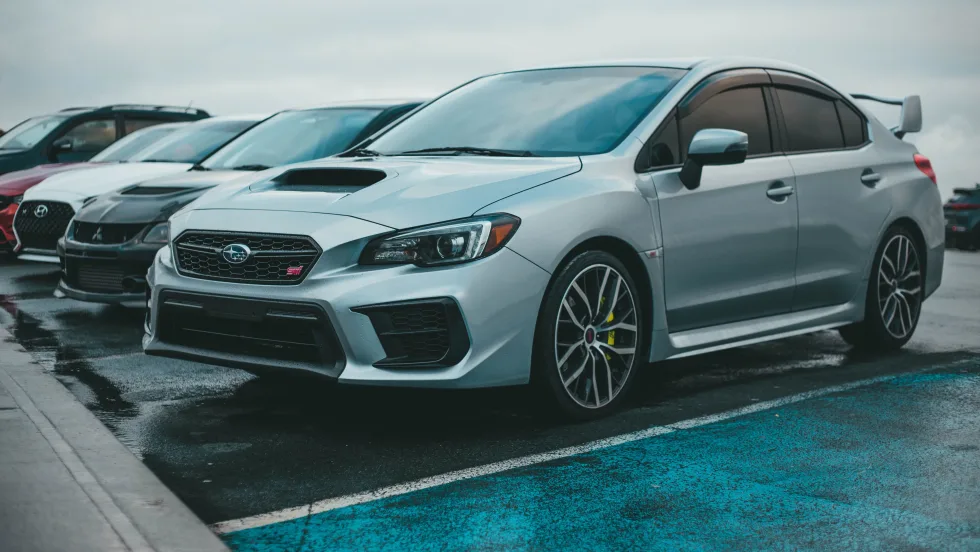
New-Vehicle Prices Stay Put
Affordability pressures and model availability shaped new-vehicle sales in September, according to an analysis by Kelley Blue Book.
EV Buyer Consideration Shifts
What drives American consumers to purchase an electric vehicle is shifting as the question moves away from Should I?' to 'Which features and experience do I want to have?'

Year-to-Date Auto Sales Holding Their Own
A forecast through August shows that automakers have shifted strategies to keep deliveries and revenues up despite tariffs and other economic challenges.