



JD Power Study Finds Modest Growth in EV Interest
Just one quarter of potential buyers say they would consider electric.

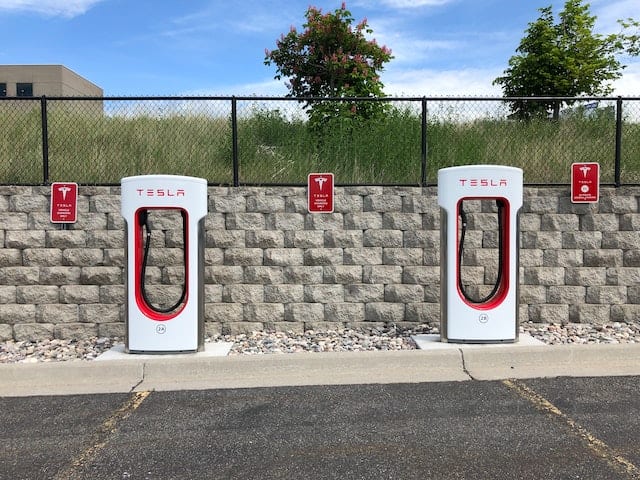
Tesla’s proprietary, nationwide charging network may soon be available to other automakers.
Chad Russell, Pexels
Concerns about charging infrastructure have contributed to a modest increase in U.S. car shoppers looking to buy electric vehicles, with just one quarter of potential buyers showing interest, according to the J.D. Power 2023 U.S. Electric Vehicle Consideration Study.
The research firm discovered that 26% of shoppers are now "very likely" to consider an EV, a 2% increase from the previous year. The research focused on measuring interest in fully electric vehicles, not hybrids or plug-in hybrids.
Researchers cited three factors contributing to the slower increase in interest:
Lower gas prices, which reduce the economic benefit of switching
Higher interest rates, which increase the cost of already higher models than gas-powered
Still limited public charger availability
“… the biggest friction point for consideration” is charger availability, according to Stewart Stropp, executive director of EV intelligence at J.D. Power. The research showed 49% of buyers rejected an EV purchase over worries about charging station availability. Stropp stresses that the growth in public charging isn’t keeping pace with the growing number of EVs on the road.
Manufacturers are stepping to the plate to address that issue. GM and Ford signed deals that let EV owners charge their models at 12,000 Tesla Superchargers starting next spring. Tesla’s proprietary, nationwide charging network is considered the most extensive and reliable nationwide, J.D. Power reported.
However, Tesla chargers use the North American Charging Standard port, which differs from the Combined Charging Standard port used by the Detroit automakers and others. Other OEMs must update their EVs with Tesla’s connector, and Ford and General Motors plan to starting with their 2025 models.
Still, the number of models and types of EVs is rising rapidly, researchers said.
There are over 50 available EV models now, including large pickup trucks and SUVs, luxury sedans and smaller crossovers, compared to 30 a year ago. EVs comprised 7% of U.S. light-vehicle registrations through April, compared to 4.4% in April 2022, according to Experian.
The study also found:
Some aspects of range anxiety are declining. The more miles motorists drive, the more likely they are to consider an EV, according to the research. J.D. Power reported consumers find electricity is less expensive than gas.
Longer commutes align with greater EV interest. Those with shorter daily drives say they will likely stay with combustion-engine vehicles.
EV seat time more than doubles purchase interest. Just 12% of shoppers who have never driven or ridden in an EV would consider purchasing one. But 25% of those who have used one say they’re “very likely” to make an EV purchase.
Previous ownership increases purchase consideration. Eighty percent of those who have previously owned or leased an EV say they are “very” or “somewhat likely” to get another.
Location matters, too. California leads the nation in EV consideration, with 73% of consumers saying they are “very” or “somewhat likely” to consider an EV. Washington came in second at 67%.
J.D. Power's U.S. Electric Vehicle Consideration Study draws conclusions by asking a wide range of questions about EV purchase consideration. Responses from 8,136 consumers were collected in a survey conducted between February and May of this year.
Originally posted on Auto Dealer Today
More Showroom

New Cars Less Affordable
Buying conditions eroded for American shoppers last month due to inflation and interest rates, though they fared better than a year ago.
October Sales Divided
Inventory trends split between the new- and used-vehicle markets, though prices continued to rise for both in October.
Auto Transaction Prices Hit New Height
October sales of big, pricey models push up the average, even as budget-conscious consumers snag more economical options.

Making the Safe Choice
Kelley Blue Book has turned households with teen drivers onto safe and affordable options for their vehicles of choice
Inventory Holds Steady
September new-vehicle inventory rose slightly month-over-month, but dealer lots are laden with MY2026 vehicles as the typical model year changeover trudges along.
October Auto Sales Fall With the Leaves
A forecast anticipates retail deliveries are down this month as consumers continue to face cost challenges, though more are tapping long loans in order to buy.

California Sees Quarterly Gains
California’s new-vehicle market saw a boost in hybrids in the third quarter and its first overall quarterly market gain of the year.

New-Vehicle Prices Stay Put
Affordability pressures and model availability shaped new-vehicle sales in September, according to an analysis by Kelley Blue Book.

EV Buyer Consideration Shifts
What drives American consumers to purchase an electric vehicle is shifting as the question moves away from Should I?' to 'Which features and experience do I want to have?'

Year-to-Date Auto Sales Holding Their Own
A forecast through August shows that automakers have shifted strategies to keep deliveries and revenues up despite tariffs and other economic challenges.