



Low Inventory Levels Drive Down September SAAR to 12.2 Million Units
September new light-vehicle sales fell for the 5th consecutive month to a SAAR of 1.2 million units, reported the National Automobile Dealers Association (NADA).


NBC San Diego
September new light-vehicle sales fell for the 5th consecutive month to a SAAR of 1.2 million units, reported the National Automobile Dealers Association (NADA).
This is the lowest the SAAR has been since May 2020’s SAAR of 12.1 million units.
J.D. Power cites tight inventories that have limited both fleet and retail sales as the reason for the dip, with the organization noting that fleet sales accounted for just 12% of total sales volume.
The automotive industry kicked off September with record low inventory levels of 1.06 million units. Analysts expect that figure to show little change when month-end data rolls in.
Unprecedented demand would push sales rates closer to 17 million units, but limited inventory levels continue to cap light-vehicle sales.
Average transaction prices continued their upward climb in response to heightened consumer demand, limited vehicle availability, and significantly reduced incentive spending. J.D. Power predicts average transaction prices will jump to $42,800—another all-time high and representing the fourth consecutive month average transaction prices will exceed $40,000.
However, average incentive spending is expected to hit an all-time low at $1,755, down $2,037 from September 2020.
The trend for dealerships to sell cars very quickly once they receive them also persists. The average time a new vehicle sat on a dealership lot fell to 23 days in September, down from 25 days in August, and 54 days in September 2020, according to J.D. Power.
The microchip shortage continues to wreak havoc on the industry, costing the global automotive industry 9+ million units of production; a loss of 1.2 million more than expected. In North America, vehicle production is down by over 2.9 vehicles, with a drop of 300,000 units likely.
Experts forecast inventory levels will not change much in October and that fourth-quarter sales will be lower than expected as the chip shortage persists.
“Because of the reduced sales pace seen in third-quarter 2021 and a dour outlook for sales and production in the fourth quarter, we have reduced our full-year sales forecast to 15.2 units,” NADA reported.
Originally posted on Auto Dealer Today
More Showroom

California Sees Quarterly Gains
California’s new-vehicle market saw a boost in hybrids in the third quarter and its first overall quarterly market gain of the year.
Read More →
New-Vehicle Prices Stay Put
Affordability pressures and model availability shaped new-vehicle sales in September, according to an analysis by Kelley Blue Book.
Read More →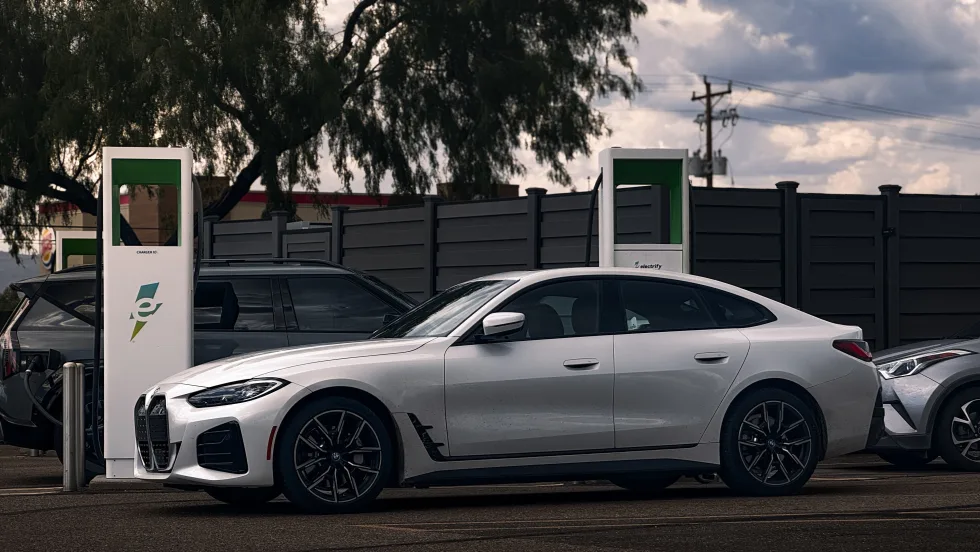
EV Buyer Consideration Shifts
What drives American consumers to purchase an electric vehicle is shifting as the question moves away from Should I?' to 'Which features and experience do I want to have?'
Read More →
Year-to-Date Auto Sales Holding Their Own
A forecast through August shows that automakers have shifted strategies to keep deliveries and revenues up despite tariffs and other economic challenges.
Read More →
Slow to Robo
Ten years of polling consumers shows autonomous vehicles’ profiles have risen considerably, but even more people now want at least some level of control if they go that route.
Read More →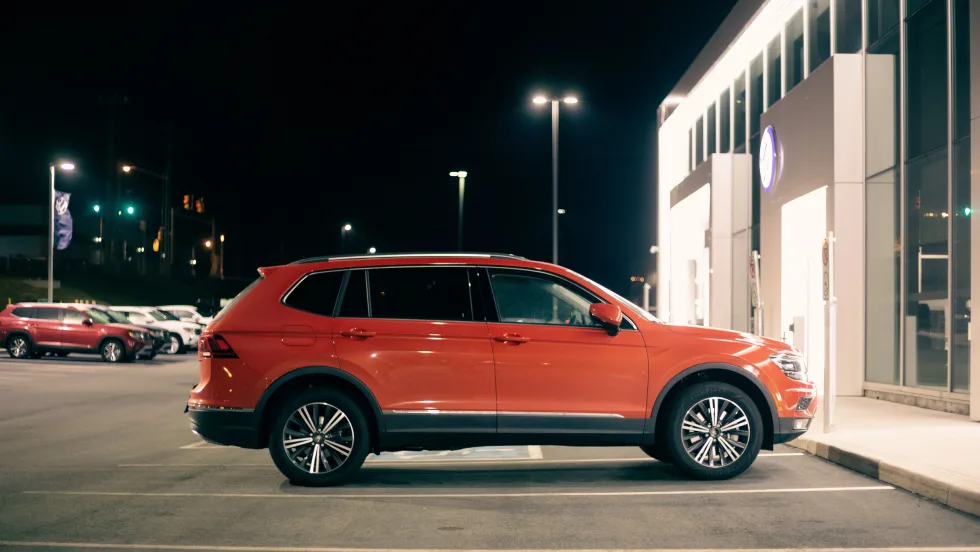
Dealers a Little Down
A third-quarter Cox Automotive survey finds them in a mixed mood, bummed by fallen customer traffic but encouraged by better profits, costs and EV interest.
Read More →
European EV Sales Skyrocket
The EV market on the continent held strong in July with almost 25% of new-car sales being fully electric units, a stark contrast to the U.S., where EV sales declined about 42%.
Read More →
Mitsubishi Unveils U.S. Plan
The automaker announced a strategy that includes an expanded lineup and dealership presence, along with more ‘rugged’ and electric models.
Read More →
Used Lots Getting the Business
Many consumers are seeking out the units to save money, and the demand – higher in July than normal – is keeping supply limited and prices up.
Read More →
Used Market Stabilizes
The Carfax Used Car Index noted a major drop in used-vehicle price increases in July after several months of hikes.
Read More →