



Manheim: Used-Car Reports Signal Stability
Despite declining wholesale values in March, first-quarter pricing for used vehicles showed a year-over-year increase from the first quarter of 2016.
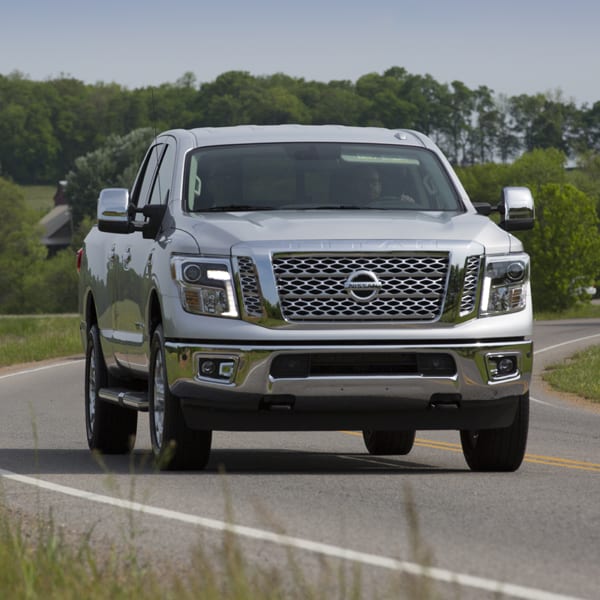
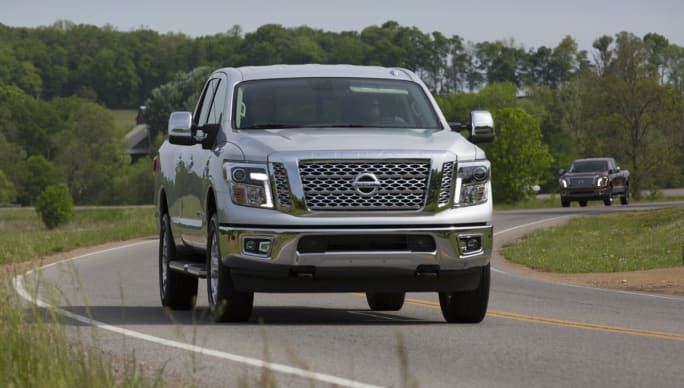
Prices for pre-owned pickups showed a year-over-year increase of 6.7% in the first quarter, leading all segments and helping to stabilize the used-car market. Photo courtesy Nissan USA
ATLANTA — Analysis of first-quarter sales reports signals stability in used-car values heading into the second quarter of 2017, according to Manheim. While wholesale used-vehicle prices declined by 0.5% in March, the Manheim Used Vehicle Value Index — a measure of wholesale prices adjusted for mix, mileage and season — came to a reading of 124.1. This is an increase of 1.3% from a year ago.
“While used-vehicle values have declined in five of the last six months, it has not been the collapse that many analysts have warned [of] for more than a year due to increasing wholesale supplies,” said Tom Webb, chief economist for Cox Automotive. “On the contrary, the used-vehicle market remains healthy while any weakness we’ve witnessed is overall due to an excessive new-vehicle inventory — not used.”
Pointing to the continued stability of the market regarding used-vehicle retail sales, total used retail sales in January and February — including private-party transactions — were up 5%. Growing on this strength, franchised dealer sales were up 6% and independent sales were up 7%, according to the National Automobile Dealers Association (NADA). Additionally, the credit and lending environment remains favorable.
Despite the continued overall stability, the new-vehicle environment continues to pressure used-vehicle values, and franchise dealers started both February and March with more than four million new units in stock. A variety of major incentives were applied to that inventory in February and the industry achieved a seasonally adjusted annual selling rate (SAAR) of 17.5 million. Available incentives were just as large in March, but sales slowed and resulted in a SAAR of 16.5 million — the lowest in just over two years.
For used-vehicle pricing trends, all car segments — except for truck segments — were down from a year ago. First quarter wholesale pricing for all vehicle segments included:
Compact car prices, typically one of the weakest segments, experienced some relative strength in comparison to the other car classes and were down a modest 0.9%.
Midsize cars once again surfaced as one of the weaker segments compared with last year and had a decline of 1.6%.
SUVs and CUVs increased 1.4% from last March and again remain weaker than the overall market.
Pickups had the most significant increase of all car classes with an increase of 6.7% over a year ago, while vans saw a more modest increase of 3.9%.
Luxury cars represented the biggest decrease of all classes, dipping 1.8% over last year.
A straight average of auction pricing for rental risk units in March was up 3.5% from a year ago, reflecting a better mix of market classes and lower mileage. Representing a 10% decrease from this time last year, average mileage came in at 33,600 for rental risk units. SUVs and CUVs accounted for 33% of rental risk sales in March versus only 25% last year. The share accounted for compact cars fell from 29% to 25%.
“Even when compared to last year’s high level, rental risk volumes sold at auction in the first quarter were up considerably,” Webb said. “This year’s off-rental volume was primarily due to fleet rationalization unlike last year’s high number of new units entering the fleet and, as such, off-rental auction volumes may weaken later in the year.”
More Showroom
Dealers a Little Down
A third-quarter Cox Automotive survey finds them in a mixed mood, bummed by fallen customer traffic but encouraged by better profits, costs and EV interest.
Read More →
European EV Sales Skyrocket
The EV market on the continent held strong in July with almost 25% of new-car sales being fully electric units, a stark contrast to the U.S., where EV sales declined about 42%.
Read More →
Mitsubishi Unveils U.S. Plan
The automaker announced a strategy that includes an expanded lineup and dealership presence, along with more ‘rugged’ and electric models.
Read More →
Used Lots Getting the Business
Many consumers are seeking out the units to save money, and the demand – higher in July than normal – is keeping supply limited and prices up.
Read More →
Used Market Stabilizes
The Carfax Used Car Index noted a major drop in used-vehicle price increases in July after several months of hikes.
Read More →
California Hybrids Reach State Record
The Golden State still leads the country in electric-vehicle registrations, but much like the rest of the U.S. its hybrid market share is up while full electrics stabilize after a dramatic first-quarter dip.
Read More →
My Mercedes in the U.S.
The German brand debuted its studio dealership concept for the first time in the states in Los Angeles, tapping Americans’ penchant for creative distinctions.
Read More →
Used Sales Hit Summer Drag
The vacation season, combined with high prices, has dented deliveries and added to inventories, though supply is still slim enough to keep listings elevated.
Read More →
California Launches EV Rebate Program
Participating automakers are matching the state's $13.5 million investment in new electric-vehicle rebates scheduled to take effect later this summer.
Read More →
OEM Poll Sees Industry Evolution
Kerrigan Advisors’ survey of automakers finds that tariffs, technology, network tightening and other factors are poised to reshape auto retail.
Read More →