


Michigan Spending Bill Earmarks Money for Detroit Auto Show
State legislators expect to pass a $795 million spending bill, containing a $9 million onetime grant for the North American International Auto Show (NAIS).


2018 Detroit auto show.
Wikepedia
Michigan lawmakers seek to help resurrect the Detroit auto show after as much as a 44-month hiatus.
The state legislative body is expected to pass a $795 million spending bill, containing a $9 million onetime grant for the North American International Auto Show (NAIAS).
Detroit hasn't hosted an auto show since January 2019. The Detroit Auto Dealers Association (DADA) canceled NAIAS in June 2020 and September 2021 because of the ongoing pandemic.
DADA hopes to hold the auto show at Huntington Place, the new name of Detroit's riverfront convention center (formerly TCF Center and Cobo Center), Sept. 14-25, 2022, (though the dates are not final).
"This [funding] is to help them … get them up and running again," House Appropriations Committee Chairman Thomas Albert, R-Lowell, told Crain's Detroit Business, an affiliate of Automotive News. "It's really important for the state of Michigan."
The auto show attracts international media and auto executives from across the globe and generates an estimated $400 million in economic impact in the state’s hospitality, travel and construction sectors.
DADA Executive Director Rod Alberts said in a statement that DADA is “pleased state leaders have recognized the hardships and difficulties the show has faced over the past couple of years — hardships directly related to COVID.”
"While each previous show has funded, the next show — a nearly 3-year void led us to ask for direct support from the state of Michigan," Alberts said. "The one-time funding will help put the show back on strong financial footing and go toward making a 2022 show the best one yet — showcasing all things Michigan offers on the automotive front."
The lack of an auto show also damaged the financial stability of Detroit’s convention center. The Legislature has appropriated $36 million in state aid over six years to help the Detroit Regional Convention Facility Authority make up the losses sustained during the pandemic.
Originally posted on Auto Dealer Today
More Showroom

October Auto Sales Fall With the Leaves
A forecast anticipates retail deliveries are down this month as consumers continue to face cost challenges, though more are tapping long loans in order to buy.
Read More →
California Sees Quarterly Gains
California’s new-vehicle market saw a boost in hybrids in the third quarter and its first overall quarterly market gain of the year.
Read More →
New-Vehicle Prices Stay Put
Affordability pressures and model availability shaped new-vehicle sales in September, according to an analysis by Kelley Blue Book.
Read More →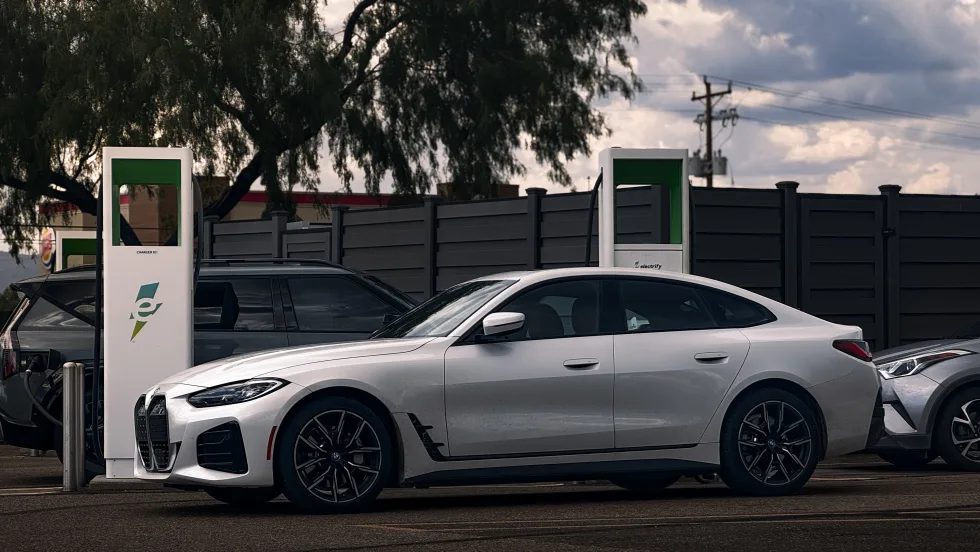
EV Buyer Consideration Shifts
What drives American consumers to purchase an electric vehicle is shifting as the question moves away from Should I?' to 'Which features and experience do I want to have?'
Read More →
Year-to-Date Auto Sales Holding Their Own
A forecast through August shows that automakers have shifted strategies to keep deliveries and revenues up despite tariffs and other economic challenges.
Read More →
Slow to Robo
Ten years of polling consumers shows autonomous vehicles’ profiles have risen considerably, but even more people now want at least some level of control if they go that route.
Read More →
Dealers a Little Down
A third-quarter Cox Automotive survey finds them in a mixed mood, bummed by fallen customer traffic but encouraged by better profits, costs and EV interest.
Read More →
European EV Sales Skyrocket
The EV market on the continent held strong in July with almost 25% of new-car sales being fully electric units, a stark contrast to the U.S., where EV sales declined about 42%.
Read More →
Mitsubishi Unveils U.S. Plan
The automaker announced a strategy that includes an expanded lineup and dealership presence, along with more ‘rugged’ and electric models.
Read More →
Used Lots Getting the Business
Many consumers are seeking out the units to save money, and the demand – higher in July than normal – is keeping supply limited and prices up.
Read More →