



NADA Shares a Positive Outlook for 2021 Automobile Sales
NADA predicts healthy sales volumes coupled with healthy transaction prices and profitability will persist as the industry shows strong resilience amid disruption.


NADA predicts healthy sales volumes coupled with healthy transaction prices and profitability will persist as the industry shows strong resilience amid disruption.
The pandemic pushed down auto sales throughout 2020, but recent National Automobile Dealers Association (NADA) numbers signal a recovery in 2021. In fact, strong March sales led NADA to increase its 2021 forecast.
Despite the challenges posed by production disruption and low inventory, we are very optimistic about new vehicle sales for all of 2021.
“Despite the challenges posed by production disruption and low inventory, we are very optimistic about new vehicle sales for all of 2021. Given the strong performance during the first quarter and our expectations for the rest of the year, we have increased our 2021 sales forecast to 16.3 units,” said Patrick Manzi, NADA Chief Economist, in a blog titled “NADA Market Beat: March New Light-Vehicle Auto Sales Incredibly Strong.”
The organization bases its new forecast on stellar sales in March. NADA reports the Seasonally Adjusted Annual Rate (SAAR) for March at 16.81 million units—the second highest ever for March and just shy of the 17.75 units in March 2020. Year over year, total light vehicle SAAR for March is up 13.7%.
NADA attributes the spike in March 2021 sales to severe winter weather delaying sales in February and a nudge from COVID-19 stimulus checks arriving in consumers’ bank accounts.
First quarter sales overall also support recovery predictions. Q1 sales equated to a SAAR of 16.8 units, up from 14.8 units in Q1 2020—the first quarter affected by the pandemic. In fact, Q1 sales for 2021 are on par with Q1 2019, which had a SAAR of 16.9 units.
Lower Fleet Sales
All is not glowing in the NADA March report, however. Fleet sales remain down.
Disruptions in vehicle production from a semiconductor microchip shortage, reduced resin supply for auto parts manufacturing, and severe winter weather are to blame. Manufacturers address this disruption by prioritizing production of the most popular—and profitable—segments for retail customers and pushing back and cancelling fleet orders for the 2021 model year.
NADA predicts the microchip shortage will impact production through the second quarter. All in, manufacturers will produce 300,000 fewer units than forecasted for 2021.
Rising Transaction Prices
Robust demand allows manufacturers to dial back incentive spending. J.D. Power reports average incentive spending per unit will hit $3,587, $888 lower than March 2020 and $262 lower than March 2019.
Consumers purchased more light trucks than any other vehicle in March 2021. Light trucks represented 77.7% of all new vehicle sales in March 2021, a figure that’s up 74% over March 2020.
The transaction prices for those trucks are also higher. NADA attributes the shift to user preferences for higher-trimmed light truck models and lower discounting. J.D. Power predicts average transaction prices rose 7.5% to $37,286—the highest ever in March and just shy of the December 2020 record.
An array of factors contributes to higher prices including: Strong consumer demand, tight new- and used-vehicle supply, disciplined incentives and dealer discounting, low interest rates, high used vehicle values, higher trade-in values, and a continued shift toward more expensive trucks and SUVs.
Further, J.D. Power finds higher trade-in values and ultra-low interest rates increased average monthly finance payments just $5 to $595 in March.
A glimmer of hope shines on the retail sales outlook for 2021. NADA predicts healthy sales volumes coupled with healthy transaction prices and profitability will persist as the industry shows strong resilience amid disruption.
Originally posted on Auto Dealer Today
More Showroom

California Sees Quarterly Gains
California’s new-vehicle market saw a boost in hybrids in the third quarter and its first overall quarterly market gain of the year.
Read More →
New-Vehicle Prices Stay Put
Affordability pressures and model availability shaped new-vehicle sales in September, according to an analysis by Kelley Blue Book.
Read More →
EV Buyer Consideration Shifts
What drives American consumers to purchase an electric vehicle is shifting as the question moves away from Should I?' to 'Which features and experience do I want to have?'
Read More →
Year-to-Date Auto Sales Holding Their Own
A forecast through August shows that automakers have shifted strategies to keep deliveries and revenues up despite tariffs and other economic challenges.
Read More →
Slow to Robo
Ten years of polling consumers shows autonomous vehicles’ profiles have risen considerably, but even more people now want at least some level of control if they go that route.
Read More →
Dealers a Little Down
A third-quarter Cox Automotive survey finds them in a mixed mood, bummed by fallen customer traffic but encouraged by better profits, costs and EV interest.
Read More →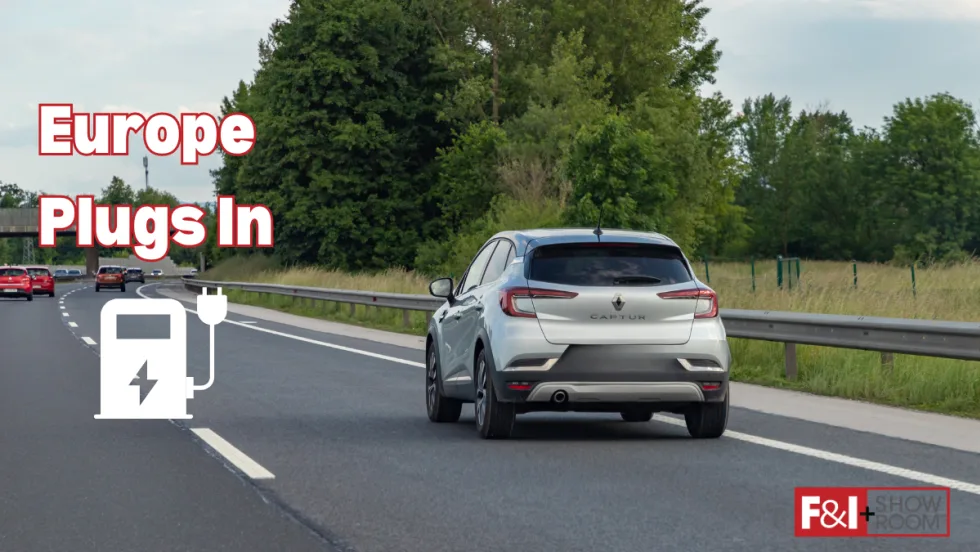
European EV Sales Skyrocket
The EV market on the continent held strong in July with almost 25% of new-car sales being fully electric units, a stark contrast to the U.S., where EV sales declined about 42%.
Read More →
Mitsubishi Unveils U.S. Plan
The automaker announced a strategy that includes an expanded lineup and dealership presence, along with more ‘rugged’ and electric models.
Read More →
Used Lots Getting the Business
Many consumers are seeking out the units to save money, and the demand – higher in July than normal – is keeping supply limited and prices up.
Read More →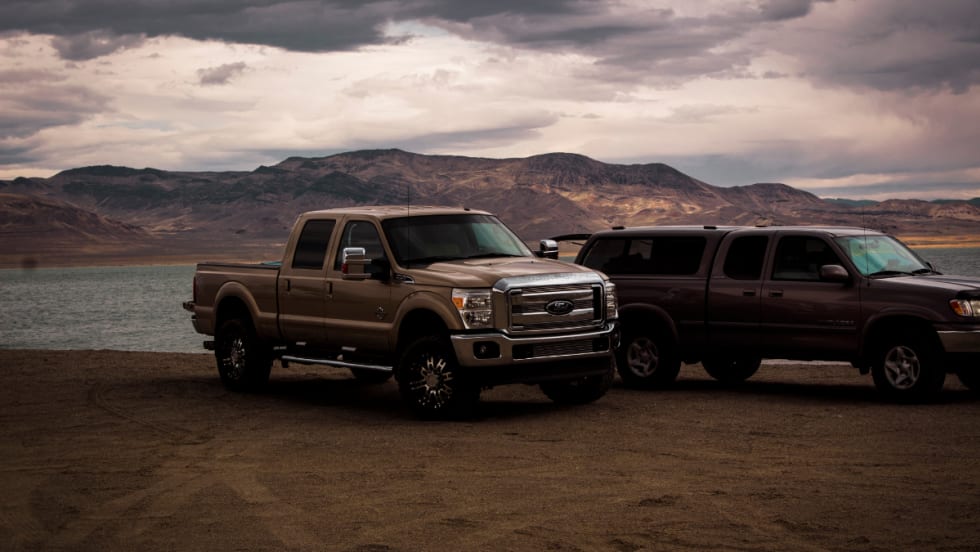
Used Market Stabilizes
The Carfax Used Car Index noted a major drop in used-vehicle price increases in July after several months of hikes.
Read More →