



Nanny State: New Safety Tech Annoys Drivers
A new J.D. Power survey finds car buyer demand for semiautonomous safety technology is threatened by overbearing alerts that are causing many to disable their systems, increasing the risk of a collision.

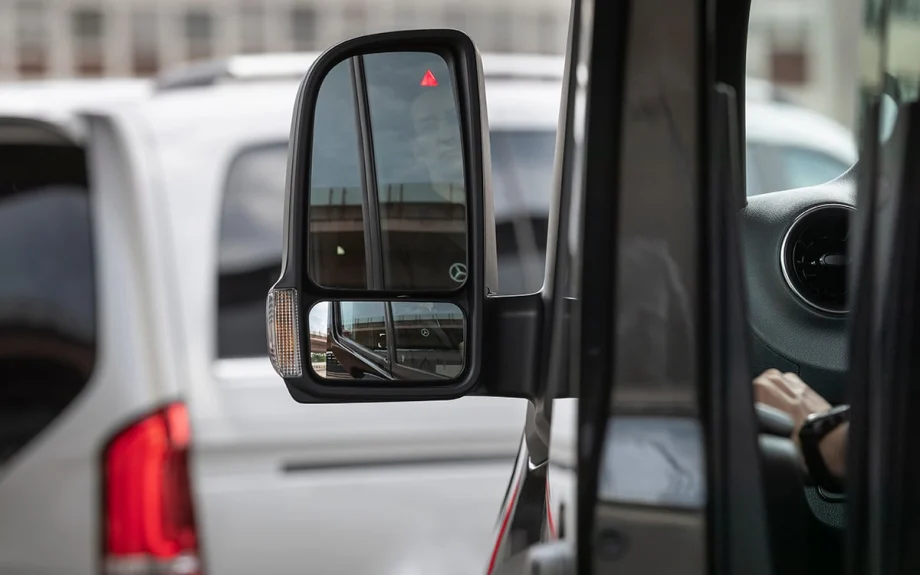
J.D. Power analysts found 61% of drivers sometimes disable their vehicles’ lane-keeping and centering systems.
Photo courtesy Mercedes-Benz USA
COSTA MESA, Calif. — Some alerts on advanced driver assistance systems (ADAS) are so annoying or bothersome that many drivers disable the systems and may try to avoid them on future vehicle purchases, according to the J.D. Power 2019 U.S. Tech Experience Index Study.
This is a major concern for automakers keen to market these lucrative technologies and pave the way for more highly automated vehicles in the future, said Kristin Kolodge, the firm’s executive director of driver interaction and human machine interface research.
“Automakers are spending lots of money on advanced technology development, but the constant alerts can confuse and frustrate drivers,” Kolodge said. “The technology can’t come across as a nagging parent; no one wants to be constantly told they aren’t driving correctly.”
One example is lane-keeping and centering systems. On average, 23% of customers with these systems complain that the alerts are annoying or bothersome. This ranges from just 8% for one domestic brand to more than 30% for two import brands.
For these owners, 61% sometimes disable the system, compared with just 21% of those that don’t consider the alerts annoying or bothersome. Owners wanting the feature on their next vehicle ranges from 63% for those that consider the alerts annoying or bothersome to 91% for those who do not.
“Some brands are succeeding at making their safety technology effective without being overbearing. Some are good at one aspect but weaker at another, and some are struggling with both,” Kolodge said. “This is why one brand has 90% of its customers wanting lane-keeping/centering on their next vehicle, while another brand has just 59% of its customers saying the same thing.”
The study, now in its fourth year, measures owners’ experiences, usage and interaction with 38 driver-centric vehicle technologies at 90 days of ownership. Overall satisfaction with new-vehicle technology ranges widely. The best-performing vehicle in the study is the Kia Stinger, scoring 834 (on a 1,000-point scale). The overall average is 781, with the lowest-scoring model achieving just 709.
Collision protection has the highest score (813) among the six categories measured in the study. Smartphone mirroring (789) is second, followed by comfort and convenience (787), entertainment and connectivity (782), driving assistance (768), and navigation (744).
Originally posted on Auto Dealer Today
More Showroom

California Sees Quarterly Gains
California’s new-vehicle market saw a boost in hybrids in the third quarter and its first overall quarterly market gain of the year.
Read More →
New-Vehicle Prices Stay Put
Affordability pressures and model availability shaped new-vehicle sales in September, according to an analysis by Kelley Blue Book.
Read More →
EV Buyer Consideration Shifts
What drives American consumers to purchase an electric vehicle is shifting as the question moves away from Should I?' to 'Which features and experience do I want to have?'
Read More →
Year-to-Date Auto Sales Holding Their Own
A forecast through August shows that automakers have shifted strategies to keep deliveries and revenues up despite tariffs and other economic challenges.
Read More →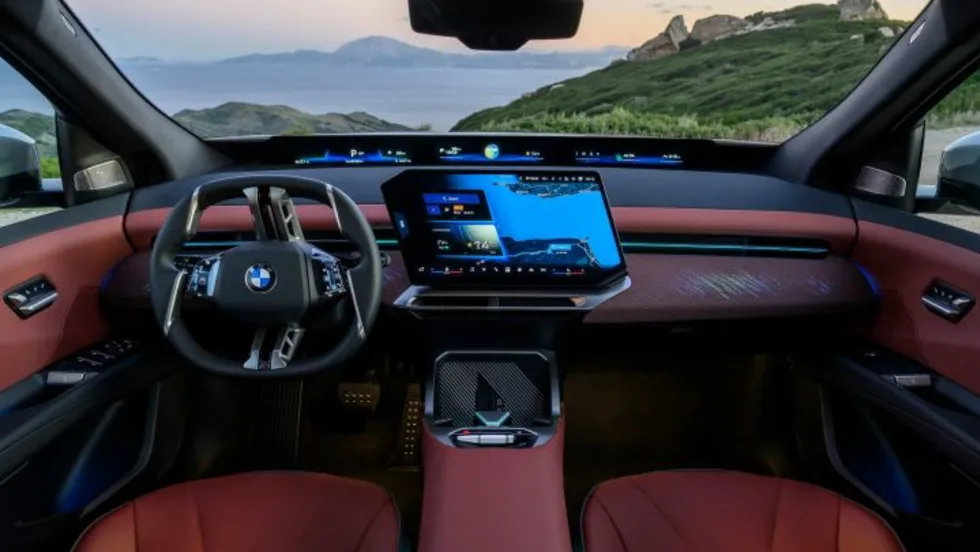
Slow to Robo
Ten years of polling consumers shows autonomous vehicles’ profiles have risen considerably, but even more people now want at least some level of control if they go that route.
Read More →
Dealers a Little Down
A third-quarter Cox Automotive survey finds them in a mixed mood, bummed by fallen customer traffic but encouraged by better profits, costs and EV interest.
Read More →
European EV Sales Skyrocket
The EV market on the continent held strong in July with almost 25% of new-car sales being fully electric units, a stark contrast to the U.S., where EV sales declined about 42%.
Read More →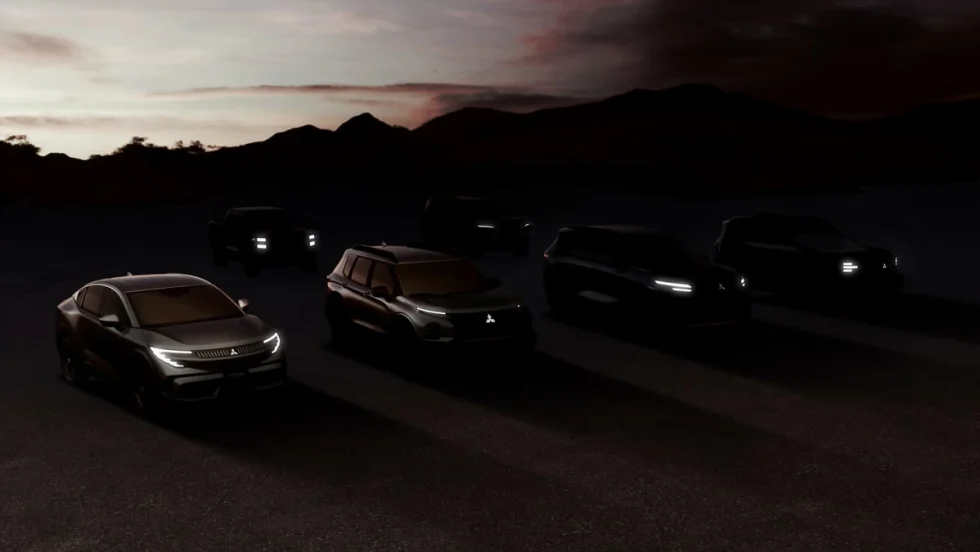
Mitsubishi Unveils U.S. Plan
The automaker announced a strategy that includes an expanded lineup and dealership presence, along with more ‘rugged’ and electric models.
Read More →
Used Lots Getting the Business
Many consumers are seeking out the units to save money, and the demand – higher in July than normal – is keeping supply limited and prices up.
Read More →
Used Market Stabilizes
The Carfax Used Car Index noted a major drop in used-vehicle price increases in July after several months of hikes.
Read More →