



New-Vehicle Ownership Costs Keep Going Up
AAA analysis shows big increase over last year, blames inflation, interest rates.

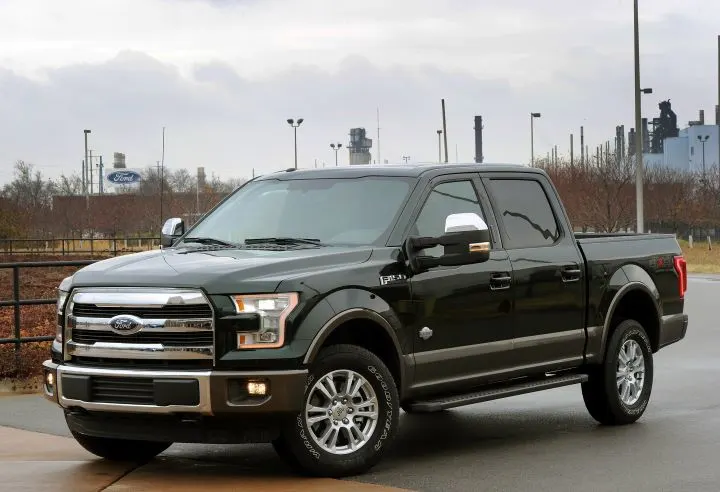
Half-ton pickups like the Ford F-150 have the highest average cost and have experienced a drop in demand as the costs of owning them now rival that of 'many luxury cars.'
IMAGE: Ford
The annual cost of owning a new vehicle has ballooned due to still-inflated prices and elevated interest rates, a new AAA study shows.
The motor clubs federation, known for its auto insurance and roadside assistance, says the annual average cost of owning and operating a new vehicle this year is $12,182, or $1,015 a month, up about 14% over last year’s figures.
It points to the growing average manufacturer’s suggested retail price, which it said is now $34,876, up about 5% over last year, combined with the average annual finance charge that MSRP impacts: $1,253, up a whopping 90% year-over-year.
Though the effects of the pandemic on the inflated costs have diminished this year due to improving inventories, “the spillover effects are keeping prices high,” says AAA Director of Automotive Research Greg Brannon.
AAA emphasizes that the price consumers pay for vehicles doesn’t always reflect MSRP, depending on demand.
The nonprofit organization said ownership cost is also probably impacted by:
Depreciation, which it projects to be up 24% year-over-year to an average of $4,538 per year.
The increase in new-vehicle prices relative to used-vehicle values, which it says have fallen in the past year.
Automakers’ focus on producing more high-end, and therefore more expensive, models.
Fuel, at least for gas-powered vehicles, was the one variable in the annual cost mix that fell, by an average cost per mile of about two cents. But electric-vehicle charging rose by nearly two cents per kilowatt-hour, it says likely due to inflation.
AAA pointed out that half-ton pickups, with the highest average cost, have experienced a decrease in demand as the costs of owning them now rival that of “many luxury cars.”
Originally posted on Auto Dealer Today
More Showroom
New-Vehicle Prices Stay Put
Affordability pressures and model availability shaped new-vehicle sales in September, according to an analysis by Kelley Blue Book.
Read More →
EV Buyer Consideration Shifts
What drives American consumers to purchase an electric vehicle is shifting as the question moves away from Should I?' to 'Which features and experience do I want to have?'
Read More →
Year-to-Date Auto Sales Holding Their Own
A forecast through August shows that automakers have shifted strategies to keep deliveries and revenues up despite tariffs and other economic challenges.
Read More →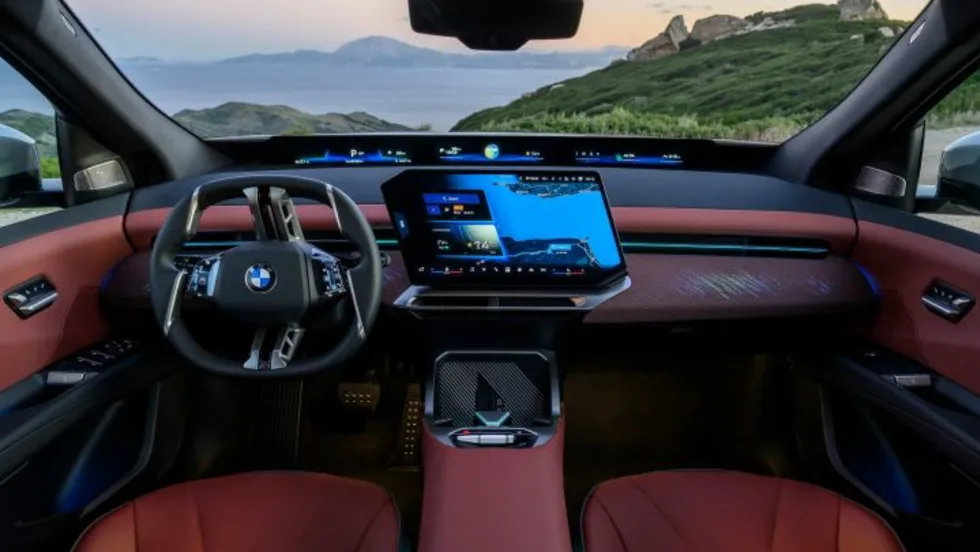
Slow to Robo
Ten years of polling consumers shows autonomous vehicles’ profiles have risen considerably, but even more people now want at least some level of control if they go that route.
Read More →
Dealers a Little Down
A third-quarter Cox Automotive survey finds them in a mixed mood, bummed by fallen customer traffic but encouraged by better profits, costs and EV interest.
Read More →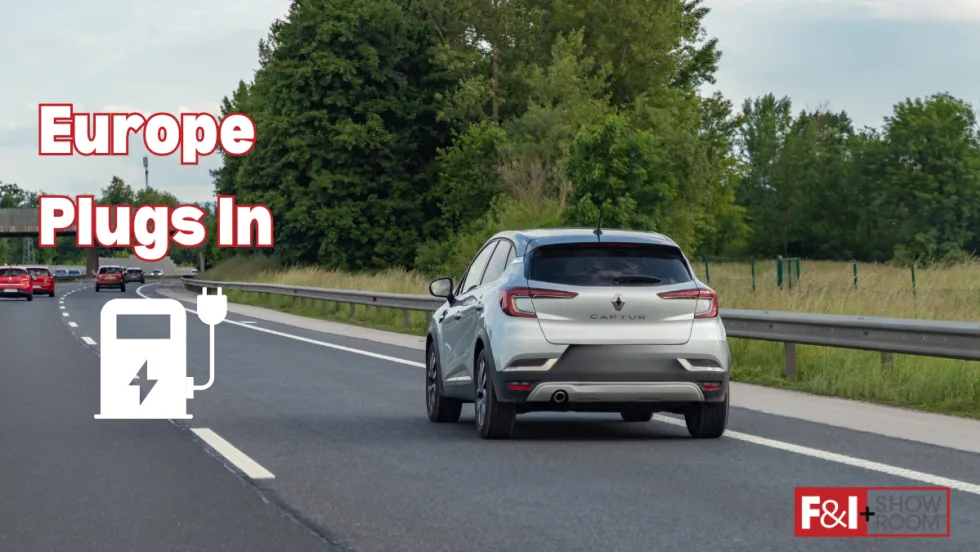
European EV Sales Skyrocket
The EV market on the continent held strong in July with almost 25% of new-car sales being fully electric units, a stark contrast to the U.S., where EV sales declined about 42%.
Read More →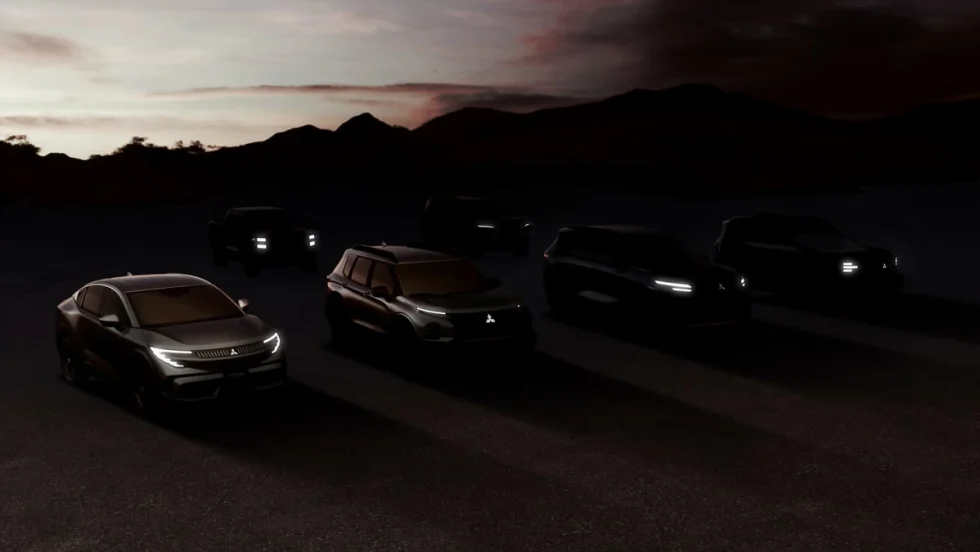
Mitsubishi Unveils U.S. Plan
The automaker announced a strategy that includes an expanded lineup and dealership presence, along with more ‘rugged’ and electric models.
Read More →
Used Lots Getting the Business
Many consumers are seeking out the units to save money, and the demand – higher in July than normal – is keeping supply limited and prices up.
Read More →
Used Market Stabilizes
The Carfax Used Car Index noted a major drop in used-vehicle price increases in July after several months of hikes.
Read More →
California Hybrids Reach State Record
The Golden State still leads the country in electric-vehicle registrations, but much like the rest of the U.S. its hybrid market share is up while full electrics stabilize after a dramatic first-quarter dip.
Read More →