



New Vehicle Sales Expected to Drop in June, Closing a Second Down Quarter in 2020, Edmunds Forecasts
Analysts forecast a healthier-than-expected SAAR of 12.8 million in June as the country expands reopening and more consumers resume car purchases, but warn that new market factors could create trouble ahead.

Analysts forecast a healthier-than-expected SAAR of 12.8 million in June as the country expands reopening and more consumers resume car purchases, but warn that new market factors could create trouble ahead.
Image by WorldInMyEyes from Pixabay
SANTA MONICA, Calif. — The car shopping experts at Edmunds say that June will be another down month for auto sales as the industry continues to combat market challenges posed by the coronavirus (COVID-19) pandemic, forecasting that 1,080,656 new cars and trucks will be sold in the U.S. in June for an estimated seasonally adjusted annual rate (SAAR) of 12.8 million. This reflects a 28.7% decrease in sales from June 2019 and a 3.6% decrease from May 2020.
Edmunds experts note that sales are also down for the second quarter in a row this year, forecasting sales of 2,914,860 new cars and trucks in the second quarter, which reflects a 34.3% decrease from the second quarter of 2019.
“It comes as no surprise that the second quarter was a disappointing one for the automotive industry, but the good news is that auto sales didn’t come to a complete standstill either,” said Jessica Caldwell, Edmunds’ executive director of insights. “The fact that retail sales — not fleet — are what kept the market propped up speaks volumes to the resilience of the American consumer. And the way that dealers were quick to pivot to online sales also underscores the incredibly responsive and resourceful nature of the industry in the face of adversity.”
Although Edmunds data shows a steady growth in sales since the end of March, analysts caution that some of the strains of the pandemic are starting to show as more shoppers return to the market.
“The marketplace is growing less inviting as automakers pull back on incentives and inventory dwindles due to factory shutdowns, particularly when it comes to trucks, which have been the one bright spot for sales during the pandemic,” said Caldwell. “Current sales paint an optimistic picture given the circumstances, but between COVID-19 and today’s politically charged climate, the industry needs to prepare for uncertainties ahead.”
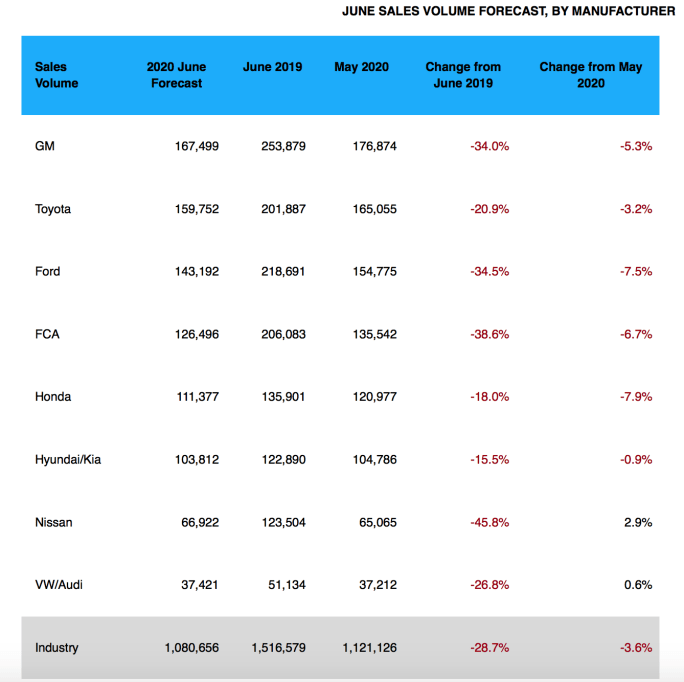
*NOTE: June 2020 had 25 selling days, June 2019 had 26 and May 2020 had 26.
Edmunds estimates that retail SAAR will come in at 11.1 million vehicles in June 2020, with fleet transactions accounting for 13.0% of total sales.
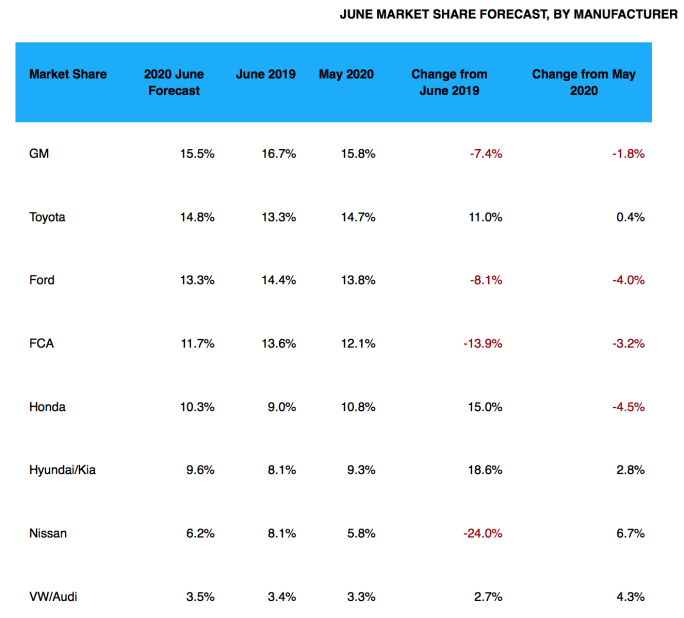
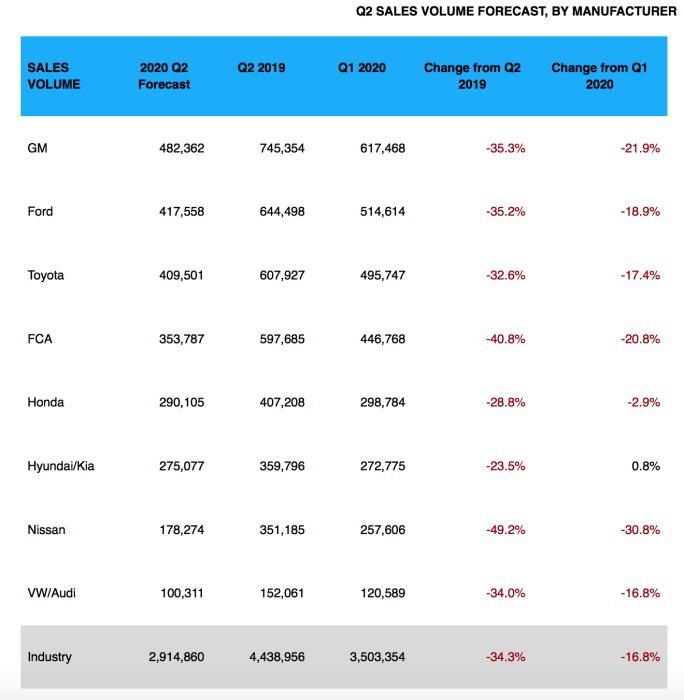
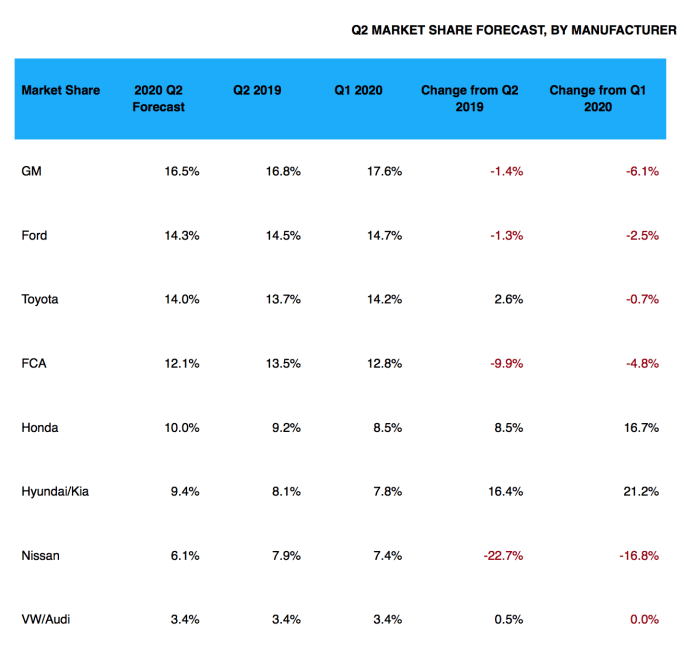
More insight into recent auto industry trends can be found in the Edmunds Industry Center at http://www.edmunds.com/industry-center/.
Read: DealerDOCX Joins Dealertrack DMS' Opentrack Third-Party Partner Program
More Showroom

California Sees Quarterly Gains
California’s new-vehicle market saw a boost in hybrids in the third quarter and its first overall quarterly market gain of the year.
Read More →
New-Vehicle Prices Stay Put
Affordability pressures and model availability shaped new-vehicle sales in September, according to an analysis by Kelley Blue Book.
Read More →
EV Buyer Consideration Shifts
What drives American consumers to purchase an electric vehicle is shifting as the question moves away from Should I?' to 'Which features and experience do I want to have?'
Read More →
Year-to-Date Auto Sales Holding Their Own
A forecast through August shows that automakers have shifted strategies to keep deliveries and revenues up despite tariffs and other economic challenges.
Read More →
Slow to Robo
Ten years of polling consumers shows autonomous vehicles’ profiles have risen considerably, but even more people now want at least some level of control if they go that route.
Read More →
Dealers a Little Down
A third-quarter Cox Automotive survey finds them in a mixed mood, bummed by fallen customer traffic but encouraged by better profits, costs and EV interest.
Read More →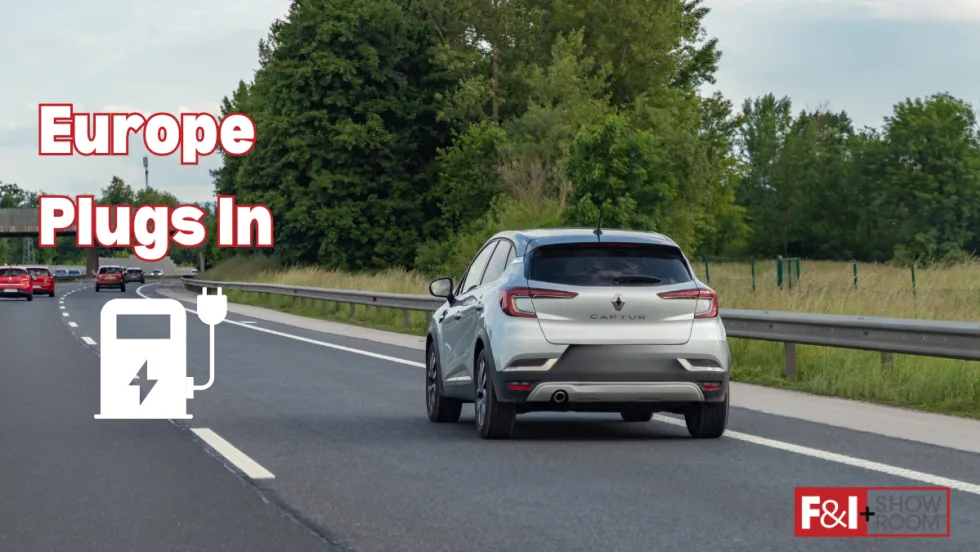
European EV Sales Skyrocket
The EV market on the continent held strong in July with almost 25% of new-car sales being fully electric units, a stark contrast to the U.S., where EV sales declined about 42%.
Read More →
Mitsubishi Unveils U.S. Plan
The automaker announced a strategy that includes an expanded lineup and dealership presence, along with more ‘rugged’ and electric models.
Read More →
Used Lots Getting the Business
Many consumers are seeking out the units to save money, and the demand – higher in July than normal – is keeping supply limited and prices up.
Read More →
Used Market Stabilizes
The Carfax Used Car Index noted a major drop in used-vehicle price increases in July after several months of hikes.
Read More →