



Partial Automation Doesn’t Add to Safety
Research shows systems don’t prevent crashes and could even cause them.


The systems use cameras and sensors to propel a vehicle on the road and avoid other vehicles, but IIHS said they can’t handle many of the everyday traffic scenarios that people can.
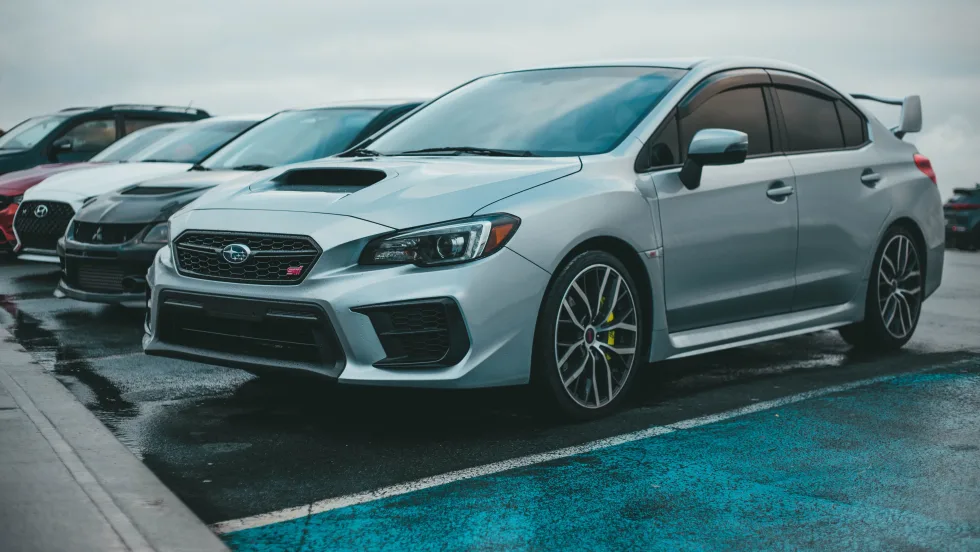
Pexels/Erik McIean
New research has found that partially automated vehicle systems do little if anything to prevent crashes.
The Insurance Institute for Highway Safety said a combination of crash data, insurance records, and its own studies of vehicles led it to conclude that the systems essentially amount to convenience features rather than safety ones.
The systems use cameras and sensors to propel a vehicle on the road and avoid other vehicles, but IIHS said they can’t handle many of the everyday traffic scenarios that people can, so drivers have to closely monitor progress in order to take over if needed. Yet the systems can lull drivers into a false sense of security, potentially reducing their attention on what’s taking place.
Following up on research it conducted in 2021, IIHS examined BMW and Nissan vehicles with the systems in a new study, finding that they don’t provide added safety on the road. Vehicles studied were 5 to 11 years old, and IIHS said it’s possible newer systems could be more effective, but it theorized that data already amassed for such technology already gives an accurate picture of its safety capabilities.
“At a minimum, safeguards like those IIHS promotes through its rating program are essential to reduce the risks that drivers will zone out or engage in other distracting activities while partial automation is switched on,” said IIHS Senior Vice President for Research Jessica Cicchino.
Over half of new vehicle models on the market last year came with partial automation as either standard or optional, the nonprofit group said. That’s despite the crashes that have happened while the systems were in use.
It distinguishes the partially automated features, which must be turned on and are typically used only on highways, from purely crash-avoidance features like automated emergency braking and lane-departure warnings, which activate only when danger arises.
Originally posted on Auto Dealer Today
More Industry
New-Vehicle Prices Stay Put
Affordability pressures and model availability shaped new-vehicle sales in September, according to an analysis by Kelley Blue Book.
Read More →
EV Buyer Consideration Shifts
What drives American consumers to purchase an electric vehicle is shifting as the question moves away from Should I?' to 'Which features and experience do I want to have?'
Read More →
Auto Nameplate Loyalty Holds in Tough Times
Consumers have been faithful to brands despite financial pressures, and JD Power says that’s because automakers have made some wise moves.
Read More →
Top New Jersey RV Store Sells
Myer’s RV Superstore is expanding its footprint in the state with two new locations that it acquired from Ed Hutchinson Jr.
Read More →
Alliance Analyzes Technician Pipeline
A new industry report examines the state of skilled trades in the U.S. and details the drivers of demand for automotive repair and how technicians enter and grow in the workforce.
Read More →
Luxury Rooftop Changes Hands
Genesis of Glenview is getting a new owner and a new location, but its name will stay the same.
Read More →
Future-Proof Your Business
A new industry outlook details several ways that automotive companies can use the rise in artificial intelligence and advanced technologies to their advantage.
Read More →
Dealership Buy-Sells Keep Going Up
First-half transactions reflect continued high appetite for acquisitions despite falling profits, the most sought-after franchises bringing record prices.
Read More →
California Makes Electric Moves
New laws in the Golden State aim to advance consumer access to public electric-vehicle chargers and reduce costs and barriers to its infrastructure.
Read More →
Rare Earths Independence
Automakers seek alternatives to sourcing battery raw materials in volatile markets roiled by trade wars and disrupted supply chains.
Read More →