



PayNearMe Launches Mobile-First Payment System
Auto dealers and auto finance sources have new options for customers wishing to pay by cash, debit, credit, or ACH with the launch of PayNearMe’s expanded system.
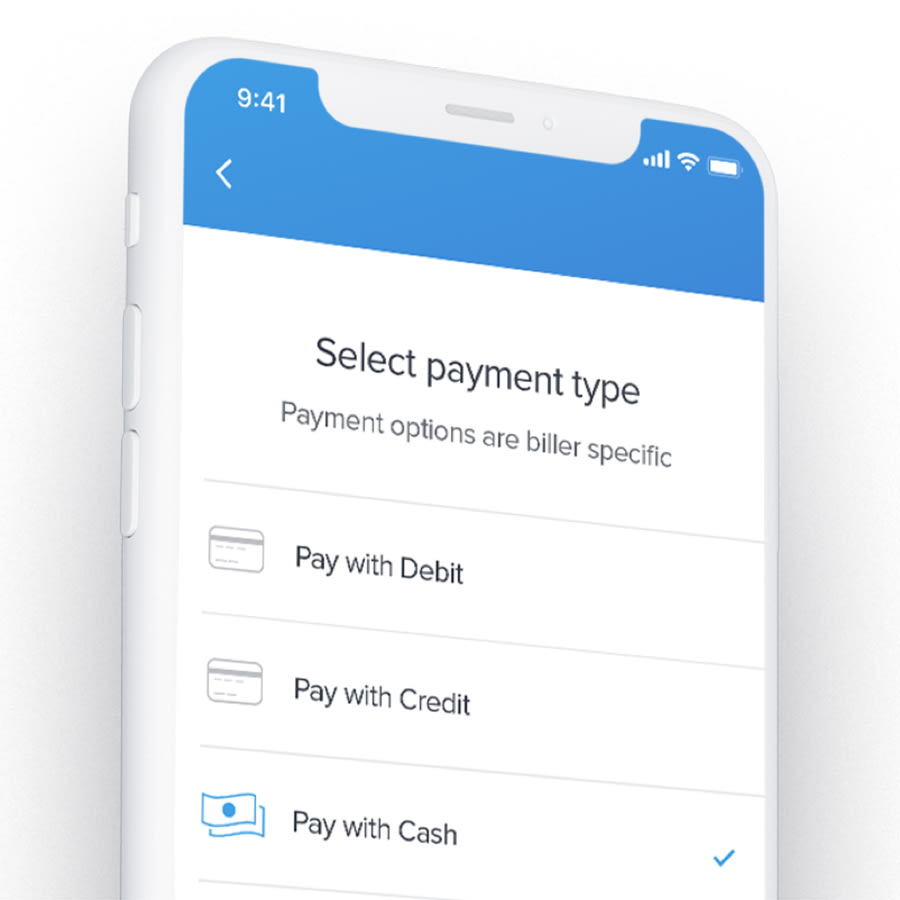
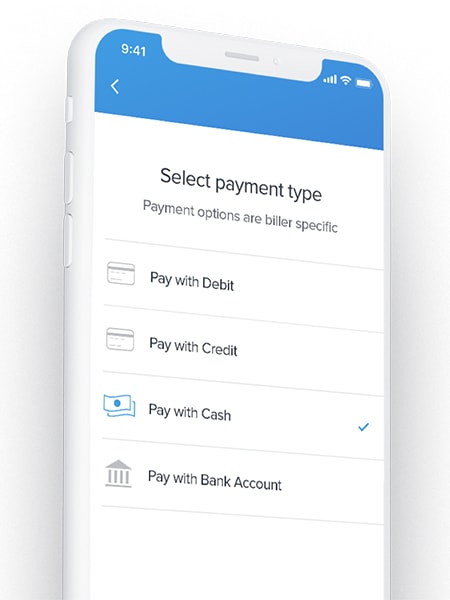
SUNNYVALE, Calif. — Payment services provider PayNearMe has launched an expanded system designed to accept cash, debit, credit and ACH payments. The update also brings new features such as payment reminders and mobile wallet integration.
The PayNearMe system was initially designed to accept cash from underserved consumers for online goods and services at more than 27,000 retail locations nationwide. PayNearMe was designed to greatly reduce the expense and operational challenges of accepting cash while providing consumers a fast, easy way to make payments.
With the launch of new payment capabilities, merchants can now securely accept and manage all types of payments, driving more on-time payments, and the mobile-first design offers a simple and intuitive user experience that makes paying faster and more convenient, according to the company.
“PayNearMe has consistently delivered innovative yet simple payment solutions to address lenders’ most pressing needs,” said Danny Shader, CEO of Handle Financial and founder of PayNearMe. “Today, we are introducing the industry’s first complete payment platform, putting cash, debit, credit, and ACH all together in one single trusted platform, along with payment reminders and mobile wallet integration. It has never been easier for lenders to process all of their payments while delivering an outstanding mobile-first experience to their customers.”
More F&I

How AI-Powered Coaching Is Transforming F&I Performance
See how AI-powered coaching can turn F&I customer conversations into actionable insights that support compliance, performance and profitability
Read More →
Sell Value, Build Trust
In this video, Trent White explains why selling on value, not fear, builds lasting customer trust, reduces cancellations, and drives long-term success.
Read More →
F&I Sales Give Dealers First-Half Lift
Product business shored up total profits to avoid an overall revenue tanking as product penetrations held steady, StoneEagle reported.
Read More →
Targeted Training Drives Results
Today’s technology, instead of threatening F&I managers, can actually make them better, according to an industry veteran who’s watched market setbacks roil the unprepared.
Read More →
Double the Change, Double the Chance
When an F&I manager gets a customer refusal, it’s a wise move to tweak more than one thing in the product offering.
Read More →
Just Do It
F&I managers need training, but instead of resisting application or expecting perfection, they should improve by simply acting on what they learn.
Read More →
Dealer Lender Preferences Revealed
When lenders provide consistent, fast service, their overall satisfaction scores with dealers greatly improve, according to JD Power research.
Read More →
Leading with Purpose
In this video, Trent White explains how understanding your people’s 'why' is a key leadership responsibility of F&I professionals and how that mindset drives dealership engagement, trust and performance.
Read More →
Integrating Nontraditional F&I Products
The niche presents a strategic advantage for auto dealerships as they move to adapt to fast-changing consumer expectations in today’s market.
Read More →
Trust Is Personal
Technology, no matter how efficient, can’t replace what the human F&I manager can do, which is to bridge the divide between cyberspace and the in-store experience.
Read More →