



Peak SUV: Red-Hot Segment Poised for Slowdown
A new report from Edmunds says bloated inventories and escalating incentives could signal a market correction for booming SUV sales.
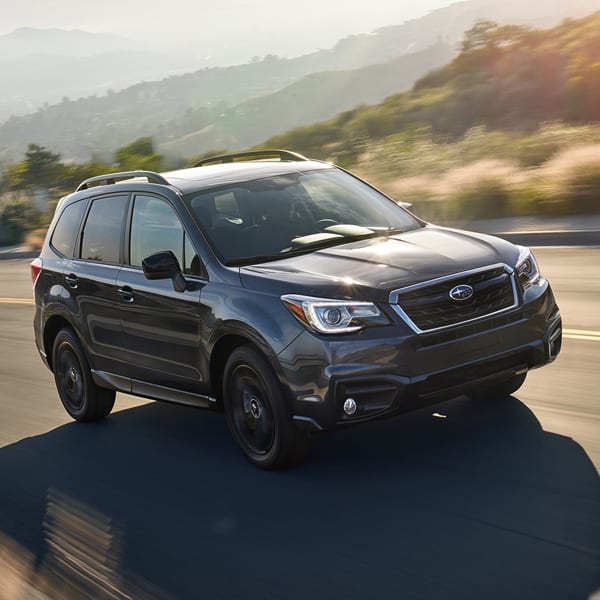
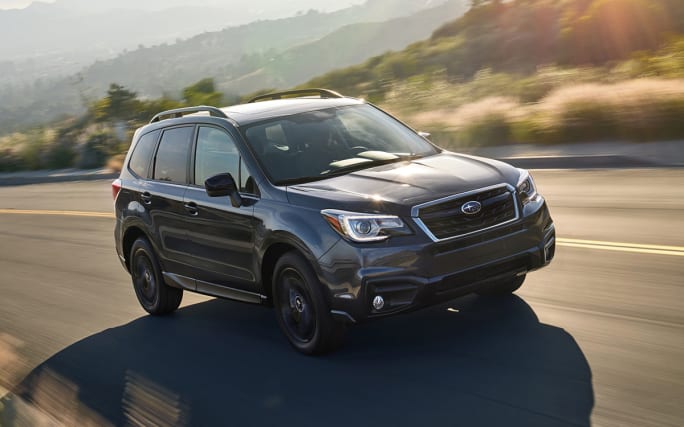
SUVs such as the Subaru Forester have enjoyed five consecutive years of market-share gains, but Edmunds analysts fear demand for the segment may have reached its peak. Photo courtesy Subaru of America Inc.
SANTA MONICA, Calif. — After five straight years of market-share gains, the SUV segment may be poised for a slowdown, according to a new analysis from Edmunds.
While incentive spending overall is up 23% so far in 2017 compared to 2016, incentives on SUVs are up as much as 47%. And despite these attractive offers and relatively strong demand, SUVs are now starting to linger longer in the showroom. Between January and May of 2017, an SUV sat for an average of 61 days on the dealer lot before it was sold, compared to 56 days for the same time period in 2016.
“For the last few years, SUVs almost seemed to sell themselves. But as the market starts to level off, automakers are having to work a little harder and make the deals a little bit sweeter to hit their sales targets,” said Jessica Caldwell, Edmunds’ executive director of industry analysis. “The silver lining is that SUV demand isn’t completely hitting the wall, but even this hot segment isn’t immune to the dip the entire market is experiencing this year.”
Even though the auto sales are softening, Edmunds expects that strong economic conditions and enticing deals will be enough to rally sales in the back half of the year. The firm's analysts maintain their sales forecast of 17.2 million vehicles for 2017, representing a 2% decline from 2016’s record high and the fourth-best auto sales year in U.S. history.
Edmunds forecasts that 1,479,042 new cars and trucks will be sold in the U.S. in June for an estimated seasonally adjusted annual rate (SAAR) of 16.6 million. This reflects a 2.3% decrease in sales from May 2017 and a 2.3% decrease from June 2016.
“While six straight months of sales declines sounds troubling, June is sandwiched between two major holiday sales events, which makes it a bit of a gloomy month historically,” Caldwell said. “Car shoppers are savvy enough to know automakers push the deals on holiday weekends and are willing to hold off on buying until they know they’re getting a hot bargain.”
More Showroom
Mitsubishi Unveils U.S. Plan
The automaker announced a strategy that includes an expanded lineup and dealership presence, along with more ‘rugged’ and electric models.
Read More →
Used Lots Getting the Business
Many consumers are seeking out the units to save money, and the demand – higher in July than normal – is keeping supply limited and prices up.
Read More →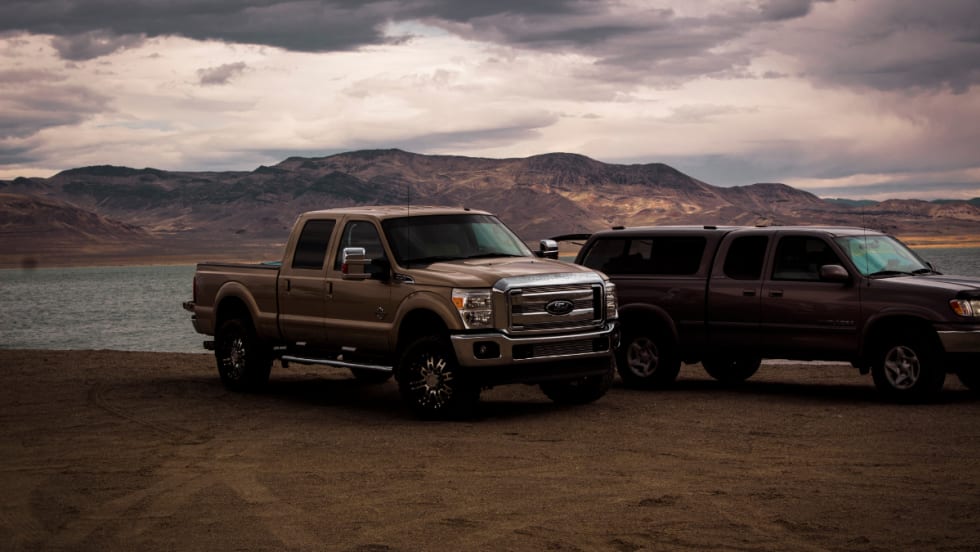
Used Market Stabilizes
The Carfax Used Car Index noted a major drop in used-vehicle price increases in July after several months of hikes.
Read More →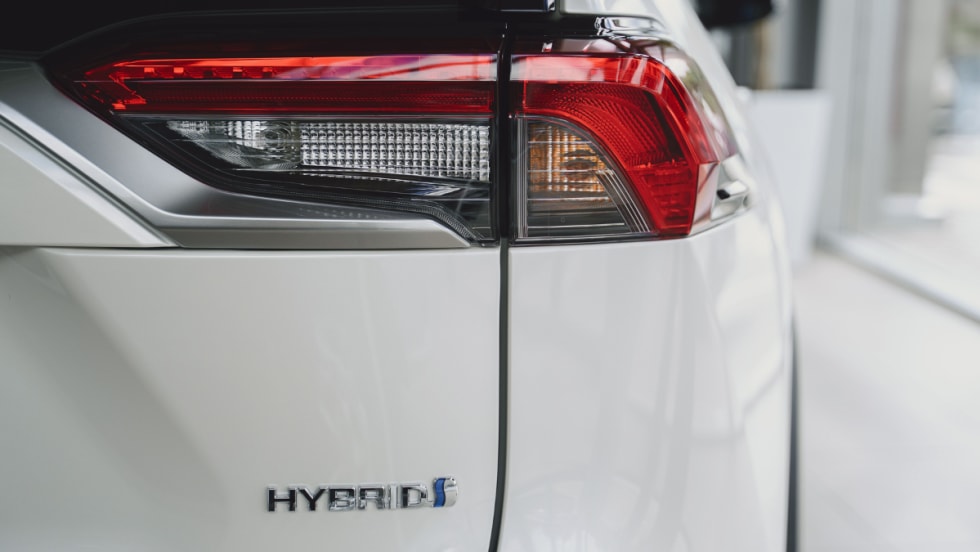
California Hybrids Reach State Record
The Golden State still leads the country in electric-vehicle registrations, but much like the rest of the U.S. its hybrid market share is up while full electrics stabilize after a dramatic first-quarter dip.
Read More →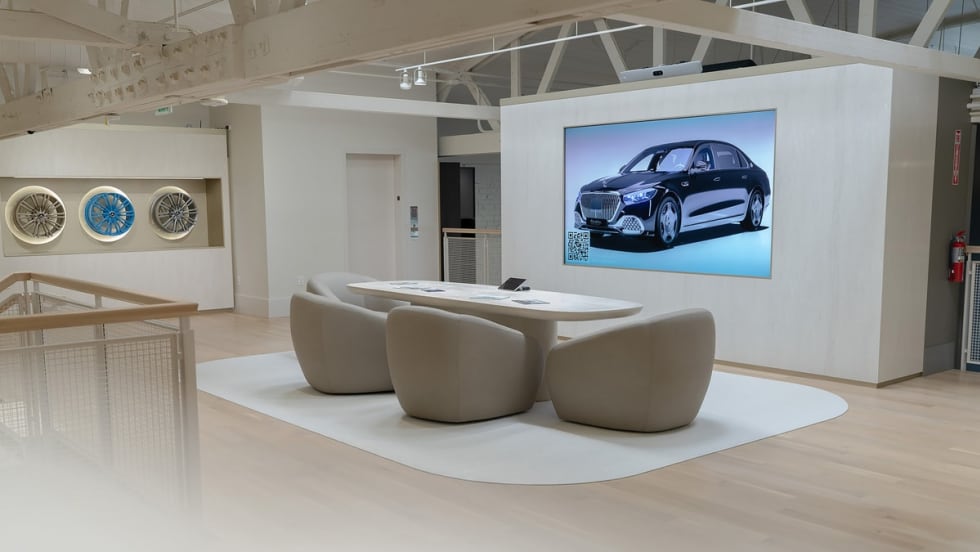
My Mercedes in the U.S.
The German brand debuted its studio dealership concept for the first time in the states in Los Angeles, tapping Americans’ penchant for creative distinctions.
Read More →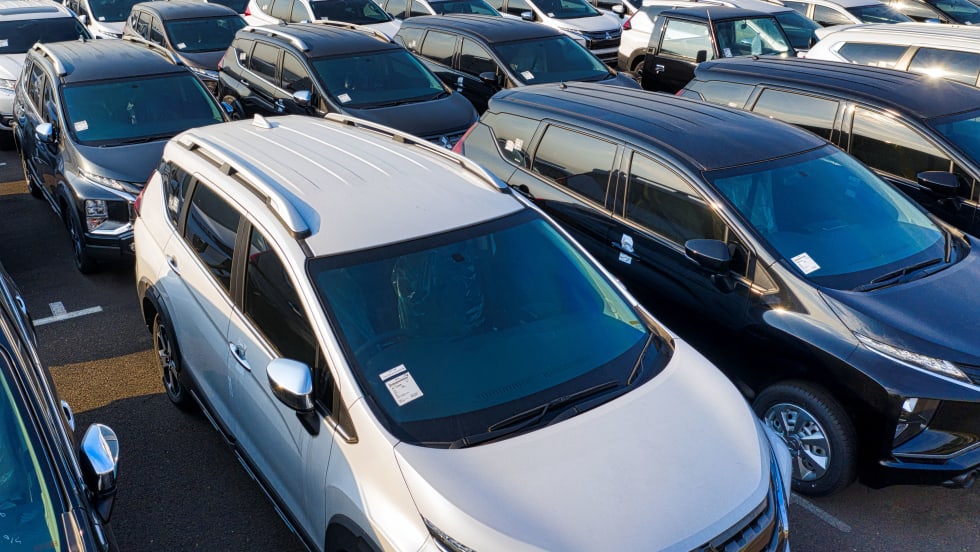
Used Sales Hit Summer Drag
The vacation season, combined with high prices, has dented deliveries and added to inventories, though supply is still slim enough to keep listings elevated.
Read More →
California Launches EV Rebate Program
Participating automakers are matching the state's $13.5 million investment in new electric-vehicle rebates scheduled to take effect later this summer.
Read More →
OEM Poll Sees Industry Evolution
Kerrigan Advisors’ survey of automakers finds that tariffs, technology, network tightening and other factors are poised to reshape auto retail.
Read More →
The Trade-In Paradox
Retailing older cars with confidence in today’s market is a matter of establishing and following a clear process that can turn greater profit for auto dealers as they aim to meet used-unit hunger.
Read More →
Focus on Vehicle Cabins
The market for interior materials will grow in coming years as automakers look to meet consumer demand while staying competitive with changeups to sourcing and included features.
Read More →