



Performance Ford Attributes 150% Internal Labor Efficiency to Reconditioning Time-to-Line Software
Performance Ford said today its internal service technicians are producing at 150% labor efficiency, thanks to their use of Rapid Recon.


Performance Ford said today its internal service technicians are producing at 150% labor efficiency, thanks to their use of Rapid Recon.
Image by Luk Luk from Pixabay
PALO ALTO, Calif. – Performance Ford said today its internal service technicians are producing at 150% labor efficiency, thanks to their use of Rapid Recon.
Now techs are freed up to focus on the inspection and repairs.
"That's great for the technicians — and the dealership," said Denim Simkins, service director for the Bountiful, Utah, dealership. "Instead of technicians averaging eight or nine hours a day, they're now at 12-plus hours per day. That's an additional 20 or 30 hours a month per tech.”
He said the dealership now drives 150% Efficiency from internal technicians. "And with internal technicians able to push cars through faster, that efficiency means an average-days-in-recon rate of 4.4 days, so we sell more cars too. That's great for everyone here," Simkins said.
Performance Automotive Network is a family-owned business operating for more than 40 years. It is a Top-50 automotive dealership group in America and operates 18 franchised dealerships in Ohio and Utah.
Working with Rapid Recon’s recon experts, Simkins structured the software to flag the recon center’s parts department immediately when the dealership’s buyers had acquired a vehicle from auction or trade. Creating this parts-alert function is a simple step change in the software, but many dealerships underutilize its benefits.
Simkins, however, seized on the idea. Now Performance Ford’s parts department automatically gets a notification within Rapid Recon on desktop or mobile devices. Hence, maintenance and replacement parts that are common to all vehicles reconditioned are immediately pulled and are ready to be delivered to the technician stall.
Often, Simkins said, parts packages are prepared and waiting for these technicians, before notified about which cars they’re scheduled to work on next.
“Now techs are freed up to focus on the inspection and repairs,” Simkins said. “Eliminating the parts-waiting step has significantly improved team productivity, so they get more cars recon in less time.” The reconditioning center has two full-time used car technicians, an internal service writer, and part-time runners.
It is surprisingly easy in any dealership for missed gross to hide in plain sight, said Rapid Recon founder and Chief Executive Officer Dennis McGinn. Service managers who understand and manage these Key Performance Indicators (KPI) maintain tight control over service outcomes.
For vehicle reconditioning, the two most meaningful KPIs are:
Time to Line (T2L) — This is the measure of efficiency from vehicle acquisition through reconditioning to final sale-ready status.
Average Days in Retail (ADR) — ADR measures the reconditioning steps the department can control, and it is affected by everyone who “touches” the vehicle — from recon system login through final photos.
Using T2L to manage a recon department (and, by relationship, the parts department) makes everyone who touches cars either a contributor or detractor to T2L.
“We got everyone to buy into this time-to-line culture, from GM to vendors,” he said. “They all know we grade performance and hold them accountable to the metrics we’ve set for ADR and T2L. We strongly reinforce that if we’re going to sell used cars within 14 days from when they hit the inventory, everybody’s got to be in sync. Rapid Recon is the tool that helps us do that.”
More Showroom

California Sees Quarterly Gains
California’s new-vehicle market saw a boost in hybrids in the third quarter and its first overall quarterly market gain of the year.
Read More →
New-Vehicle Prices Stay Put
Affordability pressures and model availability shaped new-vehicle sales in September, according to an analysis by Kelley Blue Book.
Read More →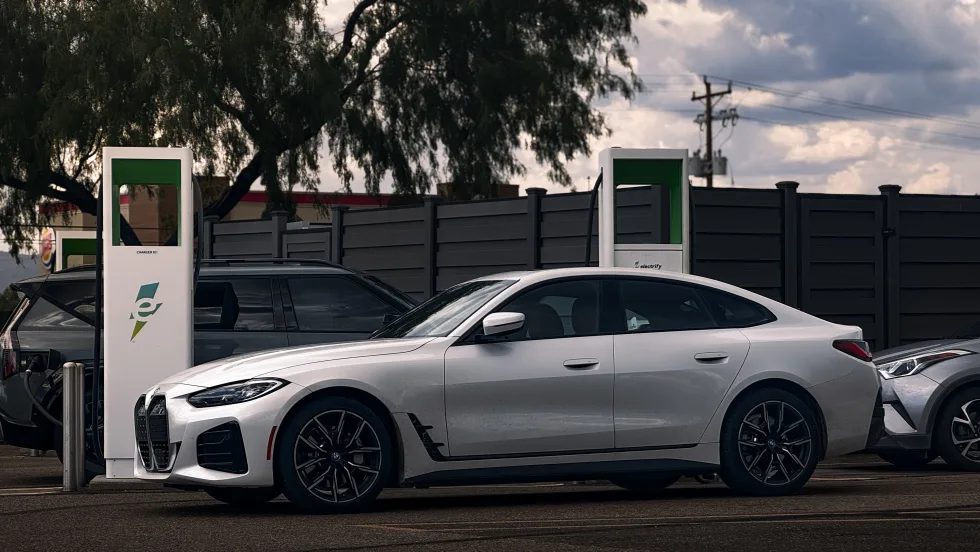
EV Buyer Consideration Shifts
What drives American consumers to purchase an electric vehicle is shifting as the question moves away from Should I?' to 'Which features and experience do I want to have?'
Read More →
Year-to-Date Auto Sales Holding Their Own
A forecast through August shows that automakers have shifted strategies to keep deliveries and revenues up despite tariffs and other economic challenges.
Read More →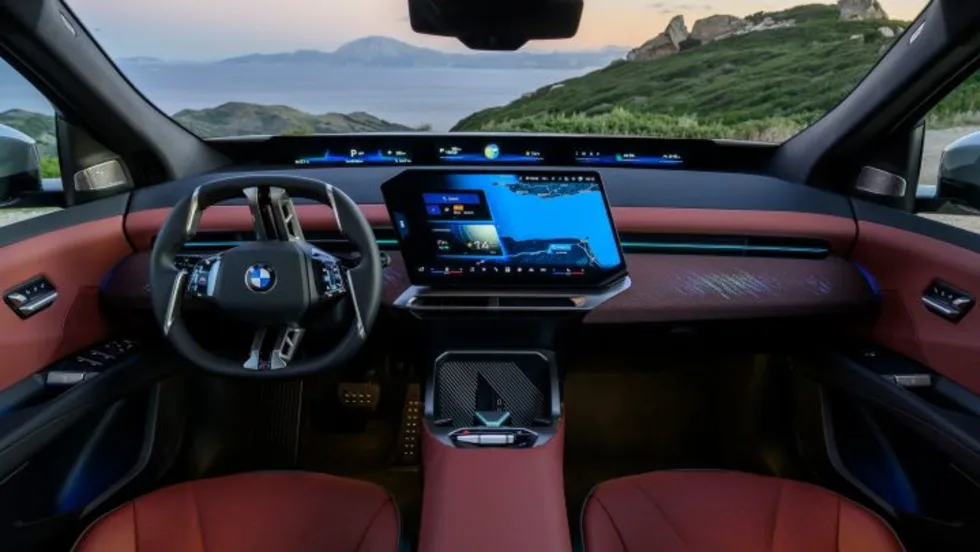
Slow to Robo
Ten years of polling consumers shows autonomous vehicles’ profiles have risen considerably, but even more people now want at least some level of control if they go that route.
Read More →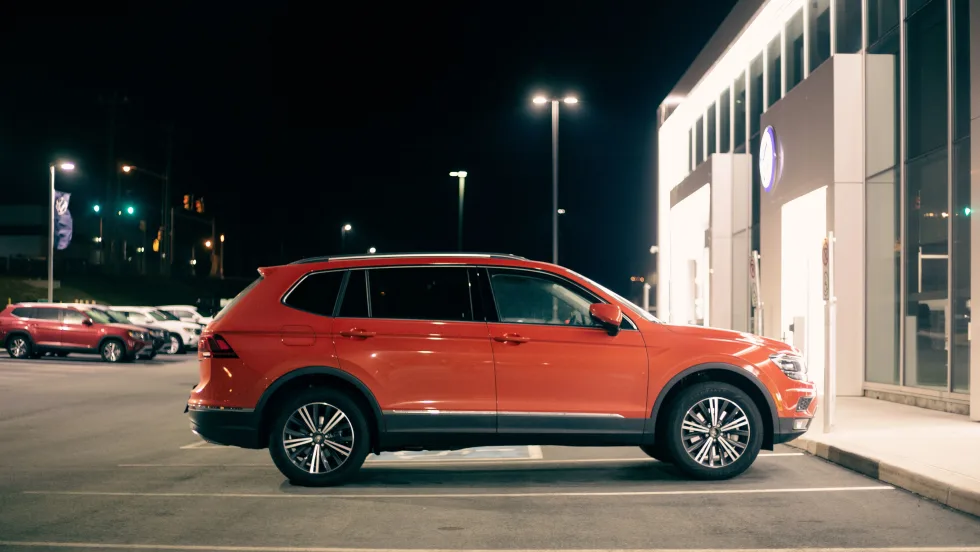
Dealers a Little Down
A third-quarter Cox Automotive survey finds them in a mixed mood, bummed by fallen customer traffic but encouraged by better profits, costs and EV interest.
Read More →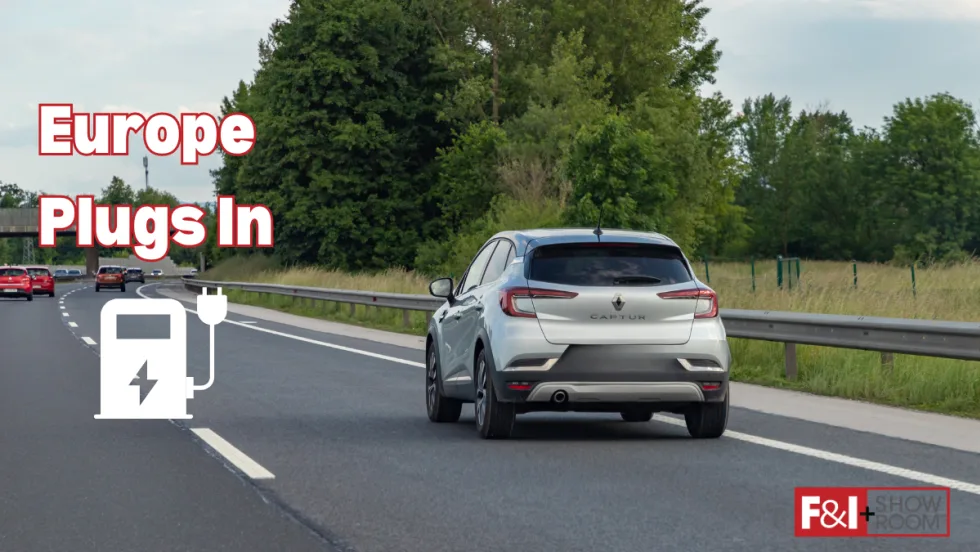
European EV Sales Skyrocket
The EV market on the continent held strong in July with almost 25% of new-car sales being fully electric units, a stark contrast to the U.S., where EV sales declined about 42%.
Read More →
Mitsubishi Unveils U.S. Plan
The automaker announced a strategy that includes an expanded lineup and dealership presence, along with more ‘rugged’ and electric models.
Read More →
Used Lots Getting the Business
Many consumers are seeking out the units to save money, and the demand – higher in July than normal – is keeping supply limited and prices up.
Read More →
Used Market Stabilizes
The Carfax Used Car Index noted a major drop in used-vehicle price increases in July after several months of hikes.
Read More →