



Rates Rise as Auto Affordability Concerns Grow
Affordability challenges may dampen spring auto sales, finds Cox Automotive Auto Market Weekly Summary.


Spring auto sales affected as interest rates rise amid record prices.
Brett Jordan
The Federal Reserve's recent increase of the Fed Funds Rate by a quarter point will tighten auto credit access, according to Cox Automotive’s Auto Market Weekly Summary for March 27.
Interest rates are skyrocketing because of widening yield spreads, while terms are shortening. Both measures will increase payments. The affordability challenges that result will likely dampen spring auto sales, the summary indicates.
Cox Automotive’s Dealertrack Auto Credit Total Loan Index found auto credit access expanded in February as the approval rate improved, the subprime share increased, and the share of loans with negative equity grew.
But auto loan rates also increased, and terms shortened. “[Now] preliminary data shows auto credit access reversed course and tightened during the first half of March, with the widening of yield spreads and shortening of terms,” the report noted.
The Fed Funds Rate now sits at 4.75% to 5.00%, the highest since 2007. But the Fed has softened its outlook regarding additional increases. “The median expected terminal Fed Funds Rate remains 5% to 5.25%, which indicates one more 25 (basis points) move left,” Cox reported.
Auto loan performance deteriorated in February, but the pace slowed, Cox reported. Loans that were delinquent for 60 days or more increased in February for the tenth consecutive month and rose 21.9% year-over-year, according to Cox data.
“In February, 1.90% of auto loans were severely delinquent, an increase from 1.89% in January and the highest severe delinquency rate dating back to 2006,” the report noted. “Compared to a year ago, the severe delinquency rate was 32 basis points higher. In February, 7.34% of subprime loans were severely delinquent, an increase from 7.30% in January and the highest severe delinquency rate dating back to 2006. The subprime severe delinquency rate was 135 basis points higher from a year ago.”
Cox Automotive noted higher delinquencies are still not leading to prepandemic loan default levels. Still, loan defaults increased 2.2% in February from January and were up 16.2% from a year ago, the report noted.
Cox reported the labor market is not as strong as it was a year ago but noted there is little evidence of major deterioration in jobless claims data. “Jobless claims remain at historically low levels relative to the job base,” the weekly report noted.
According to Cox research, seasonally adjusted initial jobless claims declined by 1,000 to 191,000 for the week ended March 18, and nonseasonally adjusted initial claims fell by 4,700.
Continuing claims, representing people who previously filed and remain on traditional unemployment compensation, increased by 14,000 week-over-week, pushing the total to 1.69 million as of March 11. The level of continuing claims is still 69,000 lower than before the pandemic, Cox reported.
Continuing claims declined by 61,500 to 1.94 million in the latest data, which lags the traditional number and isn't seasonally adjusted. That total measure is down 40,600 over the last four weeks and 164,000 lower than the prepandemic level but at the highest level in a year, the report concluded.
Originally posted on Auto Dealer Today
More Showroom

New-Vehicle Prices Stay Put
Affordability pressures and model availability shaped new-vehicle sales in September, according to an analysis by Kelley Blue Book.
Read More →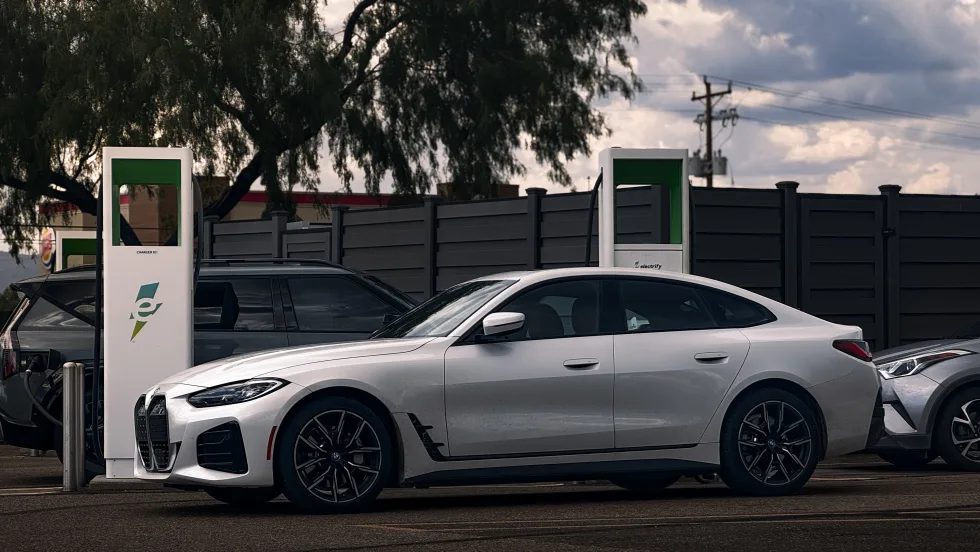
EV Buyer Consideration Shifts
What drives American consumers to purchase an electric vehicle is shifting as the question moves away from Should I?' to 'Which features and experience do I want to have?'
Read More →
Year-to-Date Auto Sales Holding Their Own
A forecast through August shows that automakers have shifted strategies to keep deliveries and revenues up despite tariffs and other economic challenges.
Read More →
Slow to Robo
Ten years of polling consumers shows autonomous vehicles’ profiles have risen considerably, but even more people now want at least some level of control if they go that route.
Read More →
Dealers a Little Down
A third-quarter Cox Automotive survey finds them in a mixed mood, bummed by fallen customer traffic but encouraged by better profits, costs and EV interest.
Read More →
European EV Sales Skyrocket
The EV market on the continent held strong in July with almost 25% of new-car sales being fully electric units, a stark contrast to the U.S., where EV sales declined about 42%.
Read More →
Mitsubishi Unveils U.S. Plan
The automaker announced a strategy that includes an expanded lineup and dealership presence, along with more ‘rugged’ and electric models.
Read More →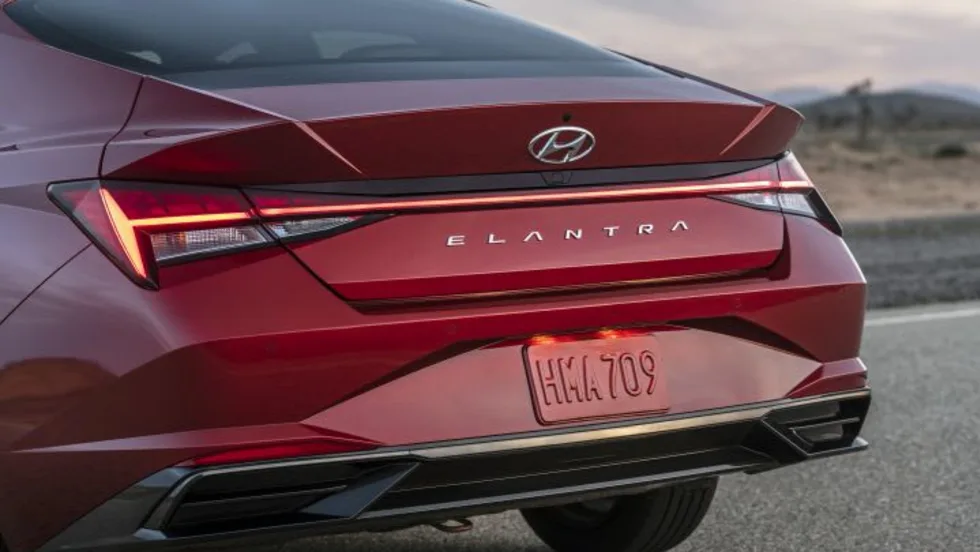
Used Lots Getting the Business
Many consumers are seeking out the units to save money, and the demand – higher in July than normal – is keeping supply limited and prices up.
Read More →
Used Market Stabilizes
The Carfax Used Car Index noted a major drop in used-vehicle price increases in July after several months of hikes.
Read More →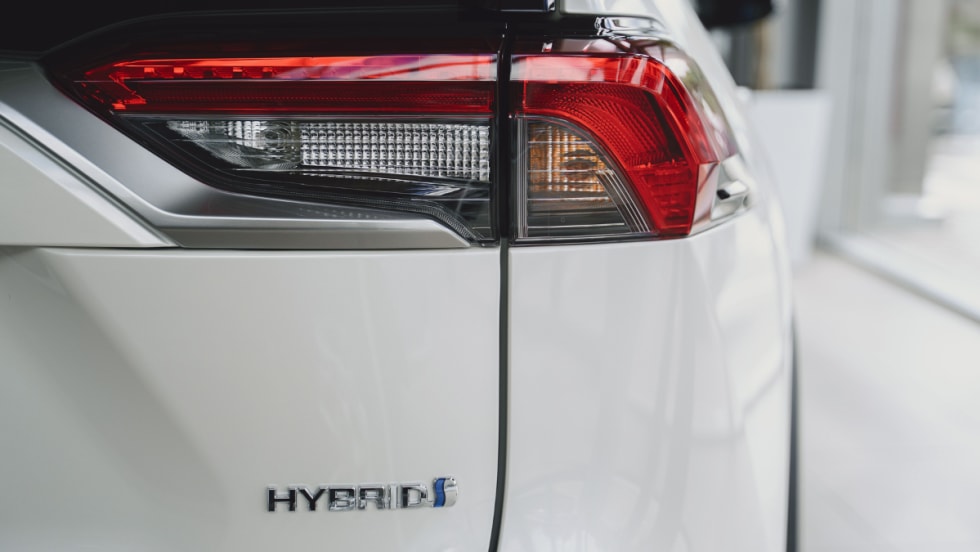
California Hybrids Reach State Record
The Golden State still leads the country in electric-vehicle registrations, but much like the rest of the U.S. its hybrid market share is up while full electrics stabilize after a dramatic first-quarter dip.
Read More →