



Report: Dealers Are Less Progressive Than They Think
The latest edition of eLEND Solutions’ Digital Retailing Survey finds most dealers describe themselves as willing to adopt digital retailing but actual adoption rates — and levels of understanding — are wanting.
A new study conducted by eLend Solutions found that auto dealers are generally open to digital tools but the majority still rely on the pen-and-paper approach. Photo by kugelschreiber
FOOTHILL RANCH, Calif. — A new auto dealership survey from eLEND Solutions offers a good news/bad news scenario for the future of digital retailing: dealers overwhelmingly say they are progressive and willing to adopt more digital retailing tools (84%), yet the majority define digital retailing as posting inventory and report that more than 50% of their process continues to be manual/paper-based.
The snapshot survey, conducted among dealerships nationwide in August 2017, clearly illustrates that dealers are interested in a progressive, customer-focused, digital approach to retailing. For example, dealers overwhelmingly agreed with the statement: “Sell the car the way the customer wants to buy it by letting shoppers start and stop when & where they want. Online or instore.”
But the actual process and tools implementation lags significantly behind this progressive intent. The dealers surveyed cited customer service as their key dealership differentiator and believe a digital retail strategy is key to the shorter transaction times that they aspire to: Ninety percent want it to be under two hours, but fewer than half are achieving that.
“One thing that remains consistent over the years, as we survey dealerships, is the disconnect between the progressive, streamlined digital process dealers say they want to offer and their ability to deliver it,” said Pete MacInnis, CEO of eLEND Solutions. “Customers’ expectations are passing beyond dealerships’ ability to deliver on those expectations. … The dealership ‘will’ is there — they overwhelmingly want a solution that connects the online and offline dots — but the ‘wherefore’ has yet to arrive. The good news is that the solution is definitely on its way.”
Key highlights of the survey include:
Customer service was cited as the top dealership differentiator.
More than two-thirds (68%) say the top benefit of digital retailing is shorter transaction times.
Dealers overwhelmingly (93%) agree with the idea that their website operates as a digital showroom, but most define digital retailing as listing inventory versus actually allowing more of the deal to be initiated online or in-store app/web based smartphone/tablet technologies.
While 84% plan to adopt more digital retailing tools, the majority (70%) are opting for an incremental approach.
Reluctance to change and cost are cited as top barriers to adopting more tools: Less than 20% are opposed to adoption.
Online digital retailing tools connected with the instore sales process was the top choice for nearly 70% of dealers.
Sixty percent say that if they could add more tools to make their websites more transactional, they would.
For more information, visit elendsolutions.com.
More Showroom
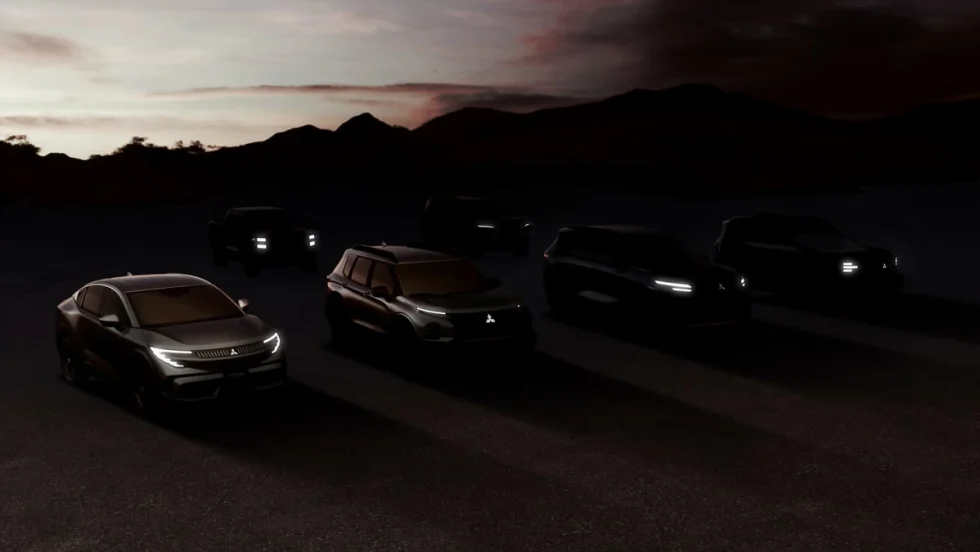
Mitsubishi Unveils U.S. Plan
The automaker announced a strategy that includes an expanded lineup and dealership presence, along with more ‘rugged’ and electric models.
Read More →
Used Lots Getting the Business
Many consumers are seeking out the units to save money, and the demand – higher in July than normal – is keeping supply limited and prices up.
Read More →
Used Market Stabilizes
The Carfax Used Car Index noted a major drop in used-vehicle price increases in July after several months of hikes.
Read More →
California Hybrids Reach State Record
The Golden State still leads the country in electric-vehicle registrations, but much like the rest of the U.S. its hybrid market share is up while full electrics stabilize after a dramatic first-quarter dip.
Read More →
My Mercedes in the U.S.
The German brand debuted its studio dealership concept for the first time in the states in Los Angeles, tapping Americans’ penchant for creative distinctions.
Read More →
Used Sales Hit Summer Drag
The vacation season, combined with high prices, has dented deliveries and added to inventories, though supply is still slim enough to keep listings elevated.
Read More →
California Launches EV Rebate Program
Participating automakers are matching the state's $13.5 million investment in new electric-vehicle rebates scheduled to take effect later this summer.
Read More →
OEM Poll Sees Industry Evolution
Kerrigan Advisors’ survey of automakers finds that tariffs, technology, network tightening and other factors are poised to reshape auto retail.
Read More →
The Trade-In Paradox
Retailing older cars with confidence in today’s market is a matter of establishing and following a clear process that can turn greater profit for auto dealers as they aim to meet used-unit hunger.
Read More →
Focus on Vehicle Cabins
The market for interior materials will grow in coming years as automakers look to meet consumer demand while staying competitive with changeups to sourcing and included features.
Read More →