



Report Forecasts Fewer Per-Store Sales
The latest edition of Urban Science’s Franchise Activity Report predicts a stable dealer network will produce reduced per-store sales following a period of stability.


The latest Franchise Activity Report from Urban Science indicates fewer per-store sales as overall volume decreases and the dealer network remains stable. Photo by Jo Jakeman
DETROIT — Statistics and insights compiled in Urban Science’s mid-year Automotive Franchise Activity Report indicate continued stability in the number of automotive dealerships in the United States, presaging a fall in per-store sales.
As of July 1, there were 18,199 rooftops, a 0.2% increase from the 18,170 dealerships recorded in January. The number of brands a dealership sells also experienced a period of stability, slightly increasing from 32,012 on January 1 to 32,046 as of July 1.
“Over the last several years, the dealership network has set a new normal pattern of stability,” wrote Mitch Phillips, Urban Science’s global director of data. “The data shows that 98% of local markets had virtually no net change (+/- one dealership). That said, the most significant (net) dealership increases occurred in Texas, nine dealerships; Florida, seven dealerships; Pennsylvania, six dealerships; Missouri, five dealerships; and Ohio, four dealerships. An interesting observation is California and New York, both typically on the most active list, are no longer included on the most active list, demonstrating a period of stability.”
Defining “sales throughput” as number of sales divided by dealer count, Phillips expects sales to decline on a store-by-store basis.
“With a stable dealer count, the throughput record is controlled by the sales volume,” he wrote. “With the current range of 2017 sales forecasts being less than 2016, throughput is forecasted to fall around 25 units to 940 units.”
More Showroom
Dealers a Little Down
A third-quarter Cox Automotive survey finds them in a mixed mood, bummed by fallen customer traffic but encouraged by better profits, costs and EV interest.
Read More →
European EV Sales Skyrocket
The EV market on the continent held strong in July with almost 25% of new-car sales being fully electric units, a stark contrast to the U.S., where EV sales declined about 42%.
Read More →
Mitsubishi Unveils U.S. Plan
The automaker announced a strategy that includes an expanded lineup and dealership presence, along with more ‘rugged’ and electric models.
Read More →
Used Lots Getting the Business
Many consumers are seeking out the units to save money, and the demand – higher in July than normal – is keeping supply limited and prices up.
Read More →
Used Market Stabilizes
The Carfax Used Car Index noted a major drop in used-vehicle price increases in July after several months of hikes.
Read More →
California Hybrids Reach State Record
The Golden State still leads the country in electric-vehicle registrations, but much like the rest of the U.S. its hybrid market share is up while full electrics stabilize after a dramatic first-quarter dip.
Read More →
My Mercedes in the U.S.
The German brand debuted its studio dealership concept for the first time in the states in Los Angeles, tapping Americans’ penchant for creative distinctions.
Read More →
Used Sales Hit Summer Drag
The vacation season, combined with high prices, has dented deliveries and added to inventories, though supply is still slim enough to keep listings elevated.
Read More →
California Launches EV Rebate Program
Participating automakers are matching the state's $13.5 million investment in new electric-vehicle rebates scheduled to take effect later this summer.
Read More →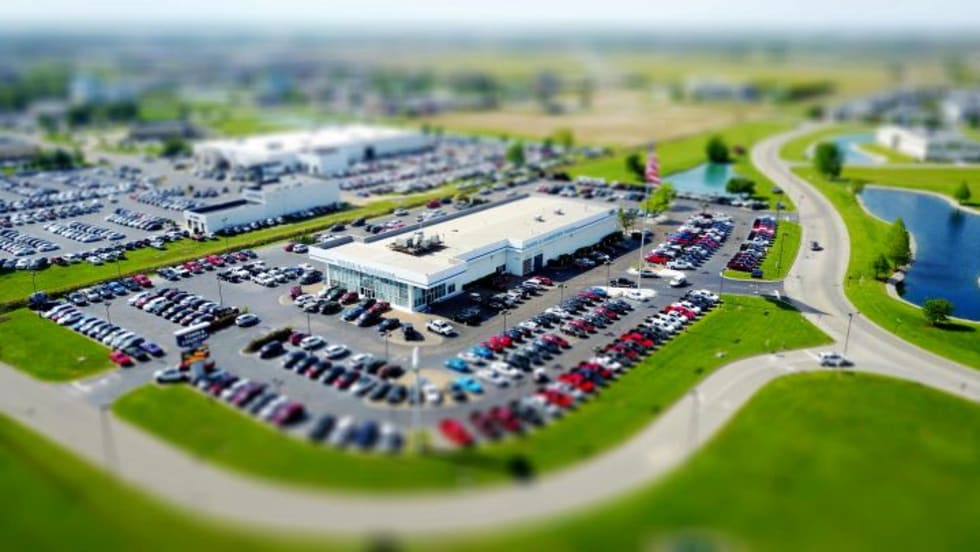
OEM Poll Sees Industry Evolution
Kerrigan Advisors’ survey of automakers finds that tariffs, technology, network tightening and other factors are poised to reshape auto retail.
Read More →