



Senate Passes Legislation to Boost Chip Production and Compete With China
The bill earmarks $52 billion to help domestic semiconductor manufacturers expand production.

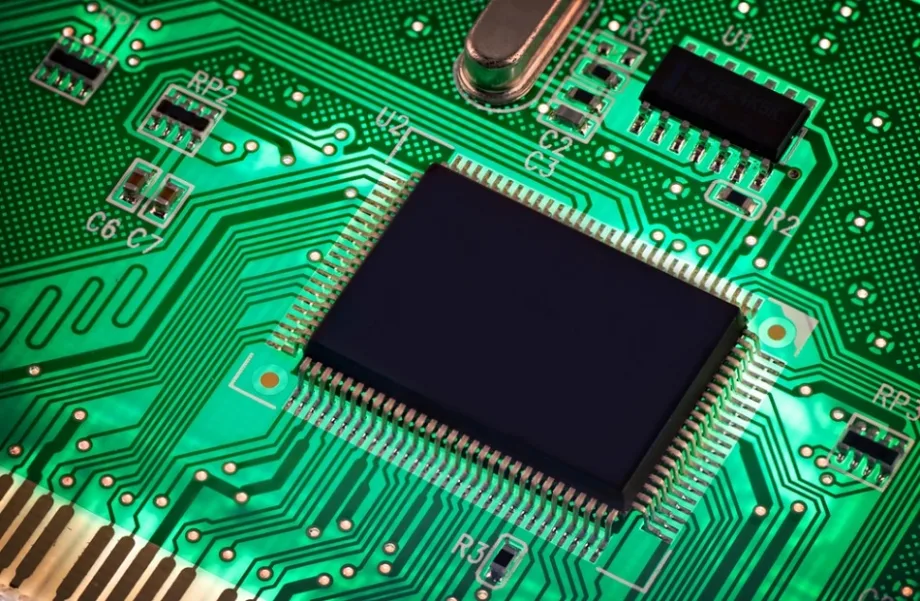
Semiconductors provide power for battery management, in-car entertainment, driver assistance systems, and much more.
Digital Lifescapes
The U.S. Senate passed a nearly $250 billion bill to solidify the U.S. position as a leader in technological research and innovation. The funds will subsidize scientific research and chip manufacturing and overhaul the National Science Foundation.
Titled the U.S. Innovation and Competition Act, the bill builds on a previous act called the Endless Frontier Act written by Senate Majority Leader Chuck Schumer, D-N.Y., and Sen. Todd Young, R-Ind.
The Senate passed the bill on a 68-32 vote, showing bipartisan support for efforts that bolster U.S. manufacturing and technology amid strategic challenges from China.
“This bill will go down as one of the most important things this chamber has done in a very long time,” Schumer said on the Senate floor before the vote. “Whoever wins the race to the technologies of the future is going to be a global economic leader—with profound consequences for foreign policy and national security as well.”
The bill earmarks $52 billion to help domestic semiconductor manufacturers expand production. The move will speed up measures to address the global chip shortage that has idled U.S. automotive plants and disrupted electronics production.
The automotive industry celebrated the move to include money for semiconductor manufacturing in the bill. The semiconductor shortage has slowed delivery of new vehicles in recent months.
“Semiconductors form the nerve center of America’s economy, national security and critical infrastructure,” said John Neuffer, president and CEO of the Semiconductor Industry Association. “We look forward to working with leaders in the Administration and Congress to enact needed federal investments in chip technology to help ensure more of the chips our country needs are researched, designed, and manufactured on U.S. shores.”
The legislation also authorizes $190 billion to increase R&D efforts at universities and other institutions.
The bill still must pass the House, where leaders haven’t publicly noted whether they will support it or establish their own course of action targeted at revamping the National Science Foundation.
Schumer said the Senate bill is close to what the House is working on and expressed positivity about it passing there. “It’s in President Biden’s agenda and I’m quite certain we will get a really good product on the President’s desk,” he said.
Chinese lawmakers were not as certain, urging Congress to “immediately stop” progress on the bill, reported the official Xinhua News Agency. The statement said the bill “smear’s China’s development path and domestic and foreign policies” and “interferes in China’s internal affairs under the banner of innovation and competition.”
Originally posted on Auto Dealer Today
More Showroom

Year-to-Date Auto Sales Holding Their Own
A forecast through August shows that automakers have shifted strategies to keep deliveries and revenues up despite tariffs and other economic challenges.
Read More →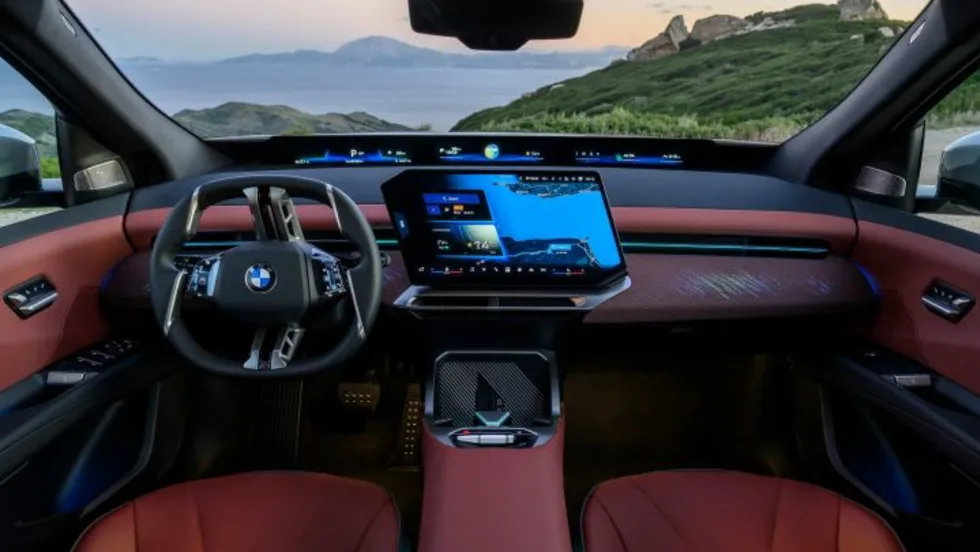
Slow to Robo
Ten years of polling consumers shows autonomous vehicles’ profiles have risen considerably, but even more people now want at least some level of control if they go that route.
Read More →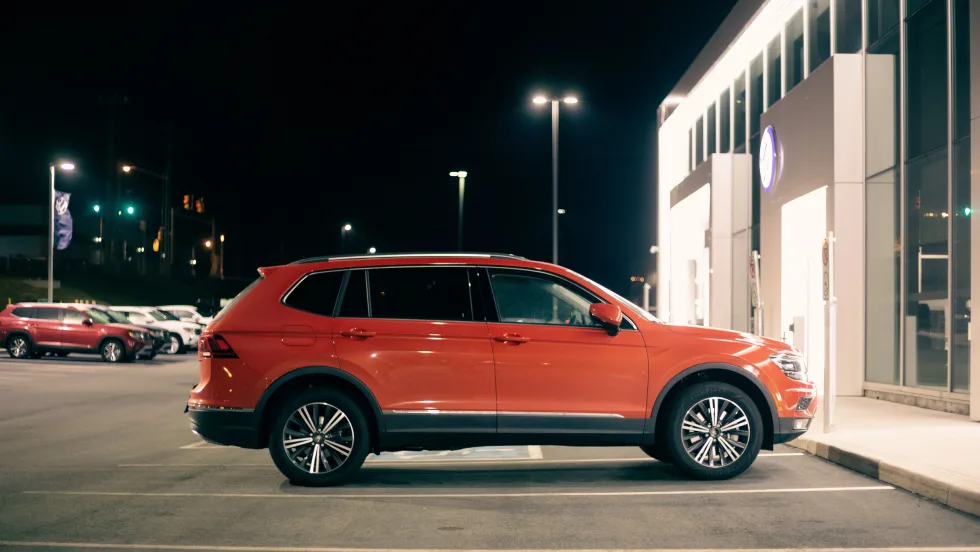
Dealers a Little Down
A third-quarter Cox Automotive survey finds them in a mixed mood, bummed by fallen customer traffic but encouraged by better profits, costs and EV interest.
Read More →
European EV Sales Skyrocket
The EV market on the continent held strong in July with almost 25% of new-car sales being fully electric units, a stark contrast to the U.S., where EV sales declined about 42%.
Read More →
Mitsubishi Unveils U.S. Plan
The automaker announced a strategy that includes an expanded lineup and dealership presence, along with more ‘rugged’ and electric models.
Read More →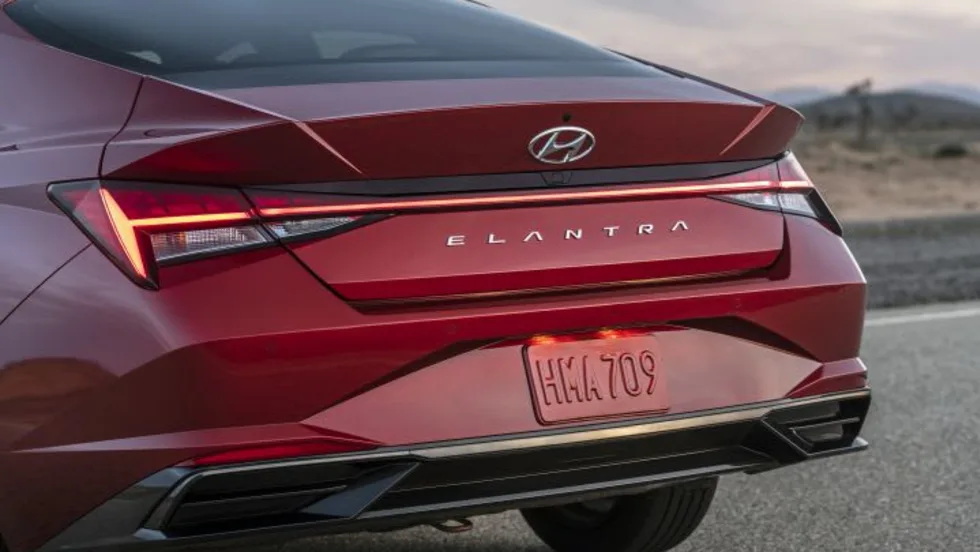
Used Lots Getting the Business
Many consumers are seeking out the units to save money, and the demand – higher in July than normal – is keeping supply limited and prices up.
Read More →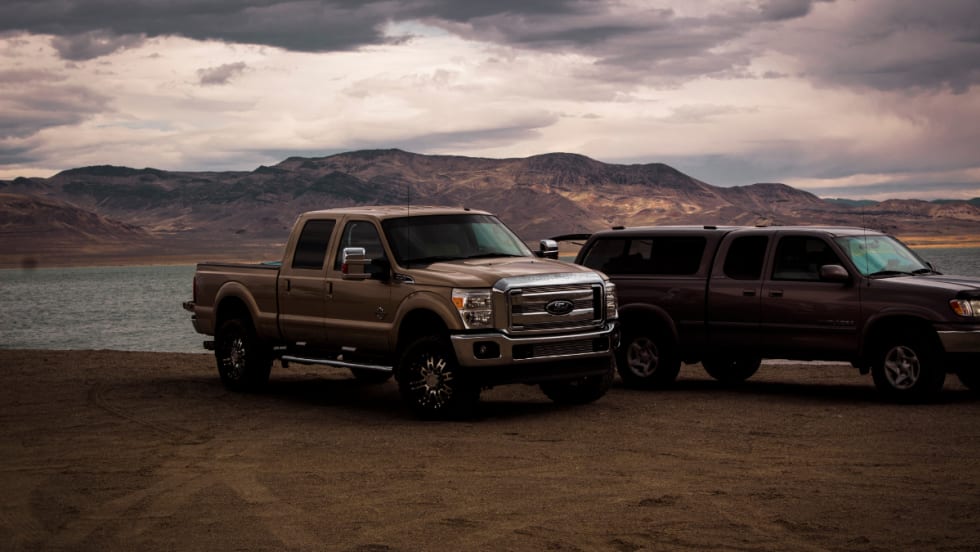
Used Market Stabilizes
The Carfax Used Car Index noted a major drop in used-vehicle price increases in July after several months of hikes.
Read More →
California Hybrids Reach State Record
The Golden State still leads the country in electric-vehicle registrations, but much like the rest of the U.S. its hybrid market share is up while full electrics stabilize after a dramatic first-quarter dip.
Read More →
My Mercedes in the U.S.
The German brand debuted its studio dealership concept for the first time in the states in Los Angeles, tapping Americans’ penchant for creative distinctions.
Read More →
Used Sales Hit Summer Drag
The vacation season, combined with high prices, has dented deliveries and added to inventories, though supply is still slim enough to keep listings elevated.
Read More →