



Slim Inventory and High Prices to Cause Dip in January Vehicle Sales
Industry analysts predict U.S. auto retail sales will dip in January as manufacturing slows.

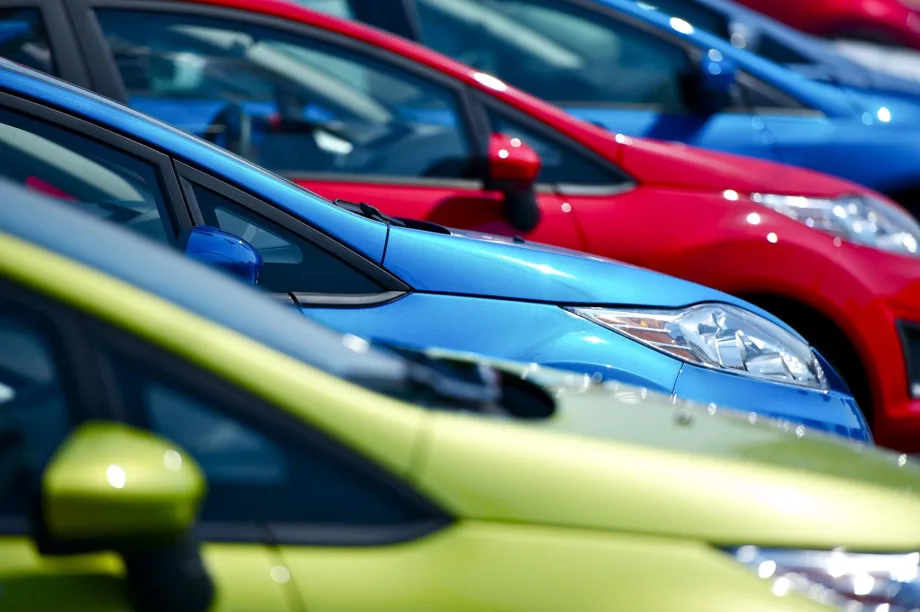
DigitalTrends.com
Consultants J.D. Power and LMC Automotive predict retail sales of new vehicles could fall 8.3% to 828,900 units in January 2022, compared to January 2021.
"The volume of new vehicles being delivered to dealerships in January has been insufficient to meet strong consumer demand, resulting in a significantly diminished sales pace," said Thomas King, president of the data and analytics division at J.D. Powers in the report.
Bottlenecks arise in supply chains as COVID-19 restrictions limit access to labor and raw materials. The winter surge of COVID-19 infections increased worker shortages at factories, even as demand stayed strong.
Skyrocketing new vehicle transaction prices are also to blame. The average new-vehicle retail transaction price will reach $44,905 in January, slightly lower than the $45,283 average transaction price in December 2021.
Analysts forecast total new-vehicle sales for January 2022, including retail and non-retail transactions, will reach 932,099 units, a 15.6% decrease from last year. They say the seasonally adjusted annualized rate for total new-vehicle sales will hit 14.1 million units, down 2.6 million units from 2021.
Cox Automotive reported it expected new-vehicle sales in January to reach 1.01 million units, a drop of 8.9% compared to January 2021. The analysts also expects seasonally adjusted annual rate to finish near 15.3 million, up from 12.4 million in December, the slowest pace since May 2020.
It’s not all doom and gloom however. Both J.D. Power and LMC Automotive expect 2022 global light vehicle sales to grow by 6% to 86.2 million units.
Originally posted on Auto Dealer Today
More Showroom

California Sees Quarterly Gains
California’s new-vehicle market saw a boost in hybrids in the third quarter and its first overall quarterly market gain of the year.
Read More →
New-Vehicle Prices Stay Put
Affordability pressures and model availability shaped new-vehicle sales in September, according to an analysis by Kelley Blue Book.
Read More →
EV Buyer Consideration Shifts
What drives American consumers to purchase an electric vehicle is shifting as the question moves away from Should I?' to 'Which features and experience do I want to have?'
Read More →
Year-to-Date Auto Sales Holding Their Own
A forecast through August shows that automakers have shifted strategies to keep deliveries and revenues up despite tariffs and other economic challenges.
Read More →
Slow to Robo
Ten years of polling consumers shows autonomous vehicles’ profiles have risen considerably, but even more people now want at least some level of control if they go that route.
Read More →
Dealers a Little Down
A third-quarter Cox Automotive survey finds them in a mixed mood, bummed by fallen customer traffic but encouraged by better profits, costs and EV interest.
Read More →
European EV Sales Skyrocket
The EV market on the continent held strong in July with almost 25% of new-car sales being fully electric units, a stark contrast to the U.S., where EV sales declined about 42%.
Read More →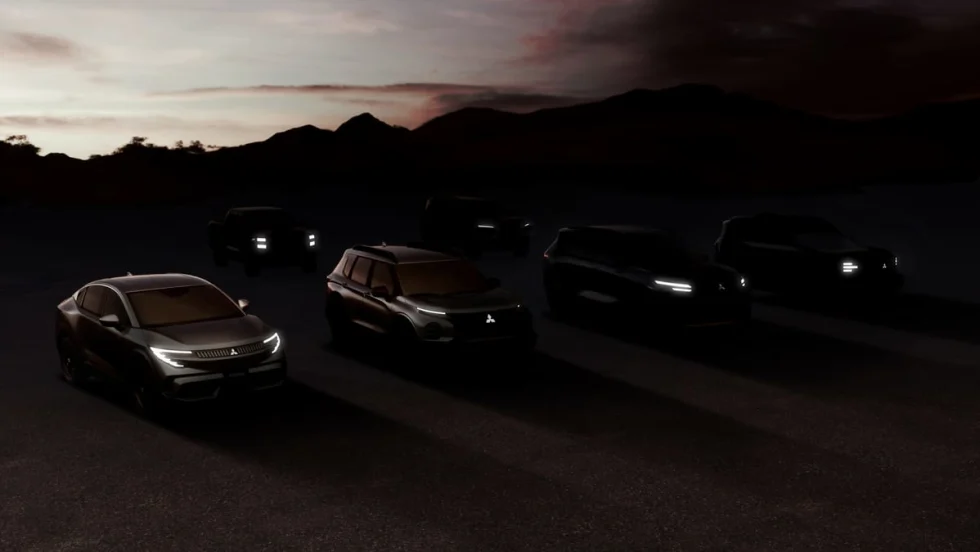
Mitsubishi Unveils U.S. Plan
The automaker announced a strategy that includes an expanded lineup and dealership presence, along with more ‘rugged’ and electric models.
Read More →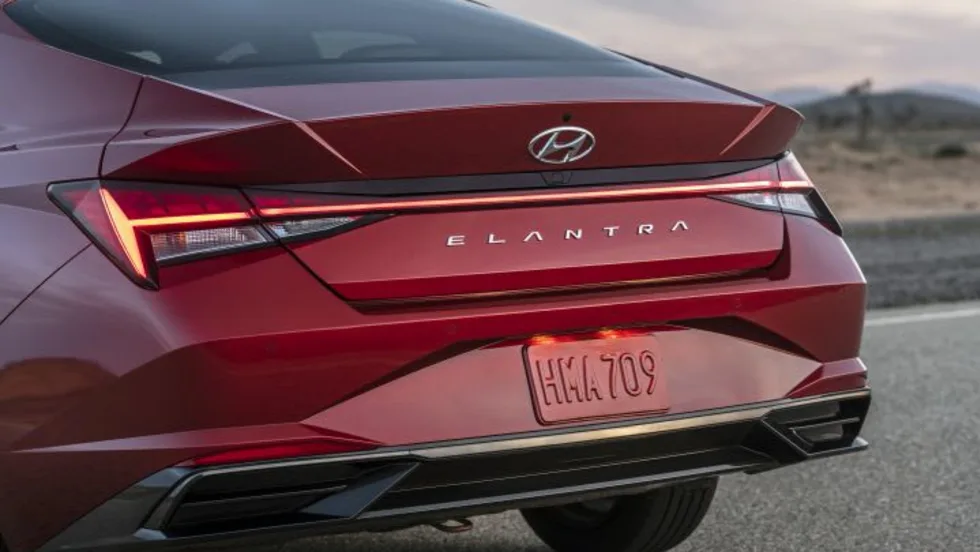
Used Lots Getting the Business
Many consumers are seeking out the units to save money, and the demand – higher in July than normal – is keeping supply limited and prices up.
Read More →
Used Market Stabilizes
The Carfax Used Car Index noted a major drop in used-vehicle price increases in July after several months of hikes.
Read More →