



Stellantis Seeks to Strike Down Emissions Deal
California Framework Agreement with other automakers puts automaker at competitive disadvantage, company says.


The California agency plans to retroactively enforce greenhouse gas emissions standards for 2021 and 2022 model years.
IMAGE: Pixabay
Stellantis, the parent company of Chrysler, is trying to invalidate a 2019 emissions deal with rival automakers in California, citing a double standard that destabilizes its production schedules and jeopardizes the jobs of its 56,000 U.S. employees.
The California Framework Agreement, the automaker said, was developed secretly with some competitors, in direct violation of the California Administrative Procedure Act. The agreement excludes Stellantis, putting it at a competitive disadvantage, the automaker says.
Stellantis has petitioned the California Office of Administrative Law to overturn the California Air Resources Board agreement to "relieve Stellantis of the competitive disadvantages arising from our continuing exclusion and to preserve our ability to best serve our customers by fairly allocating our products to all states."
CARB intends to retroactively enforce greenhouse gas emissions standards for 2021 and 2022 model years against automakers, including Stellantis, according to Stellantis' filing. However, the automaker says the same regulations aren't being retroactively enforced against automakers in the voluntary agreement.
Ford, Honda, Volkswagen and BMW entered into the agreement to reduce vehicle emissions, and Volvo Cars, now owned by Geely of China, joined soon after, Reuters reported. Stellantis attempted to join the agreement later but was turned down, the news agency said.
Originally posted on Auto Dealer Today
More Showroom
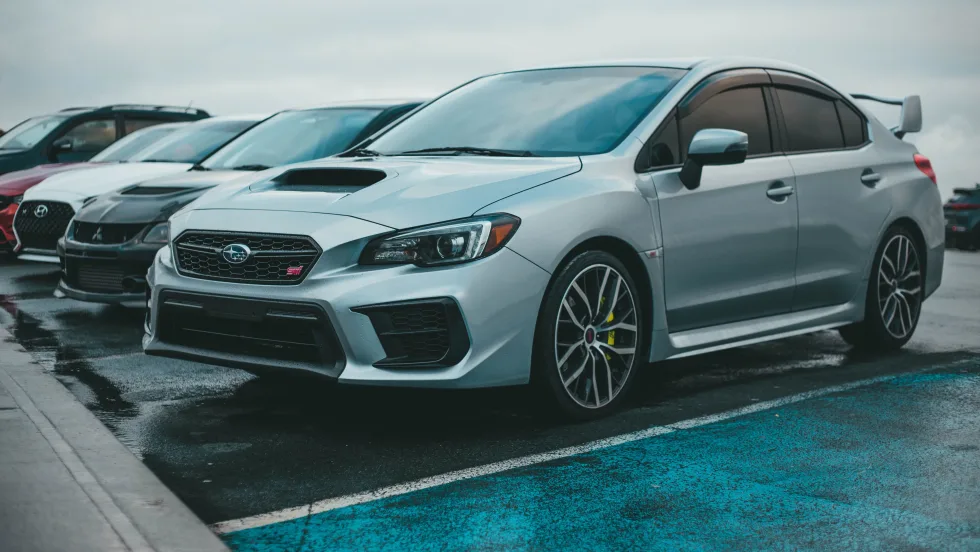
New-Vehicle Prices Stay Put
Affordability pressures and model availability shaped new-vehicle sales in September, according to an analysis by Kelley Blue Book.
Read More →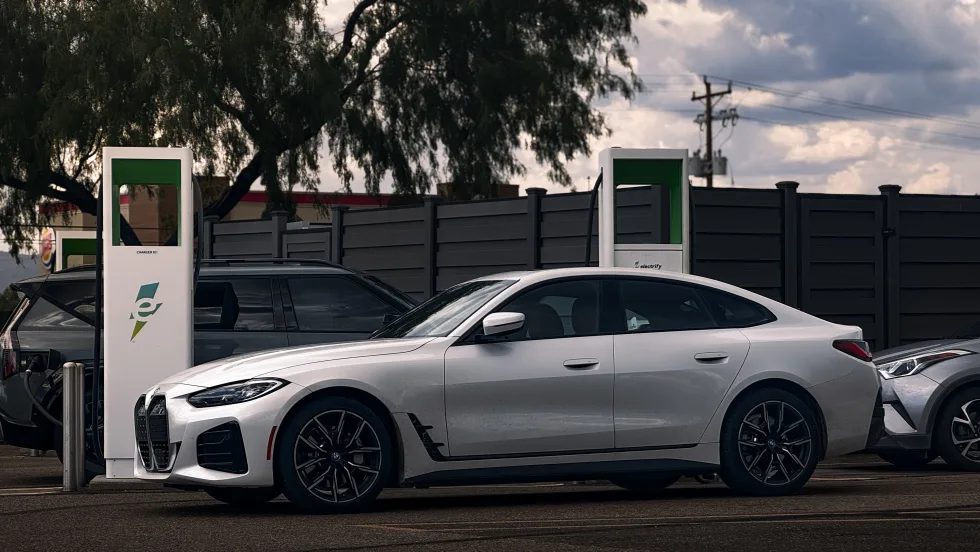
EV Buyer Consideration Shifts
What drives American consumers to purchase an electric vehicle is shifting as the question moves away from Should I?' to 'Which features and experience do I want to have?'
Read More →
Year-to-Date Auto Sales Holding Their Own
A forecast through August shows that automakers have shifted strategies to keep deliveries and revenues up despite tariffs and other economic challenges.
Read More →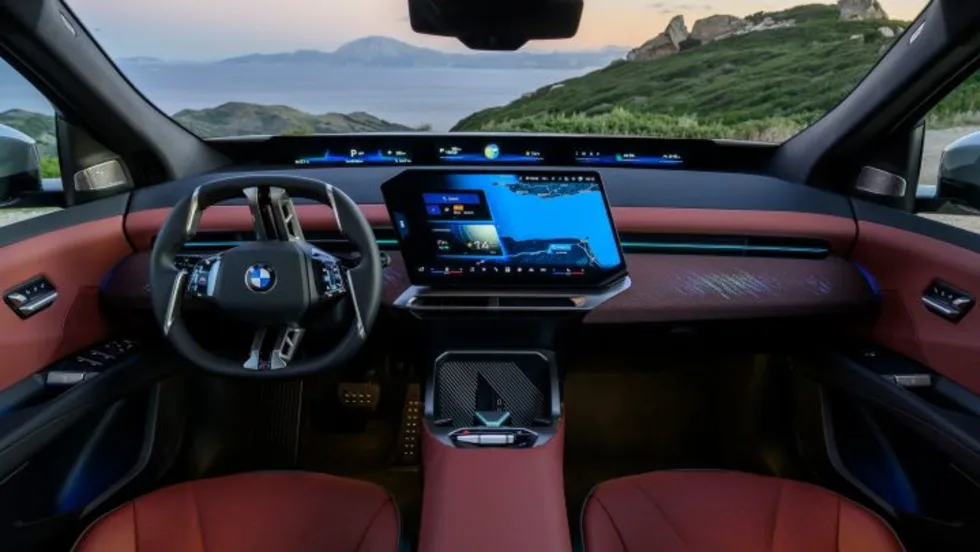
Slow to Robo
Ten years of polling consumers shows autonomous vehicles’ profiles have risen considerably, but even more people now want at least some level of control if they go that route.
Read More →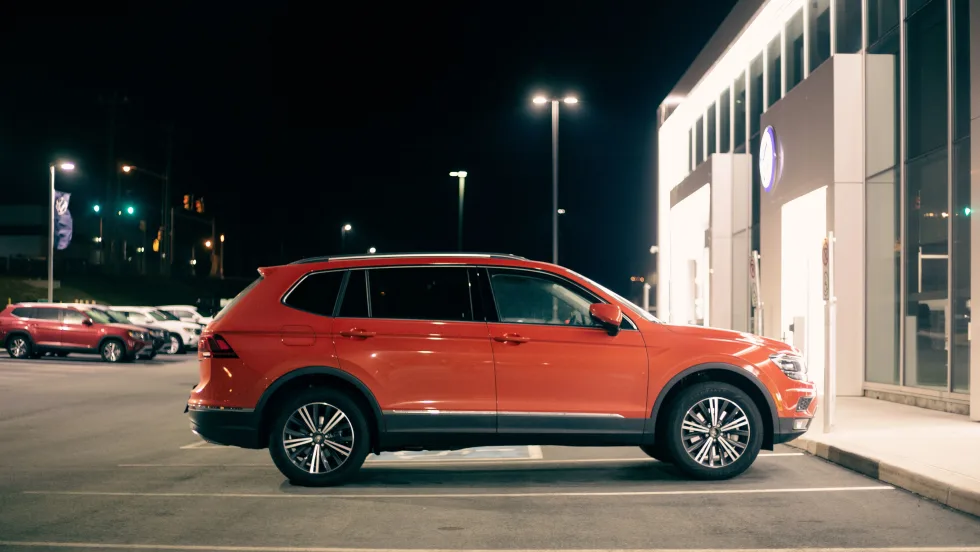
Dealers a Little Down
A third-quarter Cox Automotive survey finds them in a mixed mood, bummed by fallen customer traffic but encouraged by better profits, costs and EV interest.
Read More →
European EV Sales Skyrocket
The EV market on the continent held strong in July with almost 25% of new-car sales being fully electric units, a stark contrast to the U.S., where EV sales declined about 42%.
Read More →
Mitsubishi Unveils U.S. Plan
The automaker announced a strategy that includes an expanded lineup and dealership presence, along with more ‘rugged’ and electric models.
Read More →
Used Lots Getting the Business
Many consumers are seeking out the units to save money, and the demand – higher in July than normal – is keeping supply limited and prices up.
Read More →
Used Market Stabilizes
The Carfax Used Car Index noted a major drop in used-vehicle price increases in July after several months of hikes.
Read More →
California Hybrids Reach State Record
The Golden State still leads the country in electric-vehicle registrations, but much like the rest of the U.S. its hybrid market share is up while full electrics stabilize after a dramatic first-quarter dip.
Read More →