



Supply Chain Disruptions Affected Volkswagen Cash Flow in 2022
Volkswagen AG reported its cash flow fell short of expectations as supply chain snags led to higher unsold inventory at year’s end.

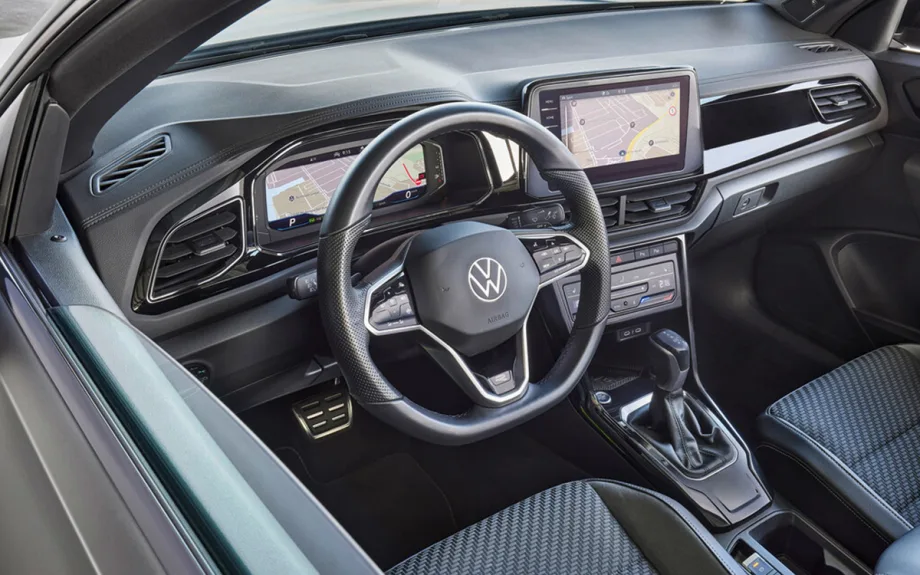
Volkswagen AG reported its cash flow fell short of expectations as supply chain snags led to higher unsold inventory at year’s end.
IMAGE: Volkswagen
Volkswagen AG reported its sales and operating earnings were in line with forecasts but noted its cash flow fell short of expectations as supply chain snags led to higher unsold inventory at year’s end.
Like other automakers, Volkswagen has struggled with continued supply chain disruptions because of the War in Ukraine and COVID-Zero policies in China. These snags limited production as automaker’s waited for parts.
Volkswagen reported in a regulatory statement that the continuing disruptions to supply chains left the company with excess inventories of finished goods, raw materials and supplies at year’s end.
Preliminary earnings estimates put revenue at 279 billion euros, equivalent to about $299 billion, up approximately 12% from a year ago. Operating profit before special items hit 22.5 billion euros, which Volkswagen reports is a return on sales of 8.1%, well within the range previously targeted by the company.
The automaker put net cash flow at 5 billion euros in 2022, falling short of the company’s self-imposed target of matching the 8.6 billion euros in cash flow achieved in the previous year.
“The deviation is mainly because of the unstable supply situation throughout 2022 and disruptions in the logistics chains, particularly at the end of the year,” Volkswagen reported in a statement. The automaker noted that it expects the headwinds affecting cash flow to ease in the year ahead.
Volkswagen reported the net liquidity of its automotive division was around 43 billion euros at the end of 2022. This figure included about 16 billion euros in cash generated from the listing of its sports car maker, Porsche AG, in September 2022.
Volkswagen reported its global new vehicle sales fell 7% last year to 8.3 million.
The automaker is rolling out new electric vehicle models across its brands that include VW, Audi, Porsche, Seat, Skoda, and Bentley. Still, the automaker trails key rivals both in total EV sales and in EV sales growth, according to ev-volumes.
Originally posted on Auto Dealer Today
More Showroom

California Sees Quarterly Gains
California’s new-vehicle market saw a boost in hybrids in the third quarter and its first overall quarterly market gain of the year.
Read More →
New-Vehicle Prices Stay Put
Affordability pressures and model availability shaped new-vehicle sales in September, according to an analysis by Kelley Blue Book.
Read More →
EV Buyer Consideration Shifts
What drives American consumers to purchase an electric vehicle is shifting as the question moves away from Should I?' to 'Which features and experience do I want to have?'
Read More →
Year-to-Date Auto Sales Holding Their Own
A forecast through August shows that automakers have shifted strategies to keep deliveries and revenues up despite tariffs and other economic challenges.
Read More →
Slow to Robo
Ten years of polling consumers shows autonomous vehicles’ profiles have risen considerably, but even more people now want at least some level of control if they go that route.
Read More →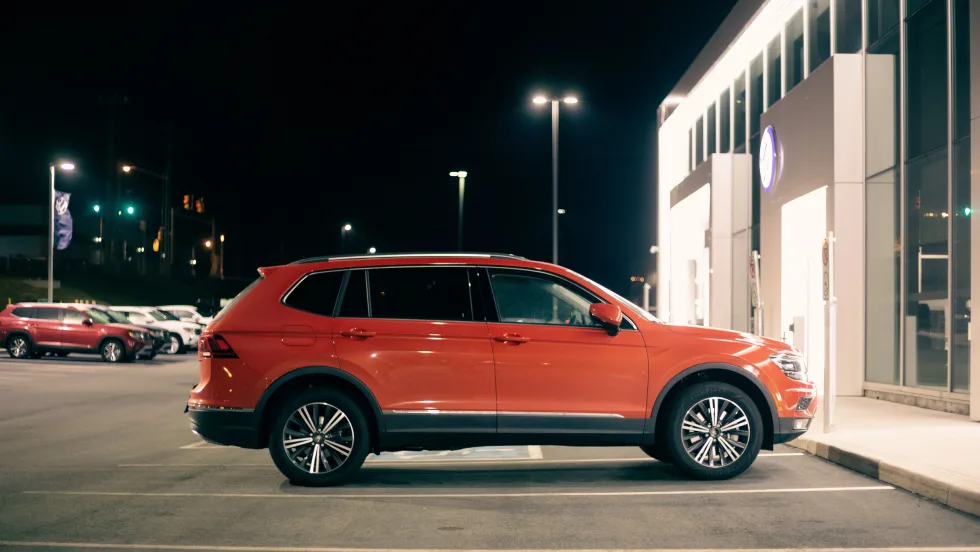
Dealers a Little Down
A third-quarter Cox Automotive survey finds them in a mixed mood, bummed by fallen customer traffic but encouraged by better profits, costs and EV interest.
Read More →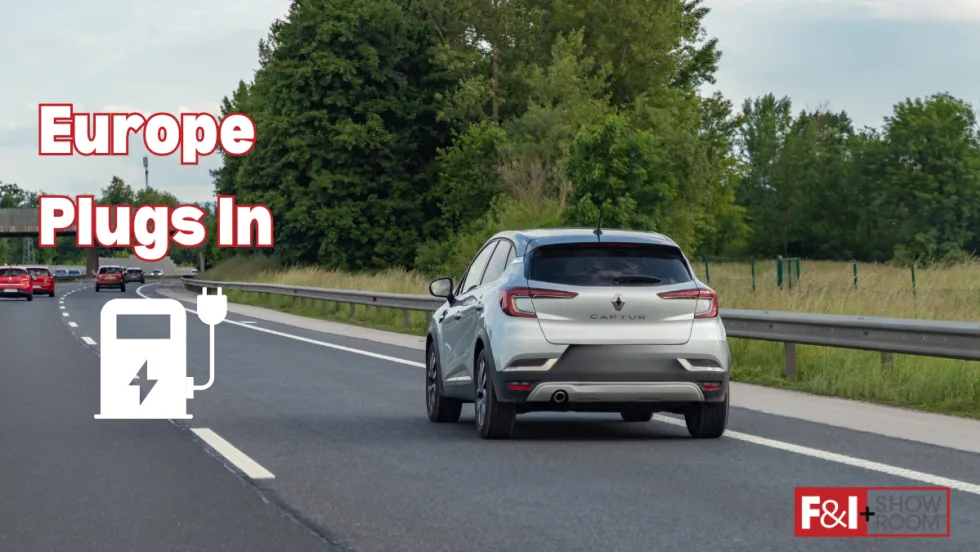
European EV Sales Skyrocket
The EV market on the continent held strong in July with almost 25% of new-car sales being fully electric units, a stark contrast to the U.S., where EV sales declined about 42%.
Read More →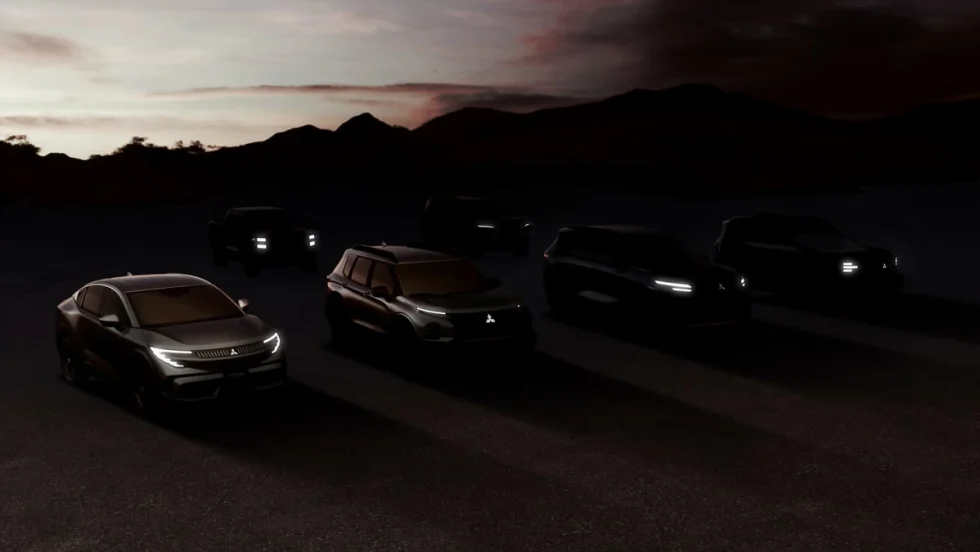
Mitsubishi Unveils U.S. Plan
The automaker announced a strategy that includes an expanded lineup and dealership presence, along with more ‘rugged’ and electric models.
Read More →
Used Lots Getting the Business
Many consumers are seeking out the units to save money, and the demand – higher in July than normal – is keeping supply limited and prices up.
Read More →
Used Market Stabilizes
The Carfax Used Car Index noted a major drop in used-vehicle price increases in July after several months of hikes.
Read More →