



Though EV Sales Will Triple by 2025, More Will Be Needed to Reach Net Zero
The window to get the world’s road emissions to carbon neutrality by 2050 is ‘closing quickly,’ BloombergNEF (BNEF) says in its latest Electric Vehicle Outlook.

https://ourgoodbrands.com/
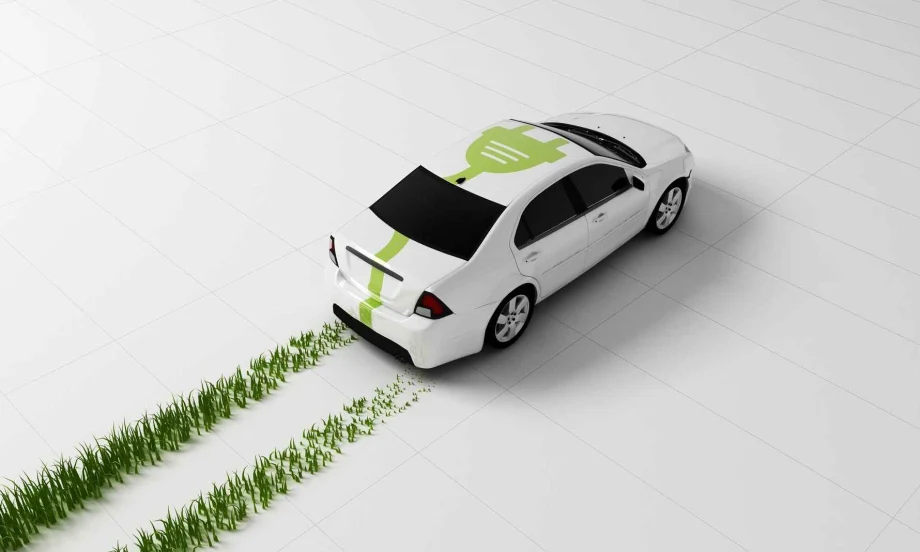
Electric vehicle sales are expected to more than triple by 2025. Still, BloombergNEF call for greater action in its 7th annual Long-Term Electric Vehicle Outlook
Though BNEF analysts deem EVs “a remarkable success story” and predict plug-in passenger vehicle sales will hit 20.6 million by 2025, they warn replacing 1.2 billion passenger vehicles on the road that run on internal combustion engines will take time.
BNEF finds slightly over two-thirds of the global fleet will be zero-emission by 2050, without enacting new policies or regulations. Heavier commercial vehicles trail further behind, with just 29% of the fleet expected to decarbonize by then.
“Despite the rapid rise in EV adoption, road transport is still not on track for carbon neutrality by 2050,” analysts led by Colin McKerracher, BNEF’s head of advanced transport, write in the report. “Aggressive action from policymakers will be required, especially on heavier vehicles where both batteries and hydrogen fuel cells are vying for a place in the market. The window to stay on track for net zero is closing quickly.”
The 201-page report covers the opportunities electric vehicles present, the impact they may have and the risks they face. It also highlights how governments can combat car dependency and make the transition easier.
As EV popularity grows, worldwide sales of internal combustion engine vehicles are in decline, after peaking in 2017, according to BNEF. The global fleet of combustion vehicles will start to shrink in 2024, and by the following year, deliveries will drop roughly 19% from their highest point.
EVs of all types will trim oil use by 2.5 barrels a day by 2025. BNEF also expects gasoline demand to peak in 2026 with total oil demand from road transport to crest in 2027. The amount of CO2 emitted is expected to rise for two years after oil demand peaks, due to additional emissions from power plants supplying electricity to the fleet.
BNEF predicts Germany, the UK, France and China will come close to phasing out combustion vehicle sales by 2038. The US, Japan and Australia will trail behind, with India, Southeast Asia, Mexico, Brazil, Turkey and Russia even further back
“Without additional policies in those countries, the net-zero trajectory will remain out of reach for global road transport,” the analysts write. “Air quality in urban areas is already markedly different between wealthy and emerging economies, and this gap will widen further” unless EV adoption improves.
BNEF’s research finds $1.4 trillion of investment will be needed to build out enough charging infrastructure by 2040. Scaling up networks quickly enough to keep pace with EV uptake will challenge countries, especially in the U.S. where average annual public charging installs need to increase sixfold in the next four years.
Supplies of lithium, cobalt, manganese and nickel — key EV battery ingredients — will remain steady, with China dominating battery production.
The point when pack prices will drop below $100 per kilowatt hour — a widely cited benchmark around which battery costs are competitive with combustion engines — is less certain because of significant cost pressures.
“If raw material prices remain elevated or climb further, this could delay the timeline by a couple of years, out from 2024 in most markets,” the analysts write.
Still, the analysts do not expect rising battery costs to derail EV adoption. The factors driving high battery raw material costs include war, inflation, and trade friction are also pushing the price of gasoline and diesel to record highs, which will increase consumer interest in EVs.
Originally posted on Auto Dealer Today
More Showroom

California Sees Quarterly Gains
California’s new-vehicle market saw a boost in hybrids in the third quarter and its first overall quarterly market gain of the year.
Read More →
New-Vehicle Prices Stay Put
Affordability pressures and model availability shaped new-vehicle sales in September, according to an analysis by Kelley Blue Book.
Read More →
EV Buyer Consideration Shifts
What drives American consumers to purchase an electric vehicle is shifting as the question moves away from Should I?' to 'Which features and experience do I want to have?'
Read More →
Year-to-Date Auto Sales Holding Their Own
A forecast through August shows that automakers have shifted strategies to keep deliveries and revenues up despite tariffs and other economic challenges.
Read More →
Slow to Robo
Ten years of polling consumers shows autonomous vehicles’ profiles have risen considerably, but even more people now want at least some level of control if they go that route.
Read More →
Dealers a Little Down
A third-quarter Cox Automotive survey finds them in a mixed mood, bummed by fallen customer traffic but encouraged by better profits, costs and EV interest.
Read More →
European EV Sales Skyrocket
The EV market on the continent held strong in July with almost 25% of new-car sales being fully electric units, a stark contrast to the U.S., where EV sales declined about 42%.
Read More →
Mitsubishi Unveils U.S. Plan
The automaker announced a strategy that includes an expanded lineup and dealership presence, along with more ‘rugged’ and electric models.
Read More →
Used Lots Getting the Business
Many consumers are seeking out the units to save money, and the demand – higher in July than normal – is keeping supply limited and prices up.
Read More →
Used Market Stabilizes
The Carfax Used Car Index noted a major drop in used-vehicle price increases in July after several months of hikes.
Read More →