



Toyota to Adopt EV First Mindset
Toyota Motor Corp’s next chief executive, Koji Sato, is calling for an “EV-first mindset” for the Japanese automaker.


Toyota Motor Corp’s next chief executive, Koji Sato, is calling for an “EV-first mindset” for the Japanese automaker.
IMAGE: Pixabay
Toyota Motor Corp’s next chief executive, Koji Sato, is calling for an “EV-first mindset” for the Japanese automaker.
This mindset, Sato says, will accelerate development of parts and manufacturing methods optimized for electric vehicles.
“We need to drastically change how we do business,” said Sato, who will take over as CEO in April.
Sato reported Toyota will develop new EVs for its luxury Lexus brand by 2026 using an EV-specialized manufacturing platform—the underlying architecture on which various models can be built.
The use of an EV-specialized platform is new. Until now Toyota has manufactured EVs on existing production platforms. Its current EV manufacturing platform is partly repurposed from a gasoline-powered vehicles line. In addition, it’s EVs are assembled on lines that also produce other types of cars.
Sato says Lexus will lead this new strategy, which will ultimately extend beyond just Lexus. Toyota will continue to expand its current EV lineup, he said.
Toyota previously reported plans to make its Lexus brand all-EV by 2035. Sato will lead Lexus until he starts as CEO in April. He reported Toyota would announce more specifics about its EV strategy after he officially assumes his new role.
Toyota hopes that by making bigger upfront investments in EV-dedicated parts and manufacturing, it can make its EV business more efficient and take advantage of economies of scale. The automaker also hopes to manufacture its own batteries and invest in the supply chain for battery parts rather than rely on ready-made batteries from outside suppliers.
Today, Toyota leads the industry in selling hybrid gas-electric vehicles, a technology it pioneered with the Prius in the late 1990s. However, its EV sales made up less than 1% of Toyota and Lexus retail sales in 2022. By 2030, the company hopes EV sales comprise a third of its annual sales of roughly 10 million vehicles.
Sato wants the automaker to continue offering a range of options, including hybrids and hydrogen-powered cars, rather than only offer EVs. He says the car maker will “continue with an omnidirectional approach without wavering.”
He adds, the EVs the company manufacturers will be “uniquely Toyota.”
“We’ve seen the kind of EVs we are aiming for,” he said. “Now that the timing is right, we will accelerate that development with a new approach.”
Originally posted on Auto Dealer Today
More Showroom

California Sees Quarterly Gains
California’s new-vehicle market saw a boost in hybrids in the third quarter and its first overall quarterly market gain of the year.
Read More →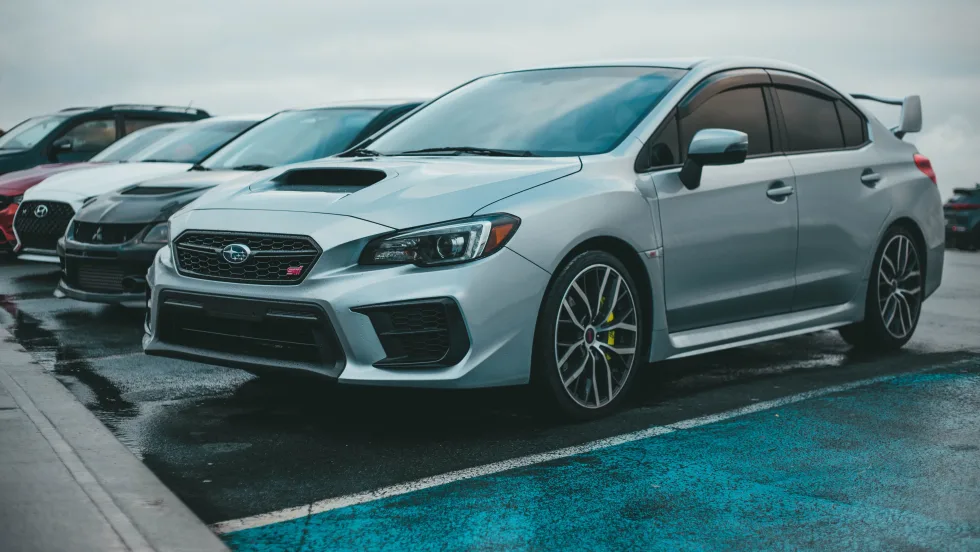
New-Vehicle Prices Stay Put
Affordability pressures and model availability shaped new-vehicle sales in September, according to an analysis by Kelley Blue Book.
Read More →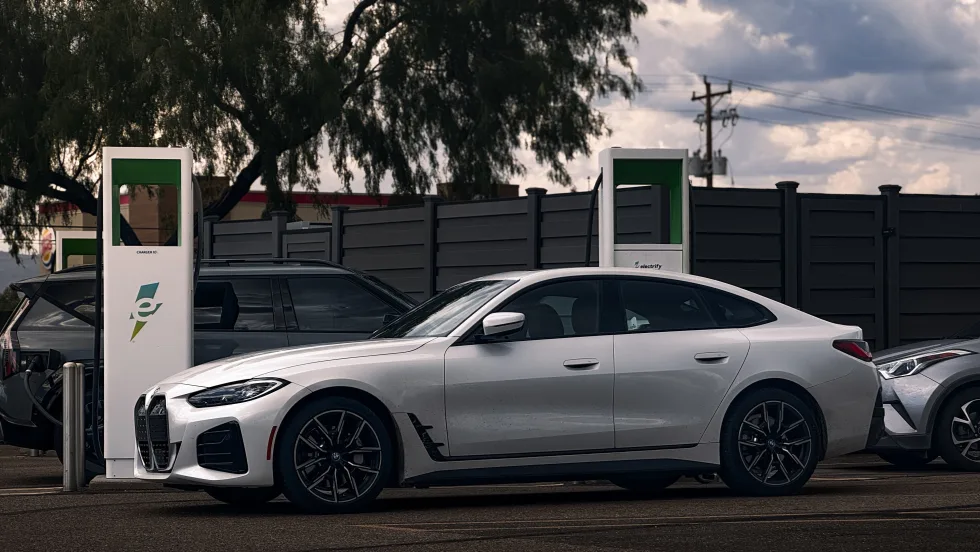
EV Buyer Consideration Shifts
What drives American consumers to purchase an electric vehicle is shifting as the question moves away from Should I?' to 'Which features and experience do I want to have?'
Read More →
Year-to-Date Auto Sales Holding Their Own
A forecast through August shows that automakers have shifted strategies to keep deliveries and revenues up despite tariffs and other economic challenges.
Read More →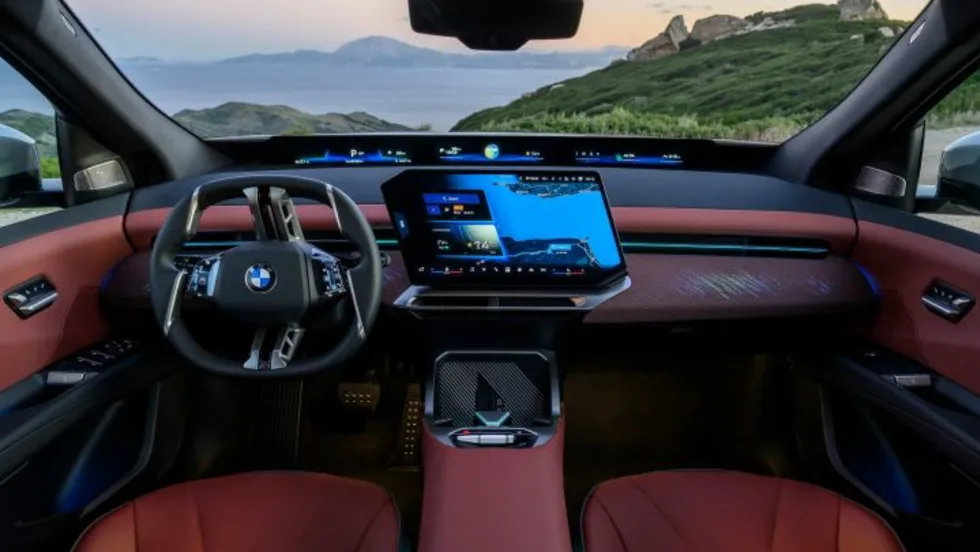
Slow to Robo
Ten years of polling consumers shows autonomous vehicles’ profiles have risen considerably, but even more people now want at least some level of control if they go that route.
Read More →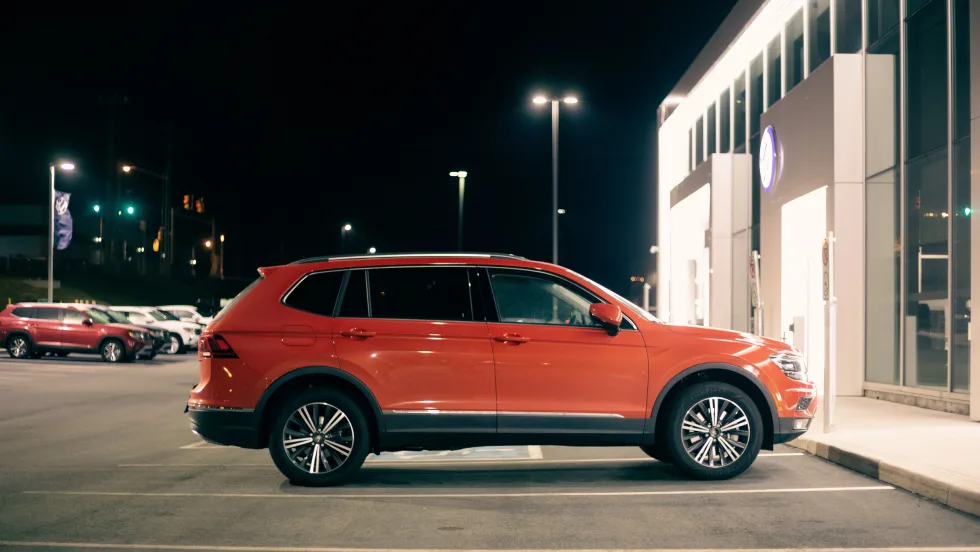
Dealers a Little Down
A third-quarter Cox Automotive survey finds them in a mixed mood, bummed by fallen customer traffic but encouraged by better profits, costs and EV interest.
Read More →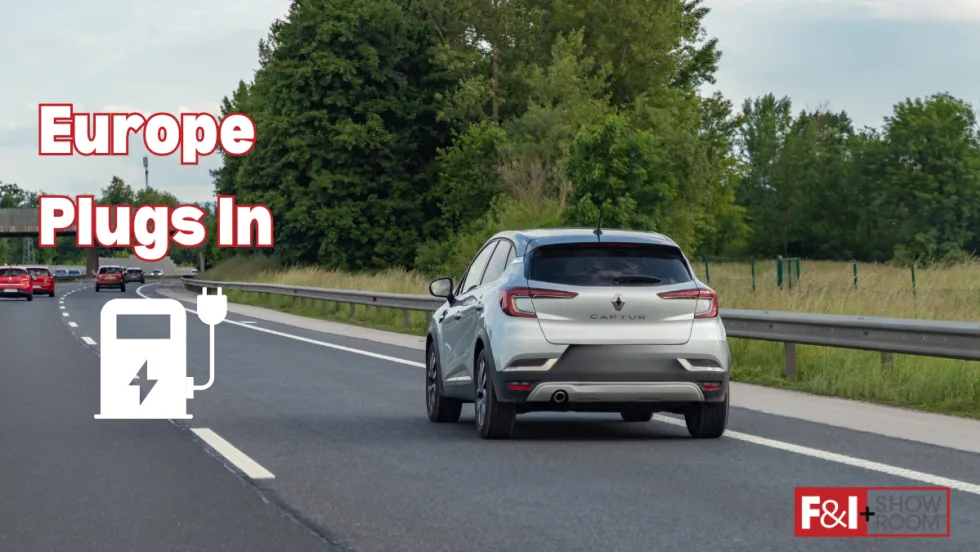
European EV Sales Skyrocket
The EV market on the continent held strong in July with almost 25% of new-car sales being fully electric units, a stark contrast to the U.S., where EV sales declined about 42%.
Read More →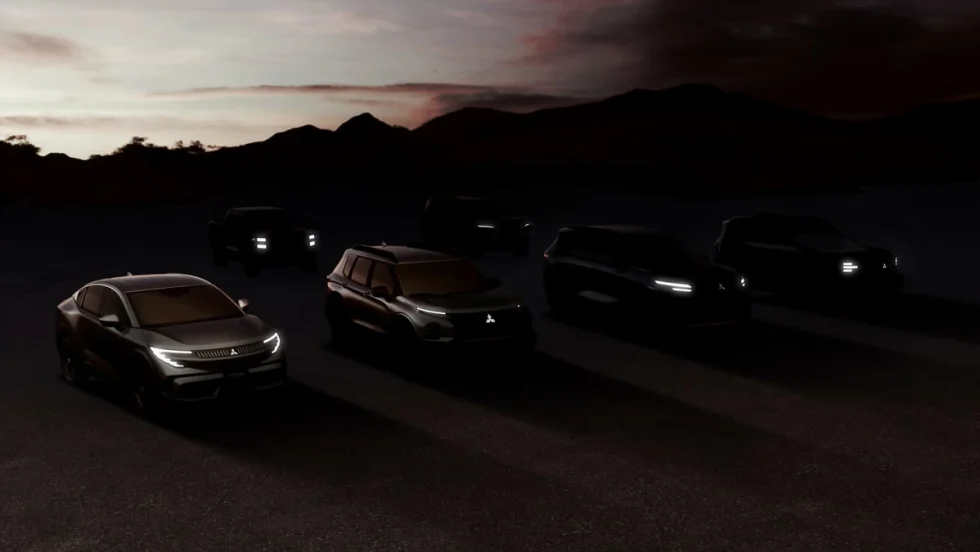
Mitsubishi Unveils U.S. Plan
The automaker announced a strategy that includes an expanded lineup and dealership presence, along with more ‘rugged’ and electric models.
Read More →
Used Lots Getting the Business
Many consumers are seeking out the units to save money, and the demand – higher in July than normal – is keeping supply limited and prices up.
Read More →
Used Market Stabilizes
The Carfax Used Car Index noted a major drop in used-vehicle price increases in July after several months of hikes.
Read More →