



U.S. Dealers Remain Optimistic Despite External Threats
Concerns over the economy and political climate failed to discourage franchised and independent retailers surveyed for Cox Automotive’s latest Dealer Sentiment Index.


Fifty-nine percent of franchised dealers and 30% of independent dealers surveyed by Cox Automotive believe import tariffs will have a negative effect on their businesses.
Photo by Julius Silver via Pixabay
ATLANTA — According to the Q4 2019 Cox Automotive Dealer Sentiment Index, U.S. automobile dealers continue to view the current market as negative, with an index score of 47. The slight decrease from Q3’s current market index of 48 was not statistically significant.
The index reading of 47 indicates that slightly more dealers feel that the current market is weak compared to the number who feel the current market is strong.
Read: Cox: Franchised, Independent Dealers See Two Different Markets
As the CADSI has consistently demonstrated, the current market sentiment skews more positive for franchised auto dealers, operations that sell both new and used vehicles, compared to independent dealers, those who focus only on used-vehicle sales, analysts noted.
The gap narrowed this quarter, however, as franchised dealers became less positive — decreasing from 56 in Q3 to 51 in Q4 — while independent dealers remained negative at 46, unchanged from Q3.
“The fourth quarter seems to be revealing an important turning point for dealer sentiment especially compared to this time last year when views of the future dimmed,” said Cox Automotive Chief Economist Jonathan Smoke. “Independents are more optimistic about the next 90 days, and that improvement is related to increasing used-vehicle inventory. Franchises have similar positive views of the future as they did at the end 2018. However, dealers remain concerned about the economy as well as the usual seasonal decline that impacts parts of the country more severely than others.”
When asked about factors holding back the business, dealers in aggregate remained fairly consistent in Q4, although “economy” entered the top five and pushed “expenses” to the sixth spot.
When it comes to views of the future, franchised and independent dealers moved closer together in Q4. Franchised dealers’ sentiment scored 54, down from 57 in Q3, while independents’ sentiment increased from 49 to 51, an improvement that is likely driven by to growing used-vehicle inventory as well as increasing profits.
The overall future index score of 51 in Q4 is better than last year and equal to Q3, signaling a better end to 2019 and sustainable opportunities expected in the used-vehicle market, according to Smoke.
When asked about factors holding back the business, dealers in aggregate remained fairly consistent in Q4, although “economy” entered the top five and pushed “expenses” to the sixth spot. “Market conditions” remained in the top spot as the most cited negative factor for both groups. “Competition” stayed in second place for both as well.
Originally posted on Auto Dealer Today
More Showroom

California Sees Quarterly Gains
California’s new-vehicle market saw a boost in hybrids in the third quarter and its first overall quarterly market gain of the year.
Read More →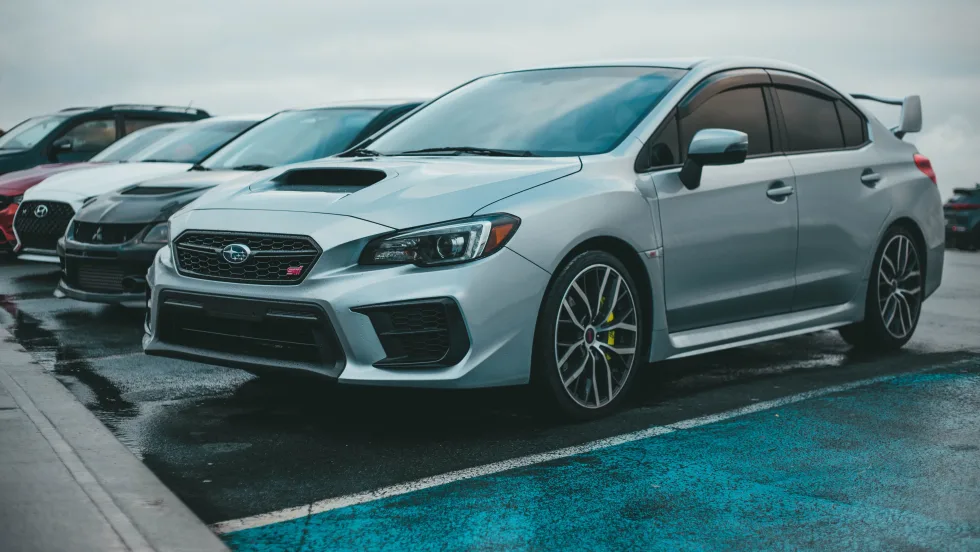
New-Vehicle Prices Stay Put
Affordability pressures and model availability shaped new-vehicle sales in September, according to an analysis by Kelley Blue Book.
Read More →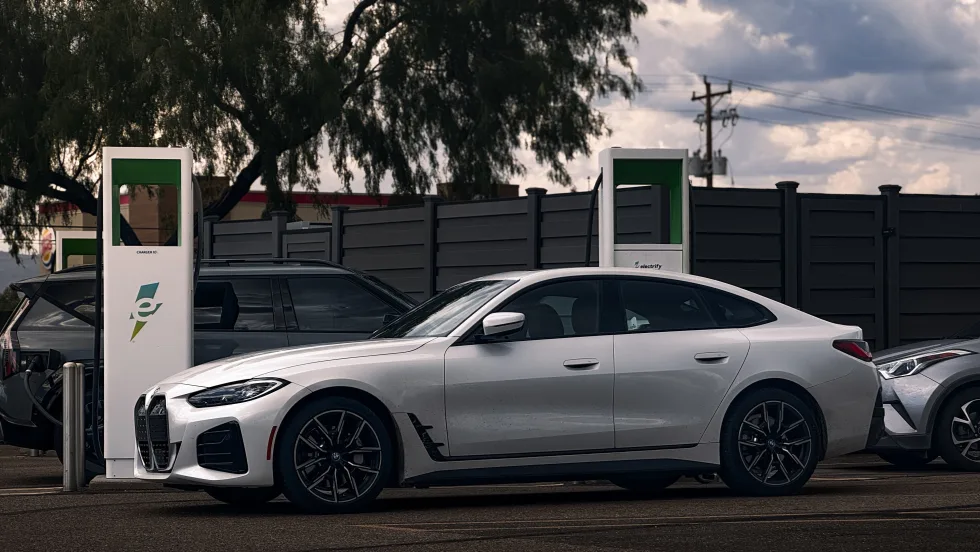
EV Buyer Consideration Shifts
What drives American consumers to purchase an electric vehicle is shifting as the question moves away from Should I?' to 'Which features and experience do I want to have?'
Read More →
Year-to-Date Auto Sales Holding Their Own
A forecast through August shows that automakers have shifted strategies to keep deliveries and revenues up despite tariffs and other economic challenges.
Read More →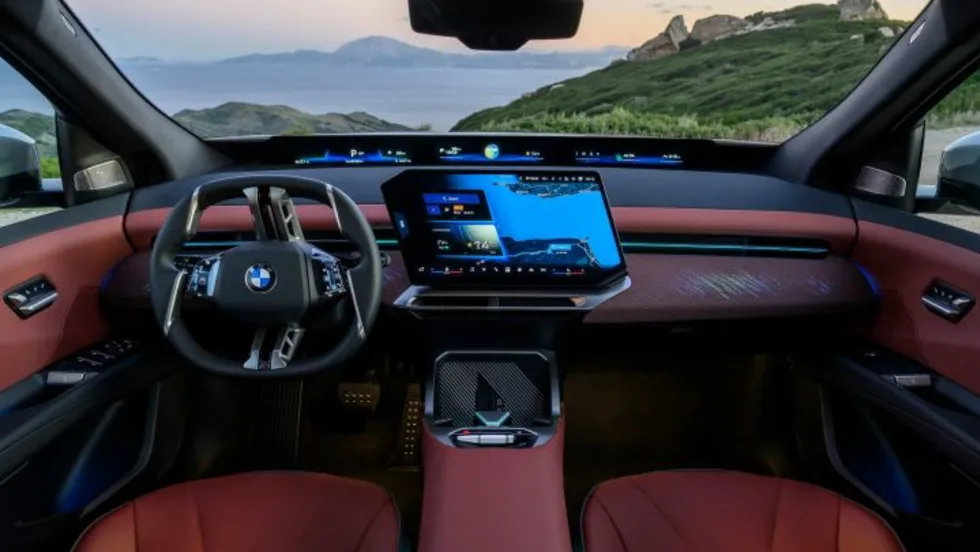
Slow to Robo
Ten years of polling consumers shows autonomous vehicles’ profiles have risen considerably, but even more people now want at least some level of control if they go that route.
Read More →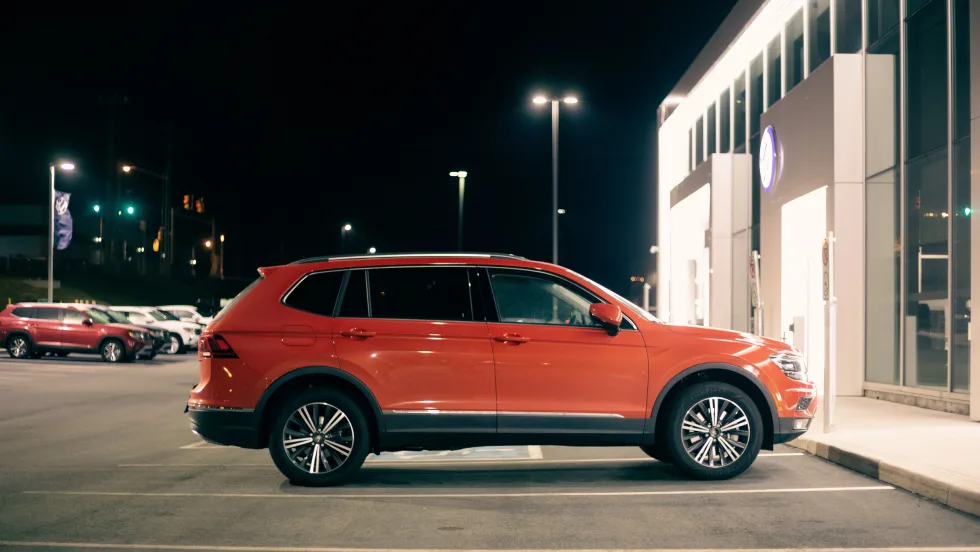
Dealers a Little Down
A third-quarter Cox Automotive survey finds them in a mixed mood, bummed by fallen customer traffic but encouraged by better profits, costs and EV interest.
Read More →
European EV Sales Skyrocket
The EV market on the continent held strong in July with almost 25% of new-car sales being fully electric units, a stark contrast to the U.S., where EV sales declined about 42%.
Read More →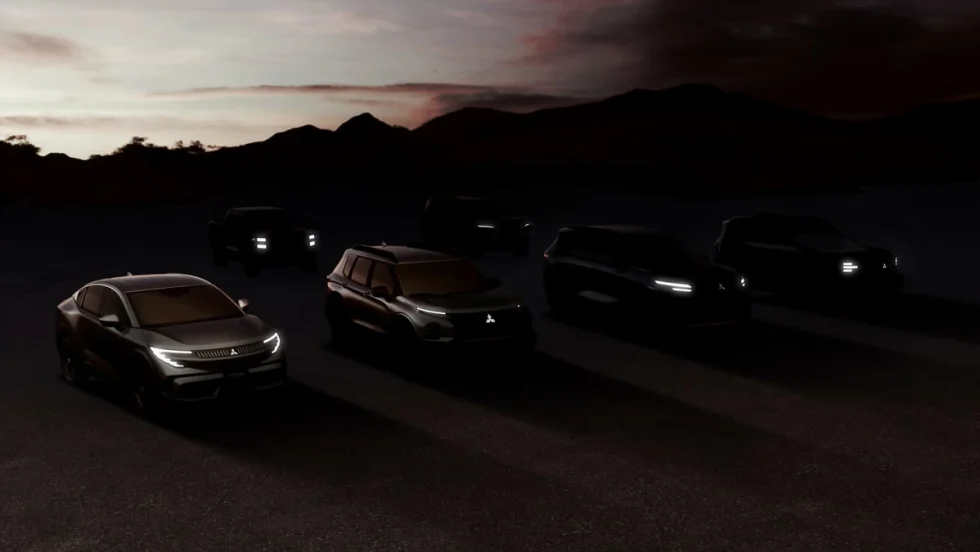
Mitsubishi Unveils U.S. Plan
The automaker announced a strategy that includes an expanded lineup and dealership presence, along with more ‘rugged’ and electric models.
Read More →
Used Lots Getting the Business
Many consumers are seeking out the units to save money, and the demand – higher in July than normal – is keeping supply limited and prices up.
Read More →
Used Market Stabilizes
The Carfax Used Car Index noted a major drop in used-vehicle price increases in July after several months of hikes.
Read More →