



Used-Vehicle Volumes Up 4.1% Among Privately Owned Dealers
Haig Partners’ Q2 report charts an astonishing 60% drop in buy/sell activity among U.S. auto dealerships and finds privately held stores and groups are increasingly focused on pre-owned sales.

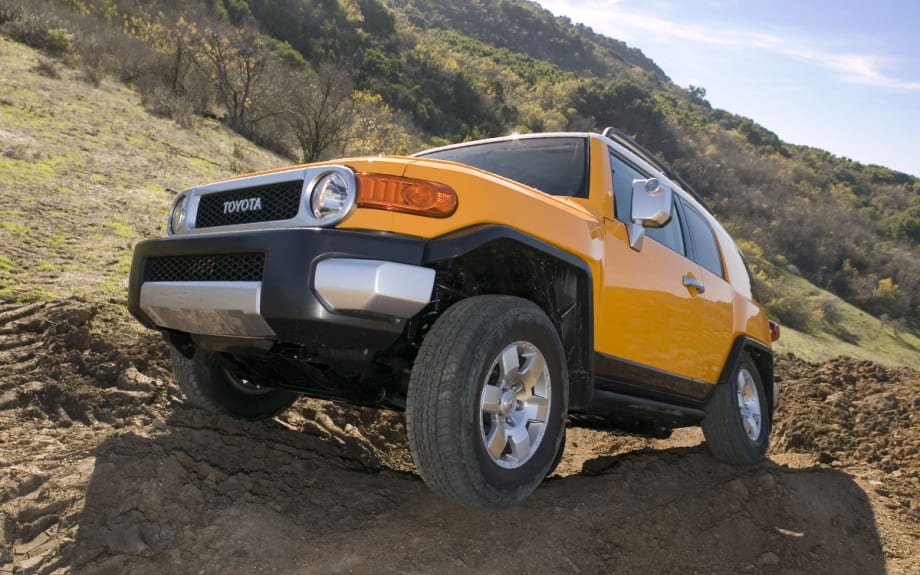
Haig Partners analysts say second-quarter sales of used vehicles such as the discontinued but in-demand Toyota FJ Cruiser grew by more than 4% year-over-year for privately owned dealerships.
Photo courtesy Toyota Motor Sales USA
FT. LAUDERDALE, Fla. — The latest edition of The Haig Report, produced on a quarterly basis by buy/sell firm Haig Partners, finds the number of high-value dealerships bought and sold in the U.S. decreased by 60% in the second quarter of 2019, compared to an “exceptionally busy” Q2 2018.
The report found the number of dealerships that traded hands fell from 122 to 49 year-over-year. Acquisition spending in the first two quarters of 2019 by publicly traded auto retailers is less than half of that spent in the same period of 2018.
Read: Pace of Dealership Acquisitions Slows in Q2
Analysts noted that private dealers are increasing their focus on used vehicles, with volume up 4.1% compared to last year and several clients achieving greater than 2:1 used to new ratio.
The pause in public company investments may be attributed to waiting to see the outcome of trade wars, tariffs and Federal Reserve actions unfolding. Thanks to a lift in dealership profits so far this year, the estimated average blue-sky value per dealership held steady from 2018.
“Given the large number of dealerships available for purchase, we think the rest of 2019 and 2020 will present excellent opportunities for groups looking to add scale.”
There are a large number of dealerships on the market for sale today due to aging owners, increasing complexity of operations, and a perception that smaller dealers will have greater difficulties competing with larger groups in the future, analysts noted.
“Auto dealers have managed to defy gravity and increase their profits compared to last year. The buy-sell market has suffered this year due to uncertainties in buyers’ minds about tariffs and the overall direction of the economy. But the ongoing strength of the auto retail industry is bringing buyers back to the table, and we believe that transaction activity will rebound to more normal levels in the second half of the year,” said Alan Haig, the firm’s president.
“Given the large number of dealerships available for purchase, we think the rest of 2019 and 2020 will present excellent opportunities for groups looking to add scale,” he added.
Originally posted on Auto Dealer Today
More Showroom

California Sees Quarterly Gains
California’s new-vehicle market saw a boost in hybrids in the third quarter and its first overall quarterly market gain of the year.
Read More →
New-Vehicle Prices Stay Put
Affordability pressures and model availability shaped new-vehicle sales in September, according to an analysis by Kelley Blue Book.
Read More →
EV Buyer Consideration Shifts
What drives American consumers to purchase an electric vehicle is shifting as the question moves away from Should I?' to 'Which features and experience do I want to have?'
Read More →
Year-to-Date Auto Sales Holding Their Own
A forecast through August shows that automakers have shifted strategies to keep deliveries and revenues up despite tariffs and other economic challenges.
Read More →
Slow to Robo
Ten years of polling consumers shows autonomous vehicles’ profiles have risen considerably, but even more people now want at least some level of control if they go that route.
Read More →
Dealers a Little Down
A third-quarter Cox Automotive survey finds them in a mixed mood, bummed by fallen customer traffic but encouraged by better profits, costs and EV interest.
Read More →
European EV Sales Skyrocket
The EV market on the continent held strong in July with almost 25% of new-car sales being fully electric units, a stark contrast to the U.S., where EV sales declined about 42%.
Read More →
Mitsubishi Unveils U.S. Plan
The automaker announced a strategy that includes an expanded lineup and dealership presence, along with more ‘rugged’ and electric models.
Read More →
Used Lots Getting the Business
Many consumers are seeking out the units to save money, and the demand – higher in July than normal – is keeping supply limited and prices up.
Read More →
Used Market Stabilizes
The Carfax Used Car Index noted a major drop in used-vehicle price increases in July after several months of hikes.
Read More →