



OEMs See Conditions Normalizing
More have moved away from agency model plans but see themselves taking more active role in customer relationships, Kerrigan Advisors poll finds.

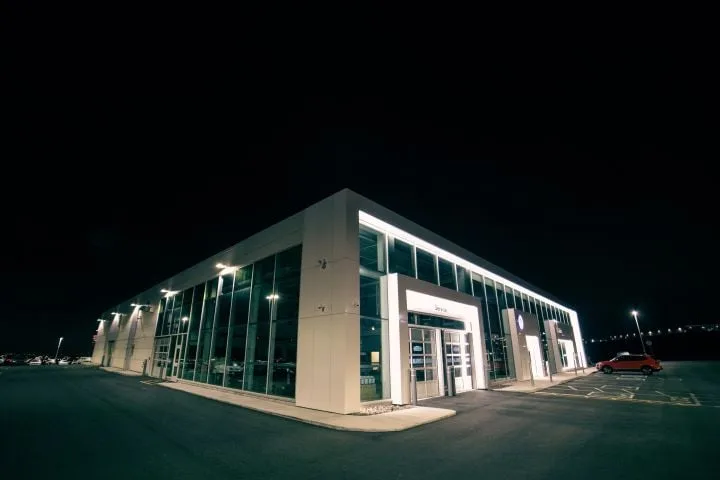
Most automakers said the agency model likely won’t make U.S. inroads in the next five years.
Pexels/Erik McIean
Automakers have a largely positive outlook on the industry in the next 12 months, according to a just-completed survey of more than 110 brands.
The annual Kerrigan Advisors OEM poll found most automakers see retail profit normalizing and, not surprisingly, a more gradual electric-vehicle ramp-up to realistically match consumer demand. A significant number also expect sales to increase.
Most survey respondents, 54%, anticipate decreased dealership profits over the next 12 months, compared to 69% in last year’s poll. Those expecting flat profits increased from 24% to 41%.
A minority of brands, or 38%, see new-vehicle gross margins returning to levels experienced before the pandemic. Conversely, 62% expect them to settle at 50% to more than 150% past 2019 levels.
While nearly half, 48%, project that sales will be flat, 44% see them on the rise, and a mere 8% expect a sales slump, all despite affordability pressures on consumers. That’s at least in part because automakers expect inventories to continue their upswing, 70% of them anticipating days’ supply normalizing at 60 to 90 days, up sharply from 38% last year.
In good news for auto dealers, Kerrigan says automakers’ slower-than-expected EV sales have changed their views on the agency sales model. A majority, or 57%, said the agency model likely won’t make U.S. inroads in the next five years, compared to 34% last year. A smaller share, 18%, said they anticipate more facility requirements for dealers, down from 32% last year.
As for the customer relationship and data, the survey found most brands expect that OEMs and dealers will share it in the next five years, while 19% think the automakers will assume that exclusively, up by 16%.
Originally posted on Auto Dealer Today
More Industry
Auto Nameplate Loyalty Holds in Tough Times
Consumers have been faithful to brands despite financial pressures, and JD Power says that’s because automakers have made some wise moves.
Read More →
Top New Jersey RV Store Sells
Myer’s RV Superstore is expanding its footprint in the state with two new locations that it acquired from Ed Hutchinson Jr.
Read More →
Alliance Analyzes Technician Pipeline
A new industry report examines the state of skilled trades in the U.S. and details the drivers of demand for automotive repair and how technicians enter and grow in the workforce.
Read More →
Luxury Rooftop Changes Hands
Genesis of Glenview is getting a new owner and a new location, but its name will stay the same.
Read More →
Future-Proof Your Business
A new industry outlook details several ways that automotive companies can use the rise in artificial intelligence and advanced technologies to their advantage.
Read More →
Dealership Buy-Sells Keep Going Up
First-half transactions reflect continued high appetite for acquisitions despite falling profits, the most sought-after franchises bringing record prices.
Read More →
California Makes Electric Moves
New laws in the Golden State aim to advance consumer access to public electric-vehicle chargers and reduce costs and barriers to its infrastructure.
Read More →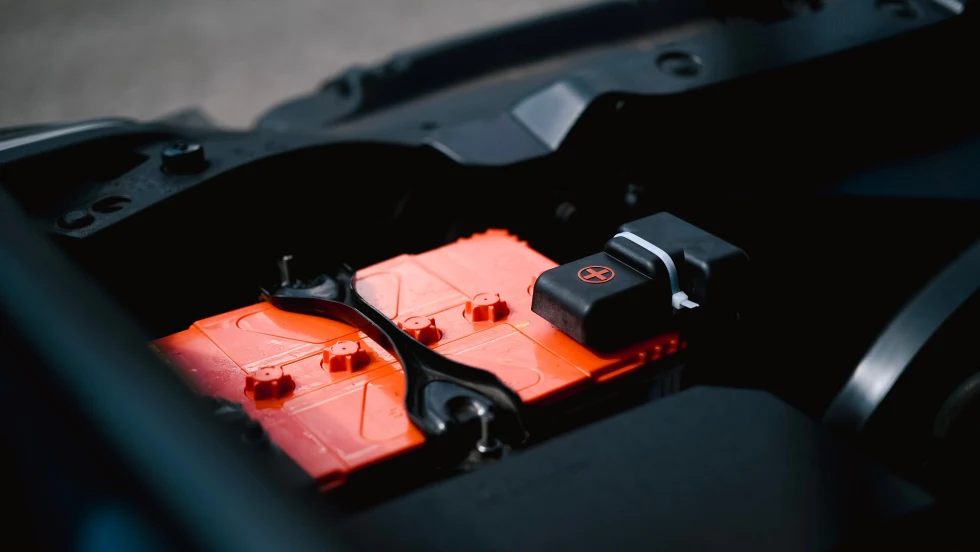
Rare Earths Independence
Automakers seek alternatives to sourcing battery raw materials in volatile markets roiled by trade wars and disrupted supply chains.
Read More →
Volvo Appoints President and CEO
Klaus Zellmer will replace Håkan Samuelsson as president and CEO of Volvo Cars in 2027 as the company makes strategic shifts toward profitability and cash generation.
Read More →
Fix Up Your Fixed Ops
The department may hold untapped potential for your dealership. There are ways to unearth it and turn it around for more profits.
Read More →