



Feds Sued Over AEB Rule
Alliance for Automotive Innovation says its protests over some provisions weren’t heeded, seeks repeal over what it considers unrealistic requirements.


Group says lawsuit intended to ensure a rule to maximize driver and pedestrian safety 'is technologically feasible.'
Pexels/Taras Makarenko
An auto industry lobbying group sued the U.S. Department of Transportation over a 2024 rule that requires all new vehicles to come with automatic emergency brakes by the fall of 2029.
The Alliance for Automotive Innovation seeks repeal of the rule, saying certain aspects of it are impractical with current technology and that automakers have already voluntarily installed AEB systems on all new vehicles.
As the National Highway Traffic Safety Administration developed the rule, the alliance protested provisions requiring AEB systems to stop vehicles at speeds of up to 62 mph to avoid hitting vehicles in front of them and to detect pedestrians in daylight and at night, as well as a requirement that the brakes automatically engage at up to 90 mph when the vehicle is about to hit a lead vehicle and at up to 45 mph if the system detects a pedestrian in the car’s path.
The alliance said its lawsuit shouldn’t be interpreted as opposition to AEB systems or to their “widest possible deployment,” but as an attempt to make regulations around them realistic. It said automakers have in fact spent more than $1 billion developing the technology.
“… this litigation is about ensuring a rule that maximizes driver and pedestrian safety and is technologically feasible,” the alliance said in a statement on the lawsuit.
More Industry
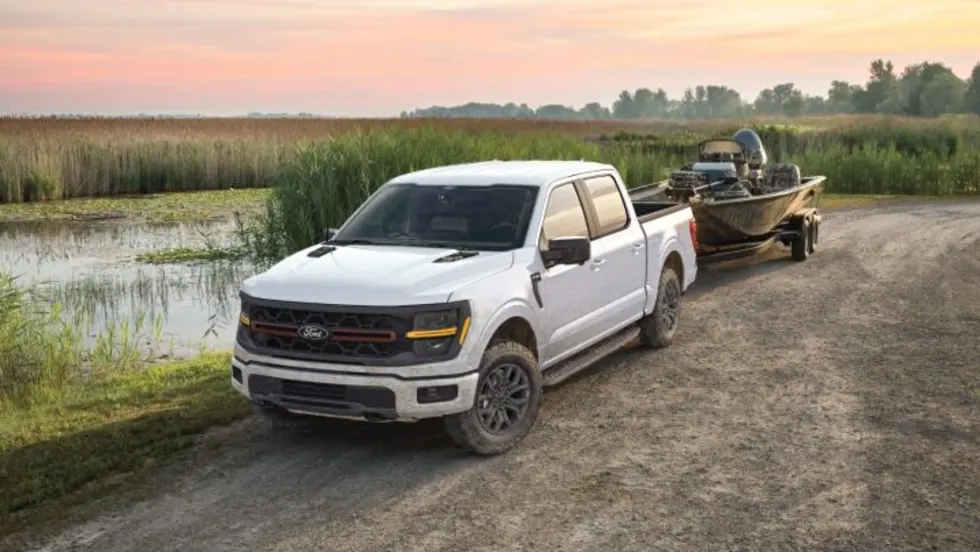
Auto Nameplate Loyalty Holds in Tough Times
Consumers have been faithful to brands despite financial pressures, and JD Power says that’s because automakers have made some wise moves.
Read More →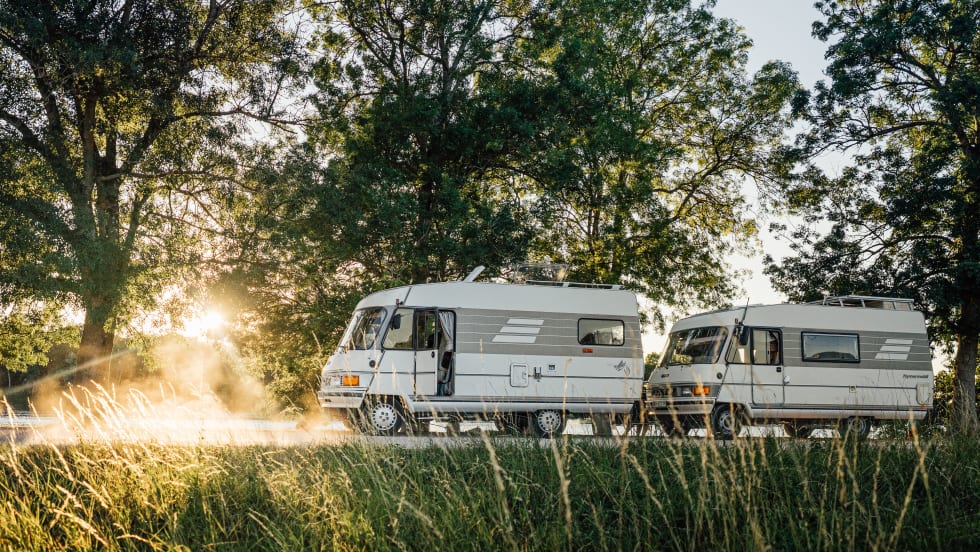
Top New Jersey RV Store Sells
Myer’s RV Superstore is expanding its footprint in the state with two new locations that it acquired from Ed Hutchinson Jr.
Read More →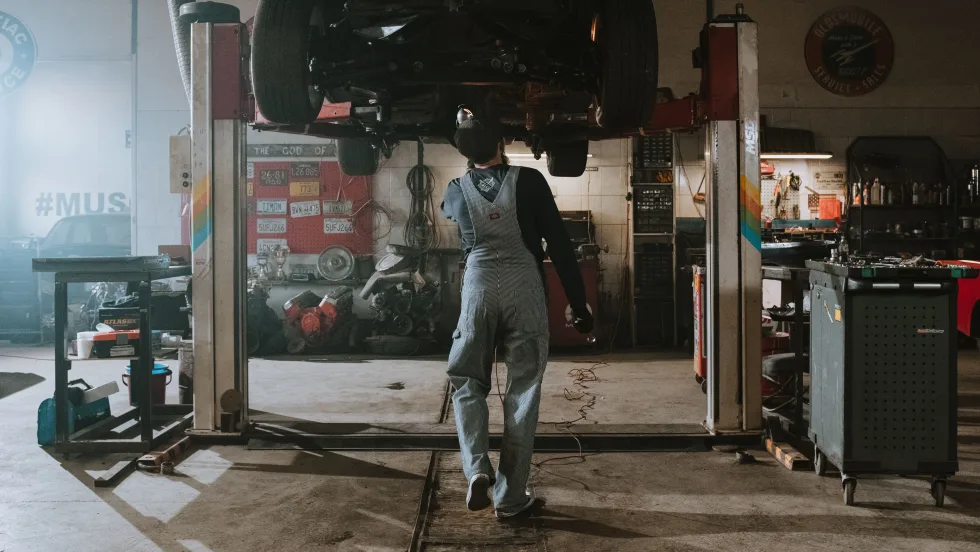
Alliance Analyzes Technician Pipeline
A new industry report examines the state of skilled trades in the U.S. and details the drivers of demand for automotive repair and how technicians enter and grow in the workforce.
Read More →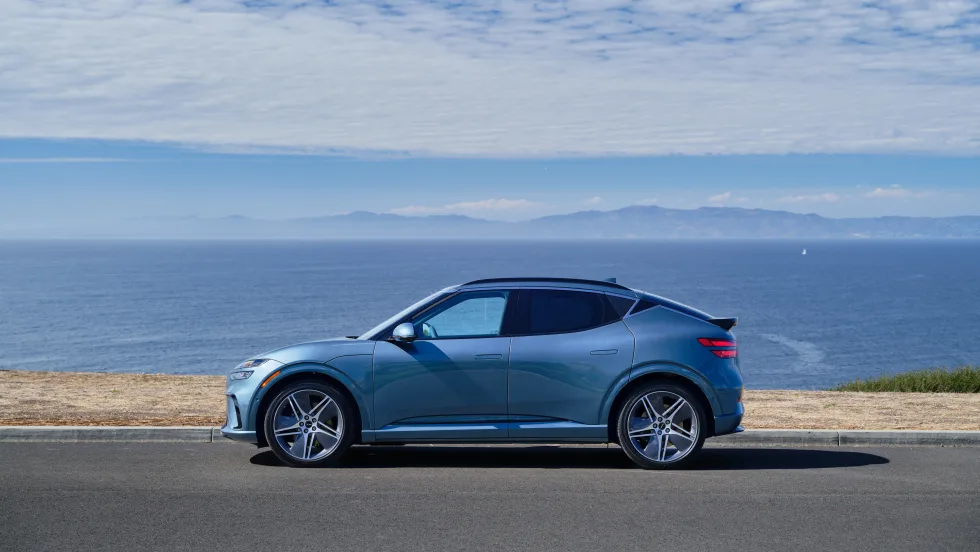
Luxury Rooftop Changes Hands
Genesis of Glenview is getting a new owner and a new location, but its name will stay the same.
Read More →
Future-Proof Your Business
A new industry outlook details several ways that automotive companies can use the rise in artificial intelligence and advanced technologies to their advantage.
Read More →
Dealership Buy-Sells Keep Going Up
First-half transactions reflect continued high appetite for acquisitions despite falling profits, the most sought-after franchises bringing record prices.
Read More →
California Makes Electric Moves
New laws in the Golden State aim to advance consumer access to public electric-vehicle chargers and reduce costs and barriers to its infrastructure.
Read More →
Rare Earths Independence
Automakers seek alternatives to sourcing battery raw materials in volatile markets roiled by trade wars and disrupted supply chains.
Read More →
Volvo Appoints President and CEO
Klaus Zellmer will replace Håkan Samuelsson as president and CEO of Volvo Cars in 2027 as the company makes strategic shifts toward profitability and cash generation.
Read More →
Fix Up Your Fixed Ops
The department may hold untapped potential for your dealership. There are ways to unearth it and turn it around for more profits.
Read More →