



Diciest Driving Cities’ Drivers Pay Dearly
Research ranks populous cities, tallies the cost in insurance premiums.

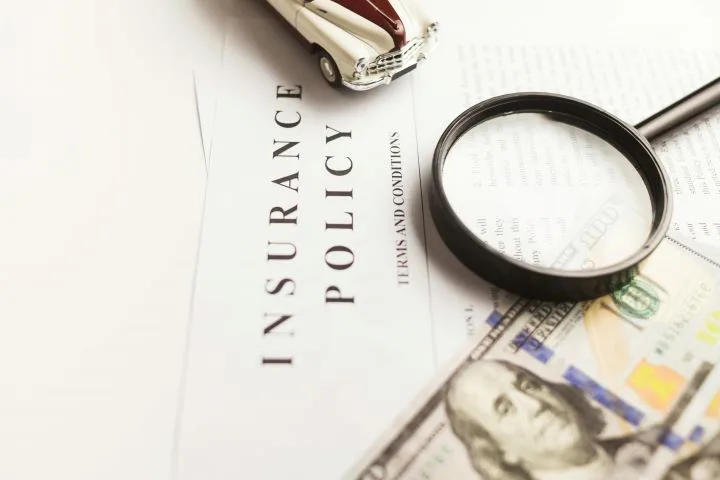
The most dangerous driving city of Boston's average annual full-coverage insurance cost with a crash on the driver’s record is $3,540.
Pexels/Vlad Deep
The densely populated cities of both U.S. coasts, with their congested streets, tend to have the most dangerous roads, based on an Allstate analysis of 2022 and 2023 crash damage insurance claims in the 200 most populous U.S. cities.
The Allstate research found that Boston insured drivers’ went an average of just three years between crashes, making it the most dangerous driving U.S. city.
The Massachusetts city’s average annual full-coverage insurance cost with a crash on the driver’s record is consequently $3,540, according to insurance comparison-shopping website Insurify, which said drivers in the dangerous-driving cities pay 84% more for auto insurance.
Boston is followed closely on the dubious list by Washington, D.C., Baltimore, Worchester and Springfield, Mass., and Glendale, Los Angeles and Oakland, Calif.
Since auto insurance premium costs are based on a variety of factors, Baltimore actually bears the heaviest annual full-coverage insurance cost burden for drivers with crashes at $7,008, Insurify found.
The city deemed the safest based on the same Allstate metrics is Brownsville, Texas, whose drivers went an average of 14 years between crashes. It’s followed by Boise, Idaho, Fort Collins, Colo., Cary, N.C., Laredo, Texas, Olathe, Kan., Scottsdale, Ariz., Port St. Lucie, Fla., Madison, Wisc., and Eugene, Ore.
The lowest average annual full-coverage insurance cost for crash-burdened drivers is $1,584 in Cary.
More F&I

Modern Technology Objection Handling
In this video, Trent White shares how to confidently handle technology-based objections by helping customers understand the value of protection, even with modern vehicle technology.
Read More →
Consistency at Scale: Driving F&I Performance
With 75 rooftops across the Sunshine State, Morgan Auto Group has proven to Floridians that it knows a thing or two about driving performance in a competitive market. But it didn’t start at the top.
Read More →
Gitty Up on GAP
The foundational finance-and-insurance product hasn’t kept up with the latest conditions for auto dealers. Is the time ripe?
Read More →
How AI-Powered Coaching Is Transforming F&I Performance
See how AI-powered coaching can turn F&I customer conversations into actionable insights that support compliance, performance and profitability
Read More →
Sell Value, Build Trust
In this video, Trent White explains why selling on value, not fear, builds lasting customer trust, reduces cancellations, and drives long-term success.
Read More →
F&I Sales Give Dealers First-Half Lift
Product business shored up total profits to avoid an overall revenue tanking as product penetrations held steady, StoneEagle reported.
Read More →
Targeted Training Drives Results
Today’s technology, instead of threatening F&I managers, can actually make them better, according to an industry veteran who’s watched market setbacks roil the unprepared.
Read More →
Double the Change, Double the Chance
When an F&I manager gets a customer refusal, it’s a wise move to tweak more than one thing in the product offering.
Read More →
Just Do It
F&I managers need training, but instead of resisting application or expecting perfection, they should improve by simply acting on what they learn.
Read More →
Dealer Lender Preferences Revealed
When lenders provide consistent, fast service, their overall satisfaction scores with dealers greatly improve, according to JD Power research.
Read More →