



Spectrum Automotive Declares National Sector Observance
First National Automotive Industry Day will be marked on Oct. 1

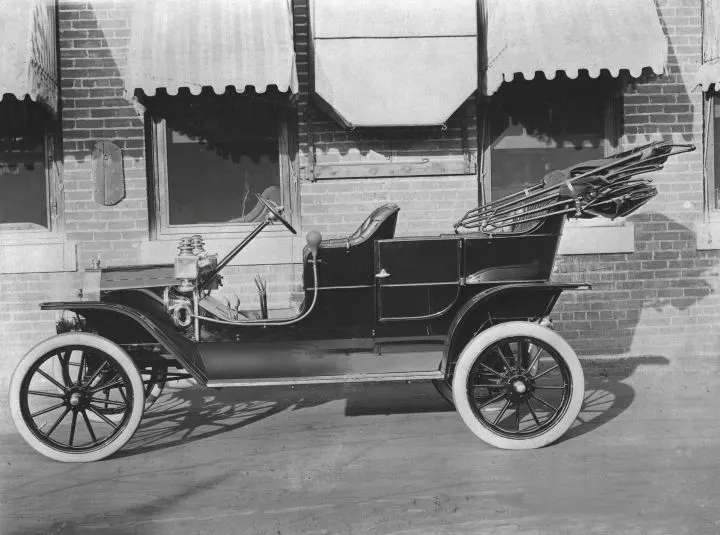
Spectrum Automotive chose the date of the first Model T's production for the national industry holiday.
Ford
Spectrum Automotive Holdings secured a national holiday recognizing the greater automotive industry, choosing Oct. 1 for the observance because that date in 1908, the first Model T was produced from Henry Ford's now famous assembly line. The company says the new production technology cut the time to build a vehicle from 12 hours to 93 minutes.
The company describes how and why it pursued the national industry holiday and what auto dealers can do to celebrate it each year:
What is National Automotive Industry Day? National Automotive Industry Day celebrates the automotive sector’s century-long role in shaping the U.S. economy, culture, and society. On Oct. 1, 1908, the first Ford Model T, considered by most to be the first mass-affordable automobile and the first car to come off an assembly line, was produced in a Detroit, Mich. Ford plant. By formally recognizing the industry’s historic achievements, immense economic contributions, cultural impact, and ongoing innovation, we honor the past and chart a vision for the automotive future.
How should National Automotive Industry Day be celebrated or observed? Social media promotion and celebrations across the automotive industry honoring employees, owners, trailblazers through education on the industry’s transformative nature
Why was National Automotive Industry Day created? It’s the perfect way to highlight and celebrate the automotive industry’s transformative staying power, in addition to it being a symbol of freedom and mobility. Overall, the automotive industry has provided for economic impact and job creation; cultural and social contributions, including pop culture iconography and formation of the middle class; environmental and technological innovation (green evolution and looking ahead to autonomous vehicles); educational and inspirational value (STEM, museums, innovation showcases for safety, fuel technologies, design); bridging communities and generations.
More Industry
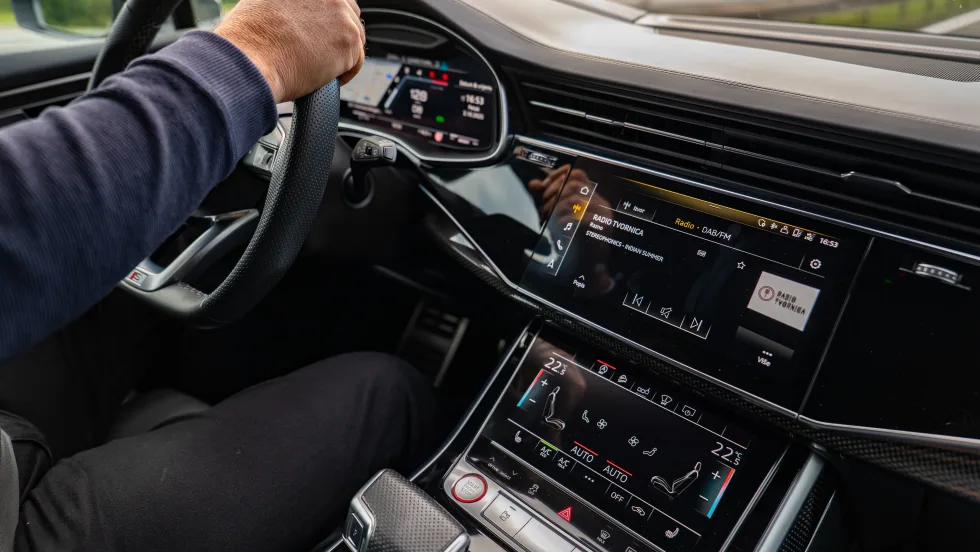
Connection Drives Consideration
Convenience and safety are top priorities for American drivers when it comes to connected vehicles and the services they expect with their next car.
Read More →
New-Vehicle Prices Stay Put
Affordability pressures and model availability shaped new-vehicle sales in September, according to an analysis by Kelley Blue Book.
Read More →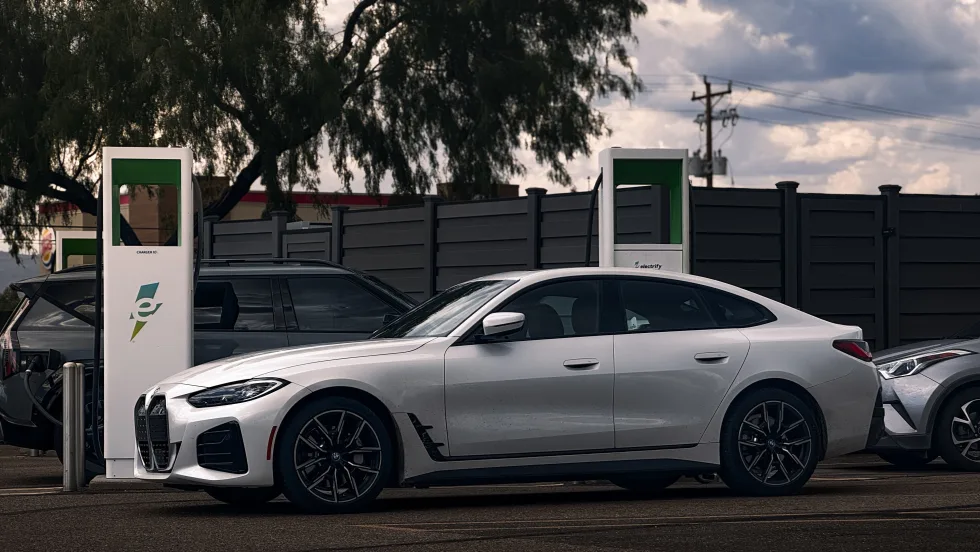
EV Buyer Consideration Shifts
What drives American consumers to purchase an electric vehicle is shifting as the question moves away from Should I?' to 'Which features and experience do I want to have?'
Read More →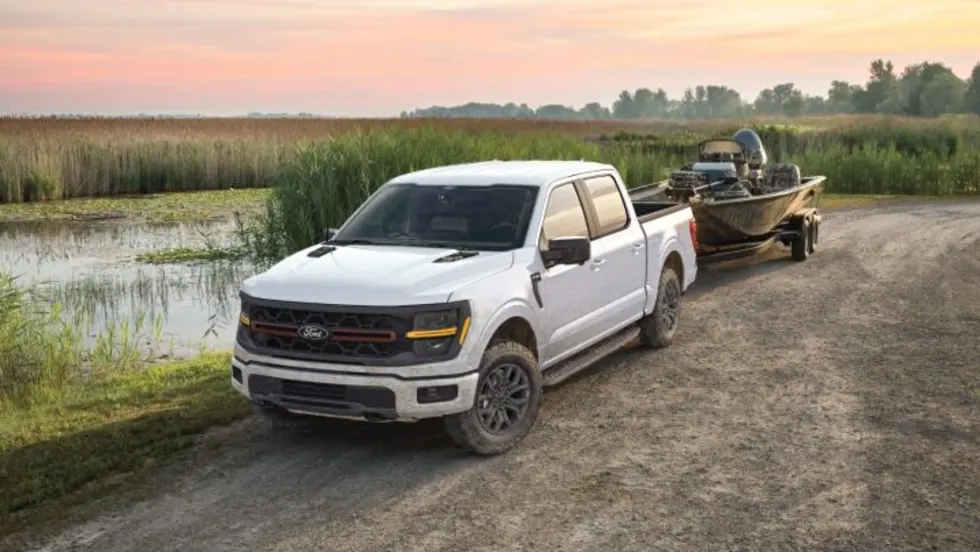
Auto Nameplate Loyalty Holds in Tough Times
Consumers have been faithful to brands despite financial pressures, and JD Power says that’s because automakers have made some wise moves.
Read More →
Top New Jersey RV Store Sells
Myer’s RV Superstore is expanding its footprint in the state with two new locations that it acquired from Ed Hutchinson Jr.
Read More →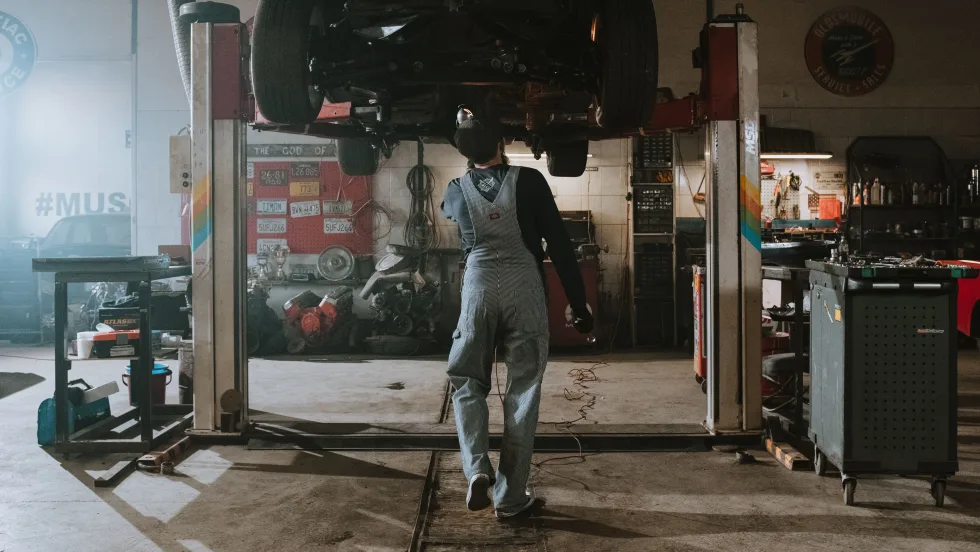
Alliance Analyzes Technician Pipeline
A new industry report examines the state of skilled trades in the U.S. and details the drivers of demand for automotive repair and how technicians enter and grow in the workforce.
Read More →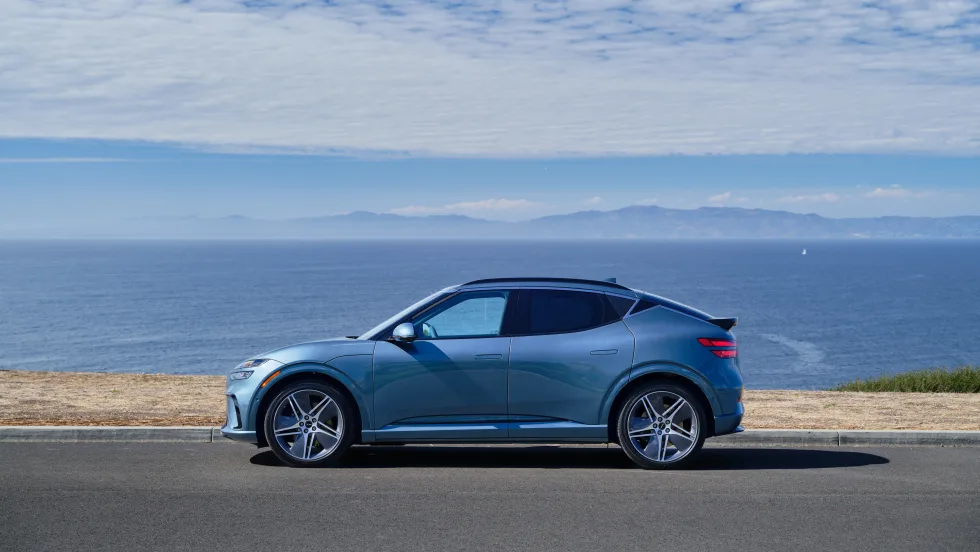
Luxury Rooftop Changes Hands
Genesis of Glenview is getting a new owner and a new location, but its name will stay the same.
Read More →
Future-Proof Your Business
A new industry outlook details several ways that automotive companies can use the rise in artificial intelligence and advanced technologies to their advantage.
Read More →
Dealership Buy-Sells Keep Going Up
First-half transactions reflect continued high appetite for acquisitions despite falling profits, the most sought-after franchises bringing record prices.
Read More →
California Makes Electric Moves
New laws in the Golden State aim to advance consumer access to public electric-vehicle chargers and reduce costs and barriers to its infrastructure.
Read More →