



Connected Car Technology Drives Service Retention and Reduced Time to Purchase
By providing customers with notifications about vehicle service, maintenance specials, recalls and more, dealerships are building lasting relationships with existing customers to improve retention.

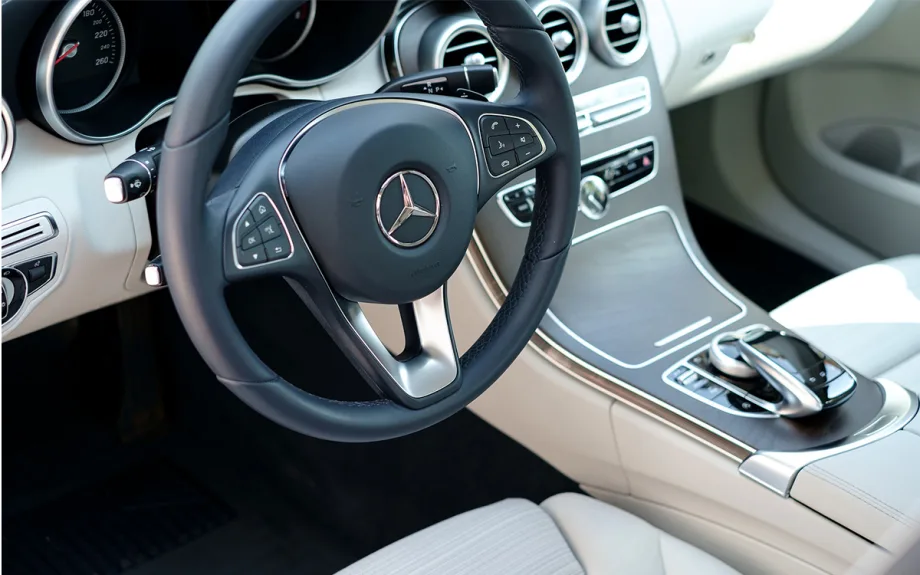
By providing customers with notifications about vehicle service, maintenance specials, recalls and more, dealerships are building lasting relationships with existing customers to improve retention.
In 2020, the automotive industry fell short of the forecasted 17.1 million new vehicles sold as the pandemic disrupted a five-year record of annual U.S. auto sales, resulting in a 15% decline year-over-year. The auto industry was expected to produce 700,000 fewer cars than planned for the first quarter of 2021, according to IHS Markit. In addition to reduced inventories, car dealerships also face a shift in consumer behavior. Many prospective buyers now expect digital shopping options, including extended test drives and home delivery.
To navigate these waters and make 2021 successful, car dealerships should equip sales teams with the best tools to provide a superb customer buying experience.
To navigate these waters and make 2021 successful, car dealerships should equip sales teams with the best tools to provide a superb customer buying experience. As the economy opens up, they should take advantage of the anticipated uptick of buyers with connected car technology. By adopting these new systems, dealerships can better manage their business by shortening sales processes with improved lot management, quickly coordinating socially distanced test drives, and building customer loyalty through fixed operations.
Shortening the Sales Process with Lot Management Data
The pressure to deliver exceptional customer service despite working with reduced staff and new safety protocols means backend operations are critical. The time it takes to buy a car is the biggest complaint consumers have with the process but connected car technology can actually speed up the sales process by 30 minutes.
By adding connected car technology, dealers can streamline the customer buying process by helping the sales team pinpoint the exact location for test drive vehicles. Using a simple app, they’re able to easily find vehicles for customers by make, model, trim, color, stock, VIN, and even battery level. In addition, dealers can also report on the current status of their entire inventory with deeper insight into inventory location, aging, security and usage.
From Brick-and-Mortar to At-Home Test Drives
Long before COVID-19, dealerships began to expand their online presence to meet changing preferences of consumers. While automotive has historically lagged behind other industries in implementing new transactional technology, the pandemic’s impact on retail operations has turbo-charged adoption. In fact, the success of e-commerce platforms, like Amazon, accustomed consumers to increasingly fast transaction times and at-your-door service.
For many dealers, remote and at-home test drives were seen as risky and cost prohibitive. Now, connected car technology safeguards vehicles throughout extended test drives and limits liability for the consumer. The ability to remotely monitor and record a vehicle’s location while conducting test drives allows potential buyers to assess a vehicle without a salesperson being there. Also, enabled through connected car technology, remote shopping options, home vehicle delivery and pick-ups for vehicle services can set dealerships apart from competitors and improve the customer experience.
Tech Drives Fixed Ops
The challenges of the past year have re-emphasized the importance of fixed operations as a reliable revenue source. Today, dealers are looking for targeted, efficient ways to build customer loyalty and keep the vital work of the service bay running.
Fortunately, when combined with a consumer-facing mobile application, connected car technology can extend post-sale relationships with consumers and streamline fixed operations. In fact, since the beginning of the pandemic, dealer’s using our our technology have found great success in growing consumer engagement for fixed ops. By tapping into basic vehicle data — VIN, make, model, year, mileage, this technology allows dealers to customize service alerts with automated reminders.
As a reference point, 52% of our customers say they contact their dealer after a service message. The capability also automatically pushes recall notifications that link back to the dealer’s service number – often before OEM notifications. By providing customers with notifications about vehicle service, maintenance specials, recalls and more, dealerships are building lasting relationships with existing customers to improve retention.
Brian Skutta is the President of Automotive at Spireon, the leading provider of aftermarket telematics solutions in North America.
More Showroom
Year-to-Date Auto Sales Holding Their Own
A forecast through August shows that automakers have shifted strategies to keep deliveries and revenues up despite tariffs and other economic challenges.
Read More →
Slow to Robo
Ten years of polling consumers shows autonomous vehicles’ profiles have risen considerably, but even more people now want at least some level of control if they go that route.
Read More →
Dealers a Little Down
A third-quarter Cox Automotive survey finds them in a mixed mood, bummed by fallen customer traffic but encouraged by better profits, costs and EV interest.
Read More →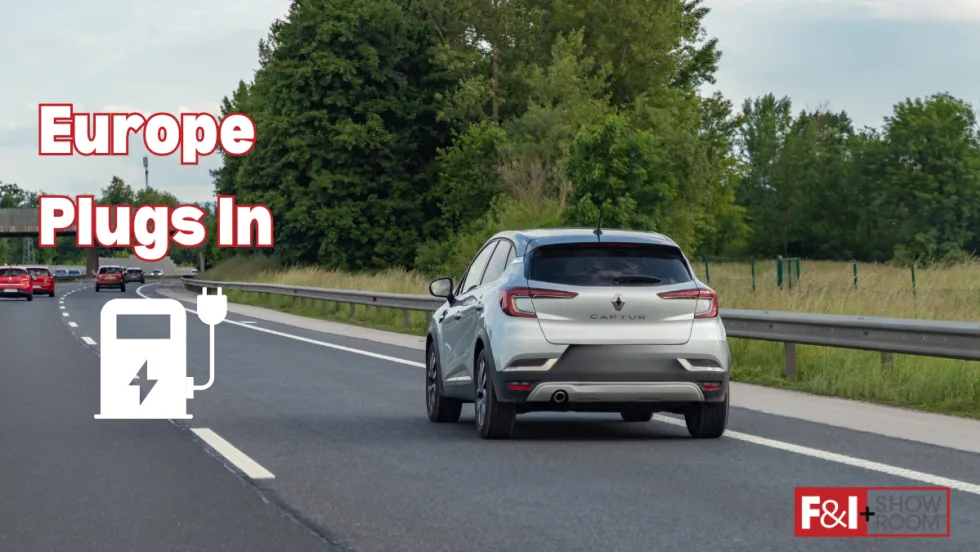
European EV Sales Skyrocket
The EV market on the continent held strong in July with almost 25% of new-car sales being fully electric units, a stark contrast to the U.S., where EV sales declined about 42%.
Read More →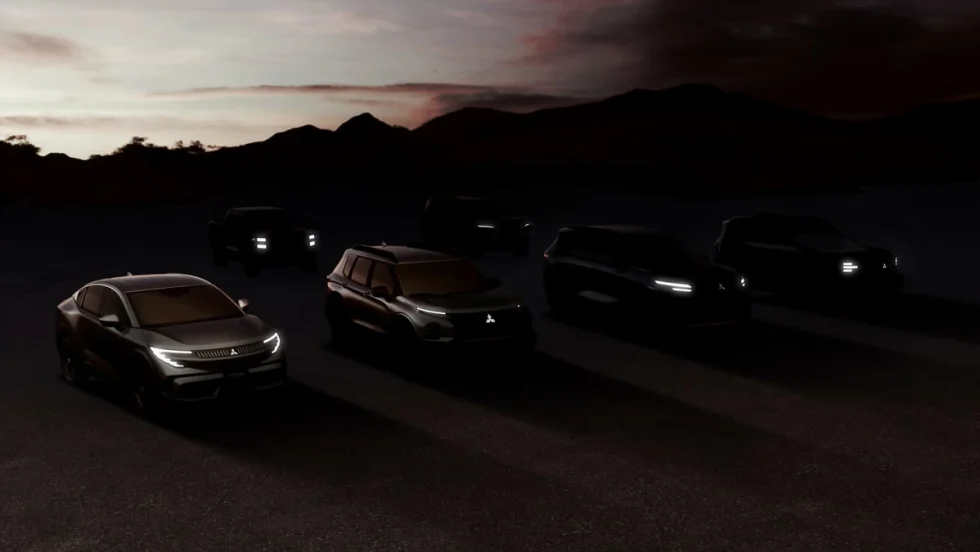
Mitsubishi Unveils U.S. Plan
The automaker announced a strategy that includes an expanded lineup and dealership presence, along with more ‘rugged’ and electric models.
Read More →
Used Lots Getting the Business
Many consumers are seeking out the units to save money, and the demand – higher in July than normal – is keeping supply limited and prices up.
Read More →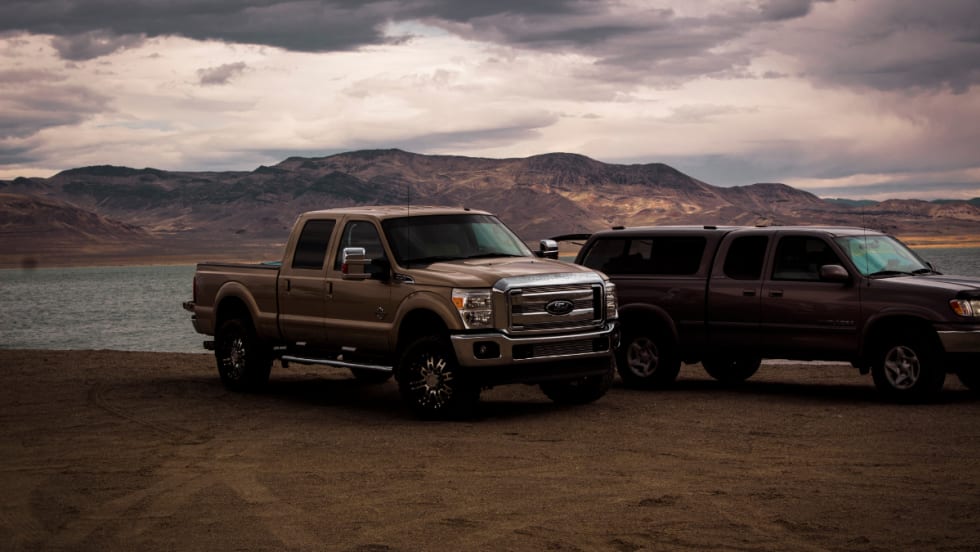
Used Market Stabilizes
The Carfax Used Car Index noted a major drop in used-vehicle price increases in July after several months of hikes.
Read More →
California Hybrids Reach State Record
The Golden State still leads the country in electric-vehicle registrations, but much like the rest of the U.S. its hybrid market share is up while full electrics stabilize after a dramatic first-quarter dip.
Read More →
My Mercedes in the U.S.
The German brand debuted its studio dealership concept for the first time in the states in Los Angeles, tapping Americans’ penchant for creative distinctions.
Read More →
Used Sales Hit Summer Drag
The vacation season, combined with high prices, has dented deliveries and added to inventories, though supply is still slim enough to keep listings elevated.
Read More →