



COVID-19 and Compliance?
There are many parallels between COVID-19 and compliance, as both are different varieties of disaster and require planning and foresight to address. Lessons learned during this pandemic apply with equal force to compliance issues.

There are many parallels between COVID-19 and compliance, as both are different varieties of disaster and require planning and foresight to address. Lessons learned during this pandemic apply with equal force to compliance issues.
Image by mohamed Hassan from Pixabay
While COVID-19 has taken the lion’s share of current event reporting, you would be excused for wondering what connection it has with compliance. In fact, there are many parallels as both are different varieties of disaster that require planning and foresight to address. There is a saying in the parental playbook, which invokes the “5 Ps”: Proper preparation prevents poor performance.
The importance of compliance failures are dwarfed in comparison to the awful loss of life and freedom brought upon by COVID-19, but the same principles apply.
1. Be Prepared
Best practices include having emergency protocols and an emergency preparedness team in place before the emergency. In compliance, this means having policies and procedures. These policies anticipate the compliance issues the business may face (e.g. privacy, data security, or other regulatory requirements); assess the risk based on the size and nature of the business; and develop procedures to detect, protect and, if necessary, respond to compliance attacks. Preparedness requires engagement from senior management to validate the priority to be given to emergency preparedness and the effort expected of all team members. While a compliance failure is not a matter of life or death like the COVID-19 crisis, it can represent a financial and reputation “life or death” disaster for affected businesses, spawning fines, penalties, investigations, and possibly class action lawsuits.
2. Stock Up on Personal Protective Equipment
Personal protective equipment (PPE) is a critical tool in your arsenal to fight anticipated threats. Compliance management systems (CMS) can be considered PPE for businesses to protect against the various compliance threats such as fraud, data security, and phishing attacks, to name a few. Using your CMS to train your staff to recognize compliance issues and address those issues in a consistent, repeatable fashion, before the compliance meltdown occurs, is just what you expect from PPE. A CMS can stop or help lessen the impact of compliance issues arising in the current and future challenging legal/regulatory landscape.
3. Be a Leader
Leaders own their roles and they do not shirk responsibility. Does your leader value compliance preparedness? Does your leader allocate resources to compliance preparedness? Businessman Arnold Glasow stated, “one of the tests of leadership is the ability to recognize a problem before it becomes an emergency.”
As noted above, the leader sets the tone for the business and validates the priority to be given to anticipating future threats to the success of the business. A CMS includes policies and procedures, but leaders also need to implement audit functionality to test the systems in place. Are the compliance lessons being followed by each and every employee in the dealership? Are the compliance policies being implemented from the initial customer greeting through the sale process to the F&I office, the accounting office, the service department, the parts department, and by the dealership vendors? If just one employee, department, or vendor is not properly trained, prepared, or vetted, the entire dealership will be exposed to a preventable disaster.
COVID-19 has been the biggest public health crisis of our lifetimes. The ensuing social isolation has fundamentally changed the way we interact and the way we do business. While we are all looking forward to the phased recovery from the COVID-19 mandated sheltering in place, one can’t help but wonder about the impact on client-facing businesses such as dealerships. Will we see a transformation of the sales process from a personal touch approach to a strictly digital approach?
Through the COVID-19 experience, we now know the fear and uncertainty of an invisible enemy which can strike us down if we are not vigilant. The importance of compliance failures are dwarfed in comparison to the awful loss of life and freedom brought upon by COVID-19, but the same principles apply. Businesses must plan for disaster and must equip their team with proper tools such as a CMS, to detect and prevent disaster before it happens. We can and will overcome this challenge and grow stronger for the future ... just remember the “5 Ps”!
Content provided in this article is intended for informational purposes only and should not be construed as legal advice and should not be relied upon or acted upon without retaining counsel to provide specific legal advice based upon your particular situation, jurisdiction and circumstances. No duties are assumed, intended or created by this communication. No attorney-client relationship is being created by your review or use of this material.
© 2020 Robert J. Wilson, All Rights Reserved
Robert J. Wilson, Esquire (Bob) is a Philadelphia lawyer and is General Counsel for ARMD Resource Group. Bob is the principal of Wilson Law Firm and has over 30 years of experience both as a counselor and as a litigator in State and Federal Courts. Risk management, problem solving and dispute resolution are his core competencies. Bob’s practice is largely in the consumer finance space and he regularly consults with Lenders and contributes articles on various compliance related issues.
Originally posted on Agent Entrepreneur
More Showroom

California Sees Quarterly Gains
California’s new-vehicle market saw a boost in hybrids in the third quarter and its first overall quarterly market gain of the year.
Read More →
New-Vehicle Prices Stay Put
Affordability pressures and model availability shaped new-vehicle sales in September, according to an analysis by Kelley Blue Book.
Read More →
EV Buyer Consideration Shifts
What drives American consumers to purchase an electric vehicle is shifting as the question moves away from Should I?' to 'Which features and experience do I want to have?'
Read More →
Year-to-Date Auto Sales Holding Their Own
A forecast through August shows that automakers have shifted strategies to keep deliveries and revenues up despite tariffs and other economic challenges.
Read More →
Slow to Robo
Ten years of polling consumers shows autonomous vehicles’ profiles have risen considerably, but even more people now want at least some level of control if they go that route.
Read More →
Dealers a Little Down
A third-quarter Cox Automotive survey finds them in a mixed mood, bummed by fallen customer traffic but encouraged by better profits, costs and EV interest.
Read More →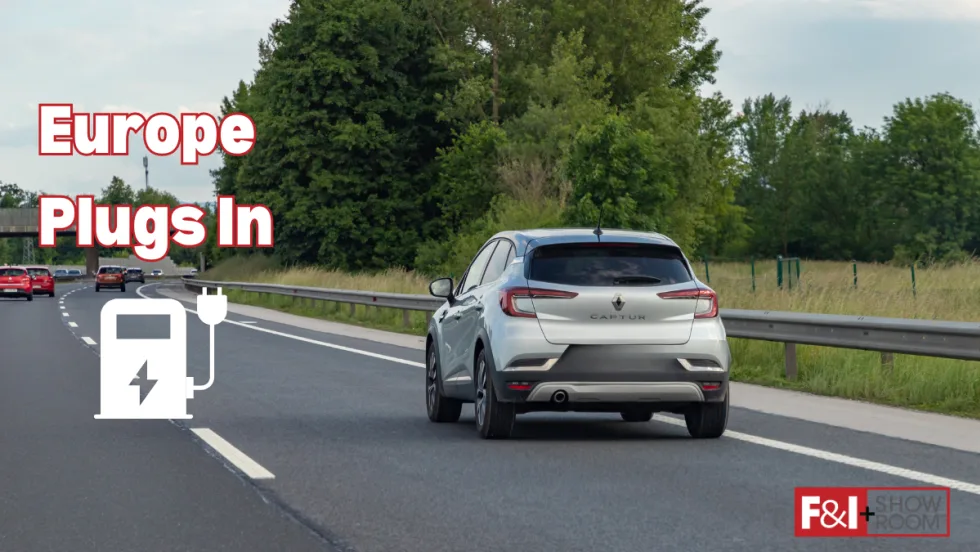
European EV Sales Skyrocket
The EV market on the continent held strong in July with almost 25% of new-car sales being fully electric units, a stark contrast to the U.S., where EV sales declined about 42%.
Read More →
Mitsubishi Unveils U.S. Plan
The automaker announced a strategy that includes an expanded lineup and dealership presence, along with more ‘rugged’ and electric models.
Read More →
Used Lots Getting the Business
Many consumers are seeking out the units to save money, and the demand – higher in July than normal – is keeping supply limited and prices up.
Read More →
Used Market Stabilizes
The Carfax Used Car Index noted a major drop in used-vehicle price increases in July after several months of hikes.
Read More →