



Time to Reimagine Co-Op Marketing
Digital marketer says co-op marketing is outdated and ineffective, noting that the most effective brand and dealer partnerships use local advertising to drive customers into showrooms.

All major auto brands create co-op accounts for their dealers, with marketing budgets that can be allocated to co-branded advertising campaigns on a local level. It’s a sound idea, but in the face of worldwide digital transformation, co-op marketing is outdated and inefficient, and it needs to evolve.
What makes co-op marketing ineffective is it bolts time-consuming fulfillment processes onto traditional offline advertising channels. The reason why they still exist is many of the world’s biggest brands have been running co-op programs for close to 100 years, and they started these programs at a time when dealers only advertised in print newspapers and flyers. Digital simply didn’t exist. That’s not the case today, with consumers practically living online. That means digital marketing must be front and center of your strategy.
Co-op also needs to roll into the digital age to be measurable and to truly help consumers know where to buy the right vehicle. Only then can you gauge its true effectiveness and ROI in an always-on, connected world.
"The shift to digital has already happened. Any brand that hasn’t accepted the so-called digital transformation will likely feel the consequences and watch competitors take the flag."
These days, people want to engage with brands and local dealers on their phones while on the go and whenever they feel like it. The lack of easily accessible, interesting digital content causes dealers to stop engaging in traditional co-op programs or push halfhearted, disjointed marketing efforts that don’t deliver brand value or increase foot traffic.
Bottom line, dealers are no longer satisfied with traditional co-op advertising, because it’s time-consuming to have to obtain ad approval and submit paperwork for reimbursements. In fact, when surveyed by Borrell Associates back in 2015, 43% of dealer respondents described their relationship with manufacturers as “frustrating,” while 65% called it “complex.”
Rules, restrictions and abundant paperwork topped the list of complaints among respondents, who indicated that the lengthy processes associated with these programs drives them away from prospecting while not providing a way to measure actual customer engagement.
The shift to digital has already happened. Any brand that hasn’t accepted the so-called digital transformation will likely feel the consequences and watch competitors take the flag. A recent eLend survey showed that 84% of dealers feel they’re progressive and willing to adopt more digital retailing tools. Borrell Associates found that 74% of dealers feel mobile advertising is important, yet only 29% of manufacturers are providing co-op support for mobile.
Dealers are clearly ready to leverage more digital marketing. The right system will offer instant access to a wealth of digital advertising content they can geotarget and tailor to their local area. What’s more, these tools (e.g., mobile, texting, social media) speak the language of millennials, who have surpassed baby boomers as the largest demographic.
Digital asset management systems (DAMs) once had promise. Unfortunately, they suffer from low adoption rates, fail to engage dealers, and can’t build out a localized marketing campaign. Dealers should be armed with the tools they need to promote sales events across multiple digital channels, from mobile apps to Facebook, Twitter and Instagram.
A case in point: When Toyota launched its fourth-generation Prius in Australia back in 2016, it only used Facebook and Instagram in its launch. The strategy allowed the automaker to reach 7.6 million people — 69% of whom Toyota identified as being in its target audience, according to Gartner. This led to a 53% increase in traffic to the Prius website, a 13-point increase in ad awareness, and a 41% increase in Prius test drives. Who wouldn’t be happy with those stats?
Facebook has more than two billion monthly active users worldwide, and 66% of them return every single day. Adverts on Facebook can be laser-focused at targeted demographics (by age, gender, interests, ZIP code) in a way that newspaper, radio and TV can only dream of.
Enabling dealers to select and download from a choice of auto promos and digital marketing materials allows them to put a local spin on their digital campaigns, attracting more customers without compromising message or brand consistency.
Dealers should ask that promotional materials be shared via digital means. They should ask that these materials be stored in a single repository that’s easy for everyone to access. The reimbursement process should also be simple.
Trends point to the eventual elimination of the standard co-op model in favor of a dealer-centric, digital-friendly alternative. Truly co-operative marketing makes more sense through digital channels because it resonates with today’s always-connected customers, which is mutually beneficial for OEMs and dealers alike.
Ben Carcio is co-founder and CEO of Promoboxx, a brand-powered digital retail marketing platform. Contact him at ben.carcio@bobit.com.
More Digital

AI: Facilitator, Not Fixer, in F&I
The dealerships that thrive in the years ahead will be those that embrace technology while continuing to invest in the people who make customer interactions count.
Read More →
Simple But Effective Hacking Surges
Data from the past year at U.S. auto dealerships finds that email and identity phishing are growing threat sources that can dispense with malware by exploiting trust.
Read More →
The Future of Car Dealerships
Artificial intelligence is reshaping the service-drive experience and will help retailers stay competitive.
Read More →
Structure Leads to Optimized Auto Listings
As the average car-buying journey has shifted to a blend of digital and retail, a dealership’s vehicle listings must be optimized to answer shoppers’ questions clearly and accurately.
Read More →
Real Intelligence
AI, though it presents many opportunities for productivity, efficiency and more, isn’t a one-for-one stand-in for people. It can augment human capital but not replace it altogether.
Read More →
Zurich Launches Advisor IQ for F&I Manager Coaching
The new platform uses real transaction data and artificial intelligence-driven insights to help car dealerships improve consistency and performance.
Read More →
F&I in the Digital Age
Digital retailing has not made the F&I manager obsolete. If anything, it has revealed how valuable the role can become when technology is used correctly.
Read More →
Need for Speed: EV Apps Lack Consistency
Fifty-five percent of surveyed EV owners said their mobile applications had a major or moderate impact on their purchasing decisions, but connectivity issues remain a problem.
Read More →
Four Keys to Your Digital Trail Defense
Federal regulators are cracking down on hidden fees. This protective measure could mean the difference between winning and losing a lawsuit or surviving a duel with the Dark Side.
Read More →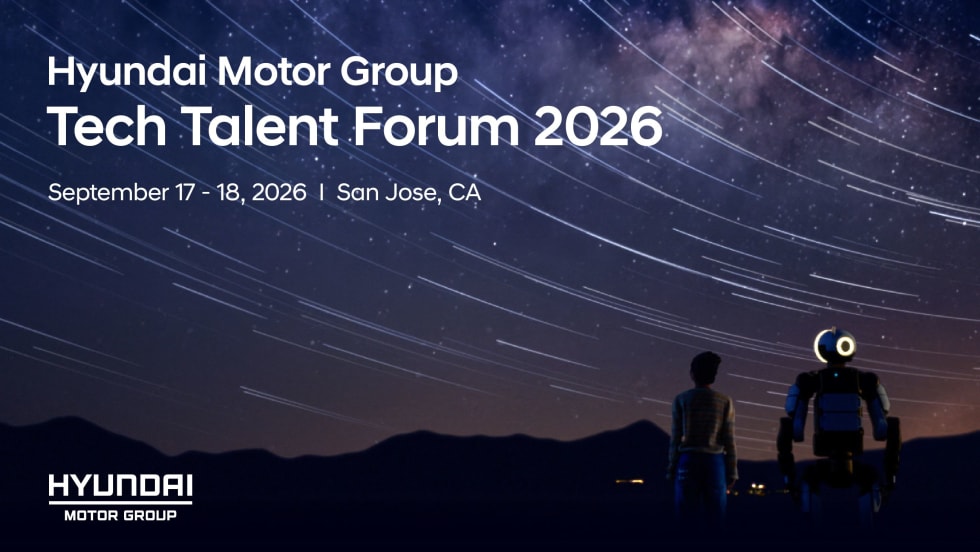
Hyundai Hosts Tech Talent Forum
Technology leaders from Hyundai Motor Group will have open discussions at the inaugural HMG Tech Talent Forum on topics ranging from autonomous driving to 'smart' manufacturing.
Read More →