



Auto Shoppers' Woes to Continue in 2023
More cars are available, but record prices and rising interest rates will challenge customers.

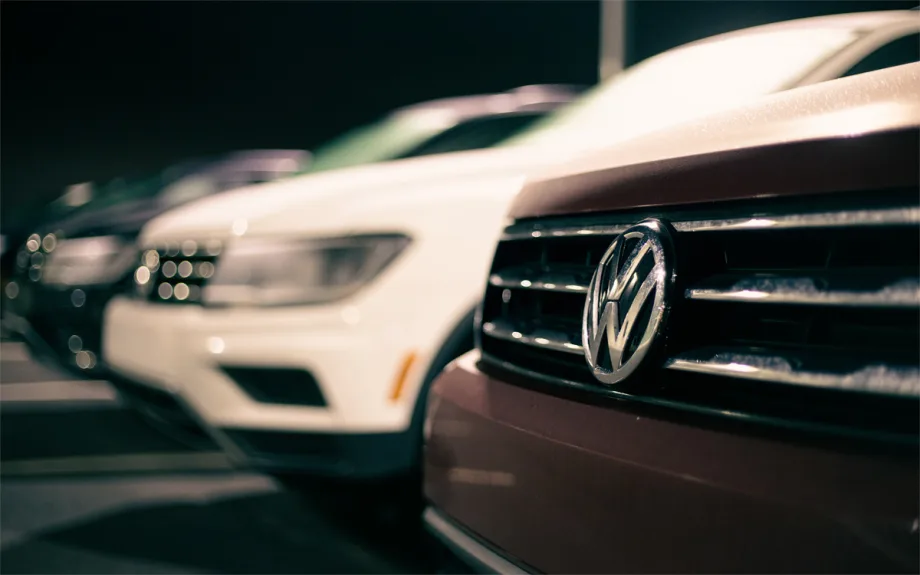
Customers can expect more choices amid record prices and higher rates.
Erik McClean
Vehicle inventories are growing, but shoppers may still experience supply constraints and record prices.
The average new-vehicle price now sits at about $46,000, a $10,000 increase over 2019.
The National Auto Dealers Association reports that the industry sold 13.7 million new cars and trucks last year, the lowest number of total sales since 2011.
The association blames the reduced totals on the semiconductor microchip shortage and supply-chain disruptions.
Inventory levels rose 49% by the end of 2022 compared to year’s end in 2021. The shift has NADA projecting the industry will sell 14.6 million new vehicles in 2022, a 6.6% increase. Though better, that number falls short of the 17.1 million sold in 2019.
Auto dealerships struggled in 2022 to keep their lots full. They sold into the pipeline, meaning vehicles were sold before they arrived. Now inventories are better, but challenges remain.
NADA Chief Economist Patrick Manzi says inventories for some brands are in better shape than others. But he warns that shoppers will have limited options if they don’t order from the factory. Automakers, he says, have said they will not overproduce vehicles. The days of packed lots with many choices may be behind the industry.
Rising interest rates add to car customers’ concerns. When added to higher vehicle prices and supply issues, that may also make shopping for a vehicle more difficult.
According to NADA, interest rates average 6.4% for loans on new cars and 9.7% for loans on used vehicles. Manzi said he expects rates to go up in the first half of the year.
In 2022, automakers focused their limited resources on producing more profitable, higher trim-level vehicles. Manzi predicts they will shift production back to more affordable models this year.
Automaker incentives remain down. Incentives have steadily declined from the over $4,000 per vehicle offered in 2020. But Manzi predicts a rise in the incentives, which sat at about $1,000 per vehicle in 2022, if inventory grows in the back half of the year.
Originally posted on Auto Dealer Today
More Showroom
California Sees Quarterly Gains
California’s new-vehicle market saw a boost in hybrids in the third quarter and its first overall quarterly market gain of the year.
Read More →
New-Vehicle Prices Stay Put
Affordability pressures and model availability shaped new-vehicle sales in September, according to an analysis by Kelley Blue Book.
Read More →
EV Buyer Consideration Shifts
What drives American consumers to purchase an electric vehicle is shifting as the question moves away from Should I?' to 'Which features and experience do I want to have?'
Read More →
Year-to-Date Auto Sales Holding Their Own
A forecast through August shows that automakers have shifted strategies to keep deliveries and revenues up despite tariffs and other economic challenges.
Read More →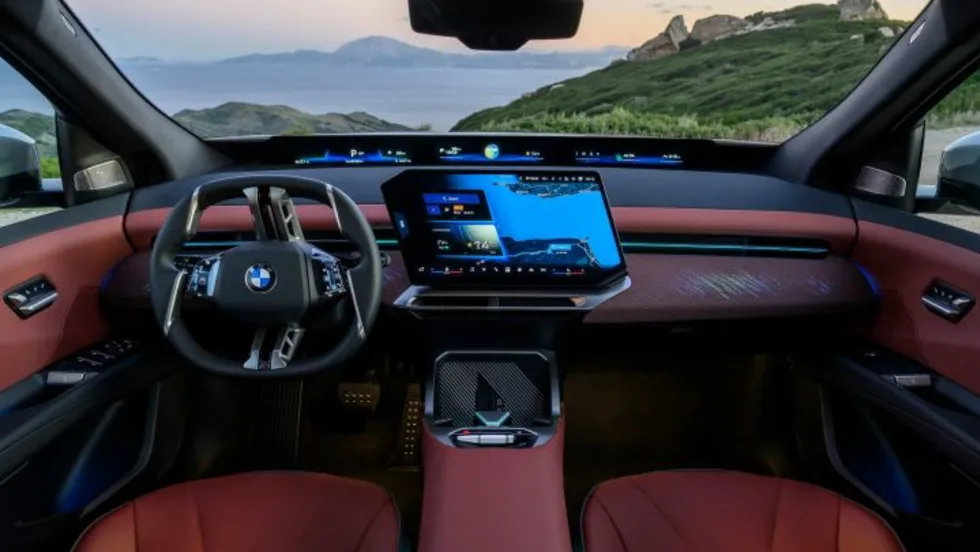
Slow to Robo
Ten years of polling consumers shows autonomous vehicles’ profiles have risen considerably, but even more people now want at least some level of control if they go that route.
Read More →
Dealers a Little Down
A third-quarter Cox Automotive survey finds them in a mixed mood, bummed by fallen customer traffic but encouraged by better profits, costs and EV interest.
Read More →
European EV Sales Skyrocket
The EV market on the continent held strong in July with almost 25% of new-car sales being fully electric units, a stark contrast to the U.S., where EV sales declined about 42%.
Read More →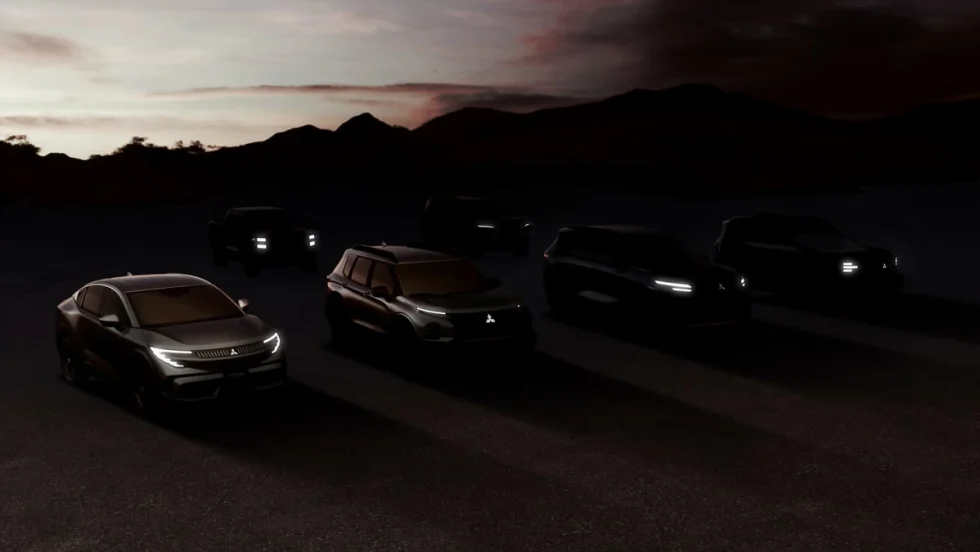
Mitsubishi Unveils U.S. Plan
The automaker announced a strategy that includes an expanded lineup and dealership presence, along with more ‘rugged’ and electric models.
Read More →
Used Lots Getting the Business
Many consumers are seeking out the units to save money, and the demand – higher in July than normal – is keeping supply limited and prices up.
Read More →
Used Market Stabilizes
The Carfax Used Car Index noted a major drop in used-vehicle price increases in July after several months of hikes.
Read More →