



Dealership Employees Weigh in on Their Jobs
CDK survey finds improvements, along with vulnerabilities


More than a third of generation Z respondents, the most of any cohort, said they’d recommend working in the industry, though just 26% of all respondents said they would.
Pexels/ThisIsEngineering
Auto dealers can take heart that auto retail employees’ job satisfaction appears to be on the upswing, but there’s still much room for improvement to keep them in the fold, especially over the long haul.
CDK – the company dropped 'Global' from most marketing materials in a rebrand several years ago – surveyed more than 400 U.S. dealership employees about workplace conditions, compensation and industry perception, finding that overall satisfaction rose 11% over last year to 82%. At the same time, the percentage of employees who intend to leave their current dealerships in the next six months fell by nearly 30% to 22%.
The improvements, though, don’t reflect several retention risk factors, including pay, the greater economy, and industry sentiment, the study found.
“Leadership responsiveness and team dynamics are now just as critical as pay,” said CDK Vice President of Product Marketing and Enablement Bruce Johnson. “Dealerships that thrive will be the ones that listen, adapt, and lead with empathy while aligning compensation strategies with retention goals and employee expectations.”
Workplace stress remains, the survey results show, though the top reason for it has changed. Economic uncertainty leads all causes of stress at 40%, supplanting difficult customers, now at 36%, and followed in third place this year by the auto industry’s future at 31%.
“Store leadership often focuses on the controllables, not letting outside forces like the state of the economy or politics impact their strategies,” said CDK Director of Content Marketing David Thomas. “But employees signal loud and clear that the economy and the health of the auto industry are top stressors.”
Meanwhile, just over half of survey respondents – 54% – said they consider their compensation competitive, the average falling between $50,000 and $100,000. CDK cited a second-quarter Bureau of Labor Statistics report putting the U.S. median salary above $62,000.
Still, according to the survey results, that leaves nearly half who don’t consider their pay competitive. One generation X respondent said, “If I got a better paying job or … reasonably better benefits at another dealership or job, I’m jumping.”
The auto retail industry’s future, along with feelings of economic uncertainty, add to the compensation challenge for dealers. Barely a quarter of respondents – 26% – said they’d recommend the business to others. More than a third of generation Z respondents, the most of any cohort, said they’d recommend working in the industry, one citing a flexible schedule and ability to work from home.
While the study found that 78% of respondents have no plans to leave their dealerships in the next six months, the long term is less certain, just 49% saying they see themselves staying put another five to 10 years.
“It’s a job I think is better for the younger people with no commitment, time on their hands, and can hustle out,” said one baby boomer respondent. “It can be tougher when you have family, but it’s good money. Never boring.”
DIG DEEPER: How to Build a High-Performance Sales and F&I Team
More Industry
New-Vehicle Prices Stay Put
Affordability pressures and model availability shaped new-vehicle sales in September, according to an analysis by Kelley Blue Book.
Read More →
EV Buyer Consideration Shifts
What drives American consumers to purchase an electric vehicle is shifting as the question moves away from Should I?' to 'Which features and experience do I want to have?'
Read More →
Auto Nameplate Loyalty Holds in Tough Times
Consumers have been faithful to brands despite financial pressures, and JD Power says that’s because automakers have made some wise moves.
Read More →
Top New Jersey RV Store Sells
Myer’s RV Superstore is expanding its footprint in the state with two new locations that it acquired from Ed Hutchinson Jr.
Read More →
Alliance Analyzes Technician Pipeline
A new industry report examines the state of skilled trades in the U.S. and details the drivers of demand for automotive repair and how technicians enter and grow in the workforce.
Read More →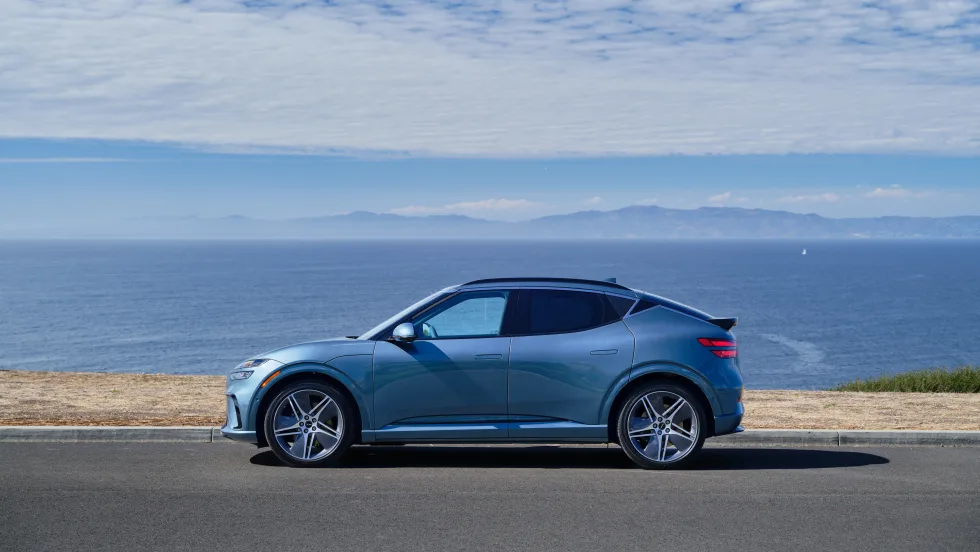
Luxury Rooftop Changes Hands
Genesis of Glenview is getting a new owner and a new location, but its name will stay the same.
Read More →
Future-Proof Your Business
A new industry outlook details several ways that automotive companies can use the rise in artificial intelligence and advanced technologies to their advantage.
Read More →
Dealership Buy-Sells Keep Going Up
First-half transactions reflect continued high appetite for acquisitions despite falling profits, the most sought-after franchises bringing record prices.
Read More →
California Makes Electric Moves
New laws in the Golden State aim to advance consumer access to public electric-vehicle chargers and reduce costs and barriers to its infrastructure.
Read More →
Rare Earths Independence
Automakers seek alternatives to sourcing battery raw materials in volatile markets roiled by trade wars and disrupted supply chains.
Read More →