



Demand Destruction a Concern for 2023
Auto industry analysts remain on high alert for “demand destruction” as high interest rates, escalating vehicle costs, and a down economy threaten auto sales.


Auto industry analysts remain on high alert for “demand destruction” as high interest rates, escalating vehicle costs, and a down economy threaten auto sales.
IMAGE: Getty Images
Auto industry analysts remain on high alert for “demand destruction” as high interest rates, escalating vehicle costs, and a down economy threaten auto sales.
“We’re swapping a supply problem for a demand problem,” Cox Automotive chief economist Jonathan Smoke reported.
With this sentiment, Smoke indicated that Cox has 10 predictions for the auto industry in 2023.
A slow-growing economy will put pressure on the automotive market. Automakers are investing billions in electric vehicles and to add advanced technologies to vehicles while the economy is in turmoil. Smoke says, “We hope for an economic soft landing but either way we believe the auto market is going to be held back in the year ahead.”
New vehicle inventory levels will continue to increase as demand begins to cool. This will lead to higher inventory levels after two years of record lows due to supply chain and parts problems.
Total retail vehicle sales will fall in 2023. New vehicle sales will rise while used vehicle sales trend downward. Cox predicts automakers will rely more heavily on commercial and fleet sales to increase total sales.
Sales of electric vehicles in the U.S. will exceed 1 million units for the first time. According to Cox, all-electric vehicle sales in the U.S. increased 66% or to 808,000 units in 2022. With the current trajectory, EV sales will hit 1 million in 2023. When hybrid and plug-in hybrid electric vehicles are added in, Smoke predicts about 25% of new vehicles sold this year will be “electrified” vehicles.
Used-vehicle values will see above normal depreciation for the second consecutive year. Used vehicle prices skyrocketed during the first two years of the coronavirus pandemic because of constrained new vehicle inventories. Wholesale pricing peaked in January 2022, but declined 14.9% by year’s end. Cox forecasts wholesale pricing will fall another 4.3% by years-end.
Vehicle affordability will challenge buyers. Rising interest rates have increased average monthly payments to $785 for new cars and $661 for leases, Cox reported. The average list price of a new vehicle remains above $27,000, while average transaction prices for new vehicles ended last year at about $49,500. “The longer-term concern is that this causes what is produced to skew even more towards luxury and away from affordable price points, which means even the U.S. vehicle market has a long-term affordability issue,” Smoke said.
All-cash deals will increase to the highest level in decades. With sky-high interest rates, some buyers will use cash to purchase a vehicle to avoid financing it. Smoke explains the average loan rate for a new vehicle is more than 8% and for a used vehicle it’s up to 13%.
Dealership-service operations volume and revenue will grow. Consumers are keeping their vehicles longer, which will increase back-end service business and revenue for dealerships. This increase will offset potential declines in sales and financing options. “We see this as one of the silver linings for dealers,” Smoke said. “The service department usually does well [and] is somewhat counter-cyclical during economic downturns.”
More buyers will engage with digital retailing tools. Cox expects this trend to continue for years to come.
Federal incentives will encourage more fleet buyers to consider EVs. The federal government has not finalized EV incentives for commercial vehicles and fleet owners yet, but the tax advantages will make them more popular for fleets. “This is actually where we think the majority of growth will be in new vehicle sales in ’23,” Smoke said.
Cox forecasts U.S. new vehicle sales will hit 14.1 million in 2023, a slight increase from the estimated 13.9 million units in 2022.
Originally posted on Auto Dealer Today
More Showroom

California Sees Quarterly Gains
California’s new-vehicle market saw a boost in hybrids in the third quarter and its first overall quarterly market gain of the year.
Read More →
New-Vehicle Prices Stay Put
Affordability pressures and model availability shaped new-vehicle sales in September, according to an analysis by Kelley Blue Book.
Read More →
EV Buyer Consideration Shifts
What drives American consumers to purchase an electric vehicle is shifting as the question moves away from Should I?' to 'Which features and experience do I want to have?'
Read More →
Year-to-Date Auto Sales Holding Their Own
A forecast through August shows that automakers have shifted strategies to keep deliveries and revenues up despite tariffs and other economic challenges.
Read More →
Slow to Robo
Ten years of polling consumers shows autonomous vehicles’ profiles have risen considerably, but even more people now want at least some level of control if they go that route.
Read More →
Dealers a Little Down
A third-quarter Cox Automotive survey finds them in a mixed mood, bummed by fallen customer traffic but encouraged by better profits, costs and EV interest.
Read More →
European EV Sales Skyrocket
The EV market on the continent held strong in July with almost 25% of new-car sales being fully electric units, a stark contrast to the U.S., where EV sales declined about 42%.
Read More →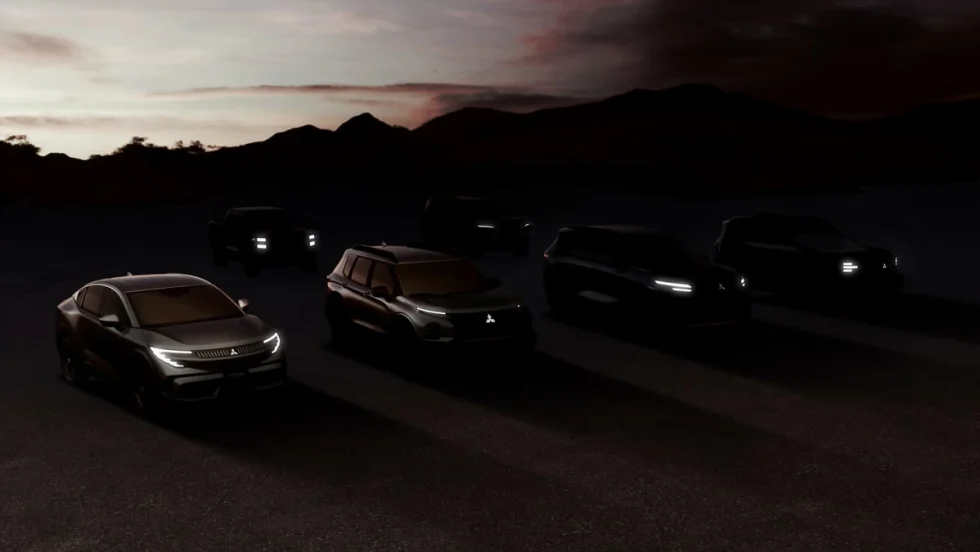
Mitsubishi Unveils U.S. Plan
The automaker announced a strategy that includes an expanded lineup and dealership presence, along with more ‘rugged’ and electric models.
Read More →
Used Lots Getting the Business
Many consumers are seeking out the units to save money, and the demand – higher in July than normal – is keeping supply limited and prices up.
Read More →
Used Market Stabilizes
The Carfax Used Car Index noted a major drop in used-vehicle price increases in July after several months of hikes.
Read More →