



GM Confirms Network of 4,500 Dealers
General Motors announced last week that it concluded the dealer arbitration process and that effective Nov. 1, it will have a network of about 4,500 U.S. dealerships to sell and service customers for Chevrolet, Buick, GMC and Cadillac vehicles.

Major elements of the image upgrades include customer-friendly features such as work areas with phone and lap top computer power outlets, Wi-Fi and a café area with refreshments.
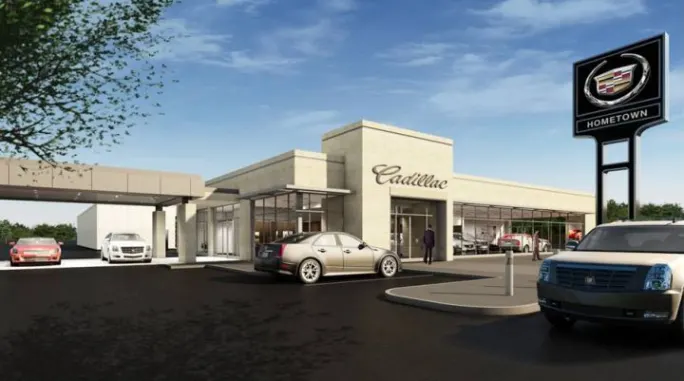
GM is updating or installing new signs at Chevrolet, Buick, GMC and Cadillac dealerships across the U.S. The signs feature a more contemporary design and reflect the current image guidelines for each brand.
General Motors announced last week that it concluded the dealer arbitration process and that effective Nov. 1, it will have a network of about 4,500 U.S. dealerships to sell and service customers for Chevrolet, Buick, GMC and Cadillac vehicles.
The company also reported that many of these dealerships are participating in a major facilities upgrade program, with more than 300 updates already completed and about 1,000 projects scheduled through the end of 2010.
"Our dealers are the face of GM to our customers and valued members of the communities where they do business across America," said Mark Reuss, president, GM North America. "We're confident our dealer network will be the best in the business. It will be the right size with the right dealers to give our customers great service during and after the purchase.
Although GM's new dealer network is about 25 percent smaller than in early 2009, it remains the nation's largest. This gives existing and potential GM customers more choice and convenience when it comes to where to buy a car and have it serviced.
"We spent a considerable amount of time and effort to work toward a mutually agreeable resolution with our dealers," Reuss said. "We're pleased that we could complete this process in what we believe is an effective and efficient manner."
Restructuring the Dealer Network
During its restructuring last year, GM offered wind-down agreements to 2,064 Chevrolet, Buick, GMC and Cadillac dealers that the company determined needed to transition one or more of those brands from the dealer network by Oct. 31, 2010, when the dealer agreement expires.
Under the provisions of a federal law passed in December 2009, GM dealers filed 1,176 arbitration cases with the American Arbitration Association to have their dealer agreements reinstated. Only 62 arbitration cases were completed with decisions rendered. GM offered 702 Letters of Intent to involved dealers, allowing them to conduct normal dealer operations as soon as they comply with the terms of the Letter of Intent. GM has reached 408 individual resolutions with other dealers, most of which call for the dealer to continue the wind-down process. Four cases were dismissed.
In June 2009, GM had 6,049 dealerships selling eight brands, with 87 brand combinations. The new dealer body will have about 4,500 dealerships, with just 15 brand combinations and four brands.
Dealership Upgrades
GM dealerships across the country are updating their Chevrolet, Buick-GMC and Cadillac facilities to align with new branding guidelines. This initiative, which began in October 2009, is accelerating with dealerships upgrading their stores at the rate of about 100 per month.
Major elements of the image upgrades include customer-friendly features such as work areas with phone and lap top computer power outlets, Wi-Fi and a café area with refreshments.
To support this effort, GM is updating or installing new signs at Chevrolet, Buick, GMC and Cadillac dealerships across the U.S. The signs feature a more contemporary design and reflect the current image guidelines for each brand.
"Customers throughout the country will be seeing a new look at the Chevrolet, Buick, GMC and Cadillac dealerships in their communities," Reuss said. "Putting our new dealer network in place is one of the most important elements in the rebirth of GM."
More F&I

AI: Facilitator, Not Fixer, in F&I
The dealerships that thrive in the years ahead will be those that embrace technology while continuing to invest in the people who make customer interactions count.
Read More →
Modern Technology Objection Handling
In this video, Trent White shares how to confidently handle technology-based objections by helping customers understand the value of protection, even with modern vehicle technology.
Read More →
Consistency at Scale: Driving F&I Performance
With 75 rooftops across the Sunshine State, Morgan Auto Group has proven to Floridians that it knows a thing or two about driving performance in a competitive market. But it didn’t start at the top.
Read More →
Gitty Up on GAP
The foundational finance-and-insurance product hasn’t kept up with the latest conditions for auto dealers. Is the time ripe?
Read More →
How AI-Powered Coaching Is Transforming F&I Performance
See how AI-powered coaching can turn F&I customer conversations into actionable insights that support compliance, performance and profitability
Read More →
Sell Value, Build Trust
In this video, Trent White explains why selling on value, not fear, builds lasting customer trust, reduces cancellations, and drives long-term success.
Read More →
F&I Sales Give Dealers First-Half Lift
Product business shored up total profits to avoid an overall revenue tanking as product penetrations held steady, StoneEagle reported.
Read More →
Targeted Training Drives Results
Today’s technology, instead of threatening F&I managers, can actually make them better, according to an industry veteran who’s watched market setbacks roil the unprepared.
Read More →
Double the Change, Double the Chance
When an F&I manager gets a customer refusal, it’s a wise move to tweak more than one thing in the product offering.
Read More →
Just Do It
F&I managers need training, but instead of resisting application or expecting perfection, they should improve by simply acting on what they learn.
Read More →