



Senate Passes Revised Bailout, Credit Remains Tight
After the addition of several incentives, the U.S. Senate voted to approve the $700 billion federal financial bailout package Wednesday, sending the measure back to the House of Representatives for a second vote Friday. Despite what appears to be good news for a frozen credit market, key lending rates and demand for Treasury securities remained at high levels Wednesday evening.
WASHINGTON — After the addition of several incentives, the U.S. Senate voted to approve the $700 billion federal financial bailout package Wednesday, sending the measure back to the House of Representatives for a second vote Friday. Despite what appears to be good news for a frozen credit market, key lending rates and demand for Treasury securities remained at high levels Wednesday evening.
The bailout was designed to allow the federal government to buy failing mortgage-backed securities from financial institutions in order to defrost the credit market and avert further economic unrest. An earlier version fell to defeat in the House on Monday by a vote of 228 to 205.
Two thirds of House Republicans and one third of their Democratic counterparts voted against the bill, which lacked tax protections that conservative legislators had lobbied for over the weekend. Among other incentives, Senators added tax breaks and more than doubled the cap on federal deposit insurance from $100,000 to $250,000. The revised bill was approved by a vote of 74 to 25 and is set to return to the House on Friday.
Although proponents of the bill consider the Senate vote a good sign for further progress, credit markets remained tight through the close of business Wednesday. The Associated Press reported a consensus among large companies and lenders which were largely unmoved by the approval, reserving judgment for the conclusion of the House vote and beyond.
"It can only be effective if it marshals private confidence," Citigroup economist Steven Wieting told the AP. "Private credit markets, as of yesterday, in some ways have ceased to exist. ... This is a confidence crisis."
Highly leveraged companies continued to announce the suspension of planned expenditures, citing difficulty in obtaining credit lines. Investors continued the rush for Treasurys, a generally stable, government-issued security that serves as a key indicator for fears of inflation.
As House legislators prepared to reconvene, Senate leaders expressed optimism for the bailout's ultimate success, noting that the economy's time of need is at hand.
If the bill should become law, "There will be no balloons or bunting or parades," Sen. Chris Dodd, D-Conn., told the AP. But Congress, he said, would carry "the knowledge that at one of our nation's moments of maximum economic peril, we acted — not for the benefit of a particular few, but for all Americans."
More F&I

Integrating Nontraditional F&I Products
The niche presents a strategic advantage for auto dealerships as they move to adapt to fast-changing consumer expectations in today’s market.
Read More →
Trust Is Personal
Technology, no matter how efficient, can’t replace what the human F&I manager can do, which is to bridge the divide between cyberspace and the in-store experience.
Read More →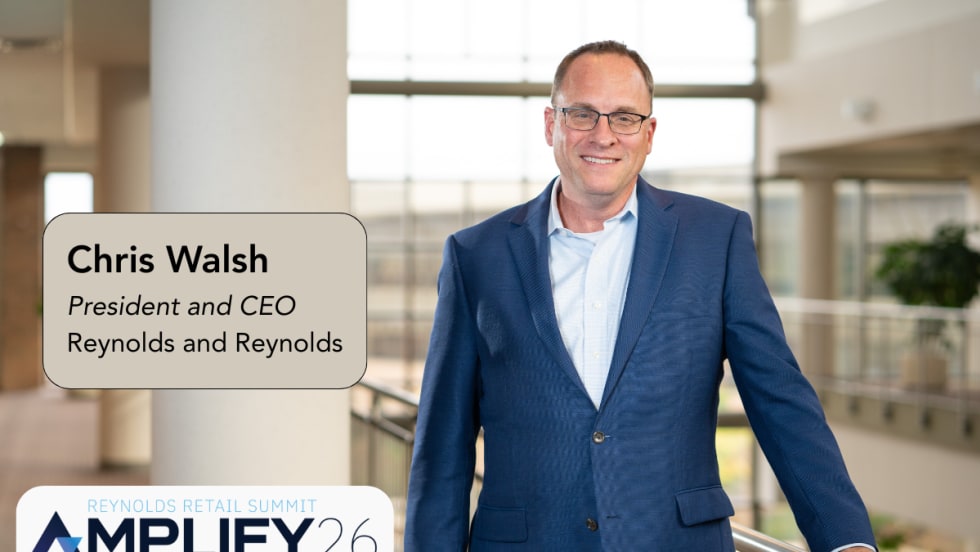
Amplify 2026 Billed as Turning Innovation Into Results
Reynolds and Reynolds says its annual retail summit will connect dealers with practical strategies, peer insight, and technology-driven ideas.
Read More →
Own Your Outcome: F&I in the Digital Customer Journey
Finance has historically been the last step in the car-buying process, but it doesn’t have to be. The customer’s journey starts long before they arrive at the dealership, and so should F&I’s involvement.
Read More →
Tariffs Could Raise Insurance Premiums
As U.S. import tariffs affect repair costs, consumers might find it more affordable to replace a damaged vehicle, according to recent Insurify tariff analysis.
Read More →
Smaller Loans, Longer Terms
The youngest generation of car buyers is more likely to finance less expensive vehicles, more than half of generation Z consumers borrowing less than $25,000.
Read More →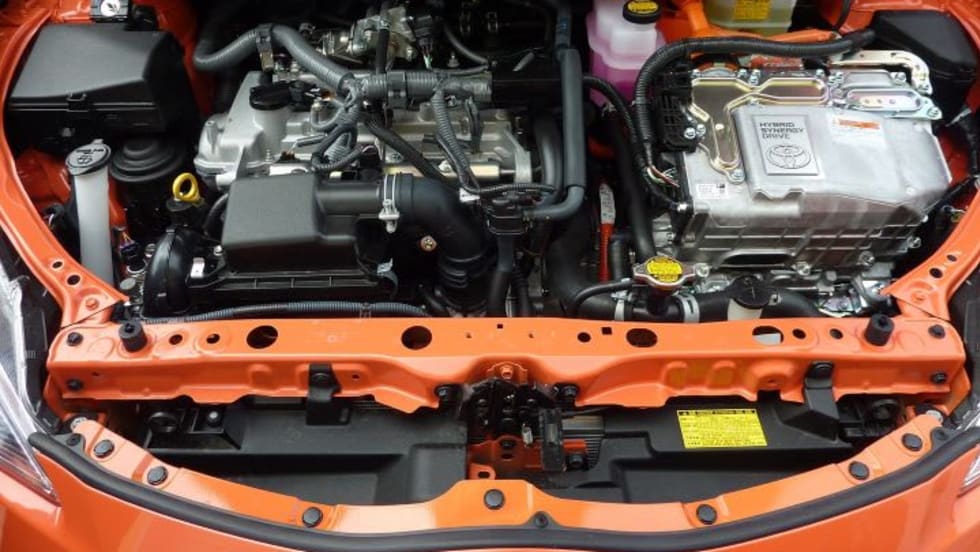
New Lifetime Battery F&I Product Meant to Drive Dealer Traffic
EFG Cos. offering is intended to create lifetime auto dealer engagement with customers.
Read More →
The Psychology Behind Menus That Increase Add-On Sales
There is a science to crafting a menu that gives customers confidence in the choices presented, and moving the process outside the F&I office can further boost results.
Read More →
Why Your F&I PVR Is Misleading You
Here’s a handy checklist of the numbers to track in 2026 instead.
Read More →
Auto Consumer Anxiety Presents Opportunity
A survey of U.S. drivers found the majority are concerned about finances and the economy, but those fears make many ready to buy vehicle-protection products.
Read More →