



Study Shows EV Charging Satisfaction Down
Public views of infrastructure reach new low, despite plans for better.

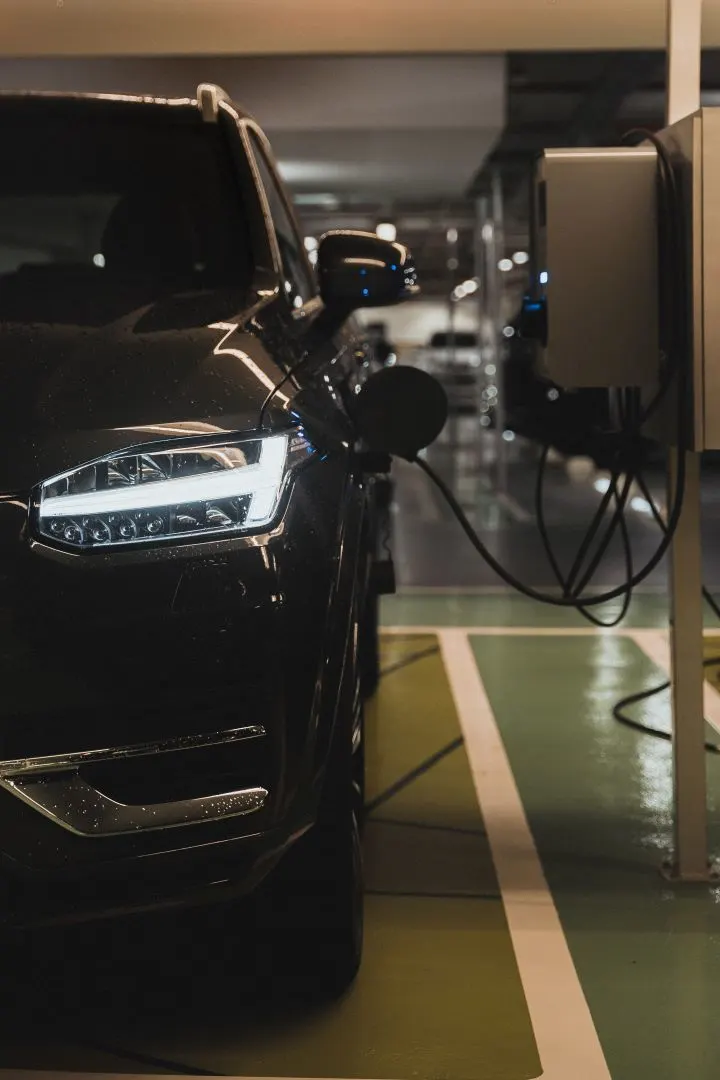
'The situation is stuck at a level where one of every five visits ends without charging, the majority of which are due to station outages.'
IMAGE: Pexels/Daniel Andraski
Public satisfaction with electric-vehicle charging infrastructure continues to decline, despite recent plans for non-Tesla brands to tap its network and for some of them to install their own chargers, a new report shows.
The findings of J.D. Power’s latest U.S. Electric Vehicle Experience Public Charging Study cast doubt on increased EV adoption, as it points out charging concerns are among consumers’ biggest reasons for sticking with gas-powered models.
Even Ford CEO Jim Farley recently lamented the state of U.S EV charging availability, posting a video about his travails keeping a Ford F-150 Lightning pickup charged on a drive across Route 66.
"It was a really good reality check of the challenges our customers go through and the importance of fast charging,” Farley said in the video.
J.D. Power’s study found that satisfaction with what it terms “level two” charging availability fell 16 points year-over-year to 617 on a 1,000-point scale, the lowest showing since it first conducted the study in 2021. Satisfaction with direct-current fast chargers fell yet more, by 20 points to 654.
J.D. Power said survey respondents’ satisfaction fell in almost all facets it measures across the two types of charging.
Executive Director of J.D. Power’s EV practice Brent Gruber said respondents were least satisfied with the cost and speed of public chargers and the lack of things to do while waiting for charges. It said charger reliability is also a concern.
“The situation is stuck at a level where one of every five visits ends without charging,” he said, “the majority of which are due to station outages."
The study found that Tesla owners are overall satisfied with its network, which it agreed early this year to open to non-Telsa owners. Multiple other automakers have said they plan to switch their EV models to Tesla’s port design. In July, though, seven brands announced a new coalition that plans to build its own network of at lest 30,000 chargers.
Other companies are getting into the EV charging segment or expanding their networks, including Shell USA, Walmart and an Italian utility company. The Biden administration has encouraged the buildout of charging infrastructure as it seeks to reduce fossil-fuel emissions.
Such sentiment doesn’t bode well for a segment that’s been growing but looks to plateau, according to a Business Insider analysis, citing multiple analysts who say recent growth isn’t sustainable as the segment moves beyond early adopters.
Originally posted on Auto Dealer Today
More Showroom

New Cars Less Affordable
Buying conditions eroded for American shoppers last month due to inflation and interest rates, though they fared better than a year ago.

October Sales Divided
Inventory trends split between the new- and used-vehicle markets, though prices continued to rise for both in October.

Auto Transaction Prices Hit New Height
October sales of big, pricey models push up the average, even as budget-conscious consumers snag more economical options.

Making the Safe Choice
Kelley Blue Book has turned households with teen drivers onto safe and affordable options for their vehicles of choice

Inventory Holds Steady
September new-vehicle inventory rose slightly month-over-month, but dealer lots are laden with MY2026 vehicles as the typical model year changeover trudges along.

October Auto Sales Fall With the Leaves
A forecast anticipates retail deliveries are down this month as consumers continue to face cost challenges, though more are tapping long loans in order to buy.

California Sees Quarterly Gains
California’s new-vehicle market saw a boost in hybrids in the third quarter and its first overall quarterly market gain of the year.

New-Vehicle Prices Stay Put
Affordability pressures and model availability shaped new-vehicle sales in September, according to an analysis by Kelley Blue Book.

EV Buyer Consideration Shifts
What drives American consumers to purchase an electric vehicle is shifting as the question moves away from Should I?' to 'Which features and experience do I want to have?'

Year-to-Date Auto Sales Holding Their Own
A forecast through August shows that automakers have shifted strategies to keep deliveries and revenues up despite tariffs and other economic challenges.