



Tesla Waves Keep Crashing
EV market leader's price swings still rippling across the industry.

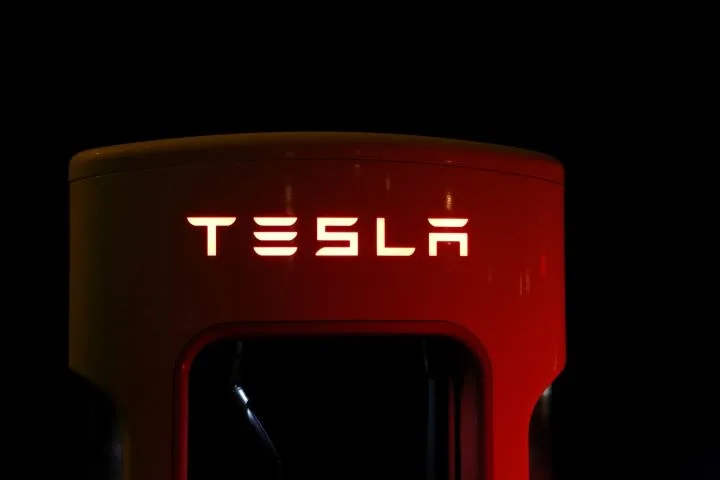
Tesla’s recent price hikes affected its models 3 and Y, which are now $250 more in the U.S.
IMAGE: Pixabay
Tesla’s price changes continue to spur ripple effects throughout the electric-vehicle segment as it responds to market conditions.
After a series of half a dozen price cuts that started in January, the EV market leader raised prices on its two top sellers on Monday in the U.S., Canada, China and Japan.
Tesla’s prices, though, remained below the levels they stood before it started cutting.
Meanwhile, the day after Tesla’s price trims, Ford cut prices on its electric Mustang Mach-E by up to $4,000, or 8%, on some versions as it switches to a cheaper battery. It was the second price cut on the model this year.
The price swings continued against the backdrop of recently adjusted federal EV tax credits, not to mention inflation and rising interest rates.
The U.S. Treasury Department issued guidance in March that eliminated some models from qualification for the credits and cut other models credit totals in half.
Just 16 models qualified after the changes, which added battery material sourcing requirements that mandate sourcing, processing or recycling of battery materials to be centered in North America or a free-trade partner of the U.S.
The Tesla Model 3 RWD and the Mustang Mach-E were two models that saw their tax credit eligibility total cut in half to $3,750.
Chinese EV makers also dropped prices after Tesla started the trend. But some legacy rivals aren’t jumping on Tesla’s bandwagon. Volvo, for one, has said it will stick to its EV pricing schedule.
Tesla didn’t reap financial rewards from its slashing sessions, though they boosted sales on some models, and it even made one cut the day before its earnings report. Its first-quarter profit fell 24% year-over-year, though it blamed higher supply and logistics costs and reduced regulatory credits.
In addition to economic anxieties, it’s being forced to compete with brands such as Ford and General Motors as the legacy carmakers build momentum toward all-EV lineups by next decade.
Tesla’s recent price hikes affected its models 3 and Y, which are now $250 more in the U.S.
The price of EVs is a major factor in many Americans’ hesitance to switch from gas-powered models, and vehicle affordability is a growing concern after pandemic-spurred inventory shortages drove up prices.
An April Edmunds report showed that the average transaction price for a new model reached $47,713 in March, up 33% from five years earlier.
DIG DEEPER: Report Paints Stark Affordability Picture
Originally posted on Auto Dealer Today
More Showroom

California Sees Quarterly Gains
California’s new-vehicle market saw a boost in hybrids in the third quarter and its first overall quarterly market gain of the year.
Read More →
New-Vehicle Prices Stay Put
Affordability pressures and model availability shaped new-vehicle sales in September, according to an analysis by Kelley Blue Book.
Read More →
EV Buyer Consideration Shifts
What drives American consumers to purchase an electric vehicle is shifting as the question moves away from Should I?' to 'Which features and experience do I want to have?'
Read More →
Year-to-Date Auto Sales Holding Their Own
A forecast through August shows that automakers have shifted strategies to keep deliveries and revenues up despite tariffs and other economic challenges.
Read More →
Slow to Robo
Ten years of polling consumers shows autonomous vehicles’ profiles have risen considerably, but even more people now want at least some level of control if they go that route.
Read More →
Dealers a Little Down
A third-quarter Cox Automotive survey finds them in a mixed mood, bummed by fallen customer traffic but encouraged by better profits, costs and EV interest.
Read More →
European EV Sales Skyrocket
The EV market on the continent held strong in July with almost 25% of new-car sales being fully electric units, a stark contrast to the U.S., where EV sales declined about 42%.
Read More →
Mitsubishi Unveils U.S. Plan
The automaker announced a strategy that includes an expanded lineup and dealership presence, along with more ‘rugged’ and electric models.
Read More →
Used Lots Getting the Business
Many consumers are seeking out the units to save money, and the demand – higher in July than normal – is keeping supply limited and prices up.
Read More →
Used Market Stabilizes
The Carfax Used Car Index noted a major drop in used-vehicle price increases in July after several months of hikes.
Read More →