



Toyota Hydrogen Fuel Cell Project Advances
Less than a year after it produced the first prototype, it’s now testing and marketing 10 Hiluxes in its quest for carbon neutrality.

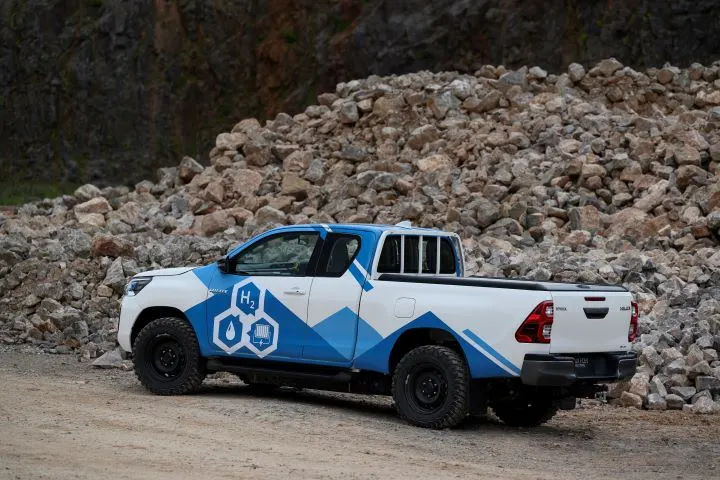
Toyota says the Hilux project 'will contribute to the next generation of fuel cell technology, which will offer longer lifecycles, increased driving range for vehicles and significantly reduced costs.'
Toyota
Toyota entered the demonstration phase of its hydrogen fuel cell project, taking half of 10 Hilux pickup truck prototypes it’s built since last fall into field testing and the other half into customer and media demonstrations.
“By engaging customers with hydrogen fuel cell technology, Toyota is laying the groundwork for a successful hydrogen transport sector in the future,” the Japanese automaker said in a press release.
The demonstration trucks will make appearances at the summer Olympic games in Paris.
Toyota touts the hydrogen-fueled vehicles as a spoke in a wheel of power trains to achieve its goal of carbon neutrality for its lineup “to suit different user needs and local infrastructure.”
The other spokes are hybrid electric, plug-in hybrid electric, battery electric and e-fuels.
The 10 Hilux were built at its Derby, England factory, incorporating what Toyota says is 30 years of hydrogen fuel cell research and development. It says it expects Europe to be one of the biggest commercial markets for hydrogen fuel cell vehicles by 2030.
Toyota says the Hilux project “will contribute to the next generation of fuel cell technology, which will offer longer lifecycles, increased driving range for vehicles and significantly reduced costs.”
The Hilux adapts the emerging power train technology to Toyota’s conventional Hilux truck, first produced in 1968 and introduced to the U.S. market in 1972, replacing it here with the Tacoma in 1995.
DIG DEEPER: Final Fuel-Economy Rule Sets Lower Bar
Originally posted on Auto Dealer Today
More Industry
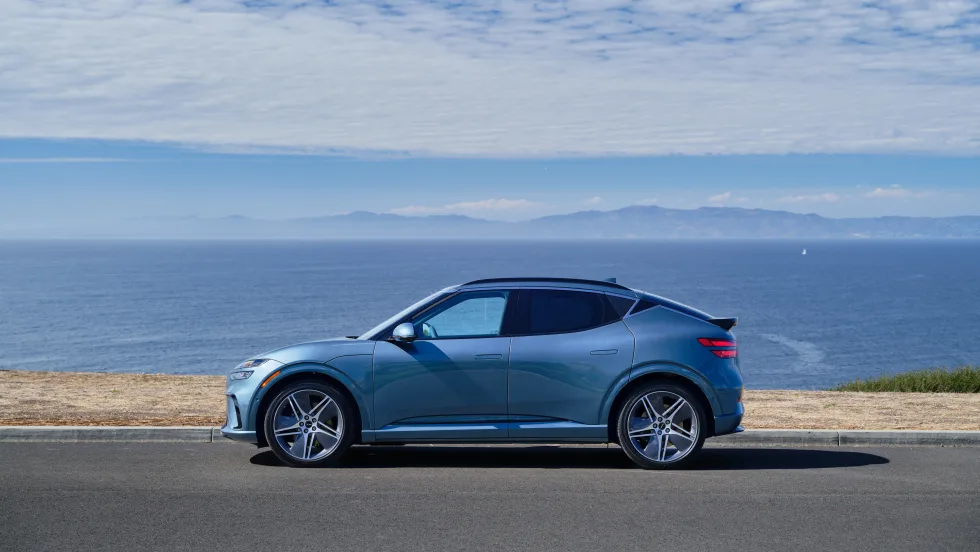
Luxury Rooftop Changes Hands
Genesis of Glenview is getting a new owner and a new location, but its name will stay the same.
Read More →
Future-Proof Your Business
A new industry outlook details several ways that automotive companies can use the rise in artificial intelligence and advanced technologies to their advantage.
Read More →
Dealership Buy-Sells Keep Going Up
First-half transactions reflect continued high appetite for acquisitions despite falling profits, the most sought-after franchises bringing record prices.
Read More →
California Makes Electric Moves
New laws in the Golden State aim to advance consumer access to public electric-vehicle chargers and reduce costs and barriers to its infrastructure.
Read More →
Rare Earths Independence
Automakers seek alternatives to sourcing battery raw materials in volatile markets roiled by trade wars and disrupted supply chains.
Read More →
Volvo Appoints President and CEO
Klaus Zellmer will replace Håkan Samuelsson as president and CEO of Volvo Cars in 2027 as the company makes strategic shifts toward profitability and cash generation.
Read More →
Fix Up Your Fixed Ops
The department may hold untapped potential for your dealership. This issue of the magazine shares ways to unearth it and turn it around for more profits.
Read More →
Easier EV Charging Touted
Wireless charging pad provides automatic powering by just parking, says its maker, which sees a cable-free charger future as global EV demand grows.
Read More →
Vehicle Ownership Costs Rising
Fuel prices, car prices and depreciation are all factors for new vehicles, and this year’s average annual numbers are up with the inclusion of electrics and hybrids.
Read More →
Toyota Tops Longevity List
Toyota, Lexus, Honda and Acura came out on top in iSeeCars’ latest longest-lasting car brand study, all eclipsing the overall average chance of reaching 250,000 miles.
Read More →