



EV Sales, Charger Growth Mismatched
Study shows infrastructure development isn’t keeping pace with gradual EV adoption.


Range anxiety, or driver worry about being able to keep an EV charged while on the road, is consistently cited as one of the major reasons many consumers pass over pure EVs.
Pixabay/Joenomias
U.S. electric-vehicle sales are gradually growing, but charging infrastructure growth isn’t keeping pace, according to a new report.
Second-quarter new light-duty EV sales grew 1% over the first quarter and year-over-year, according to the Alliance for Automotive Innovation.
Registered EVs totaled more than 386,000, up 9% year-over-year and representing an 8% jump in EVs in operation quarter-over-quarter.
Meanwhile, public EV chargers increased by 6% quarter-over-quarter, the alliance reported, for 38 new EVs for every new public charging point, the alliance reported. Looking at the whole EV picture, 5 million of them are on the road, but there are just 177,330 public chargers, or 29 EVs per port.
Range anxiety, or driver worry about being able to keep an EV charged while on the road, is consistently cited as one of the major reasons many consumers pass over pure EVs in favor of hybrids or gas-powered models.
The Biden administration has worked to increase public charging infrastructure, but development hasn’t kept pace with EV adoption, however gradual it may be and behind automakers’ earlier optimistic expectations.
When it comes to EV adoption, some states are further along than others, with California leading the way at 27% of vehicle registrations, followed by Colorado and Washington, D.C., both at 19%, and Oregon, at 16%. EVs also exceed 10% of registrations in seven other states.
Hybrids have taken off in sales as EV growth slowed. The alliance’s report shows they increased 3% year-over-year as gas- and diesel-powered market share fell 4%.
DIG DEEPER: BMW App Gets ICE Owners Thinking About EVs
More Industry
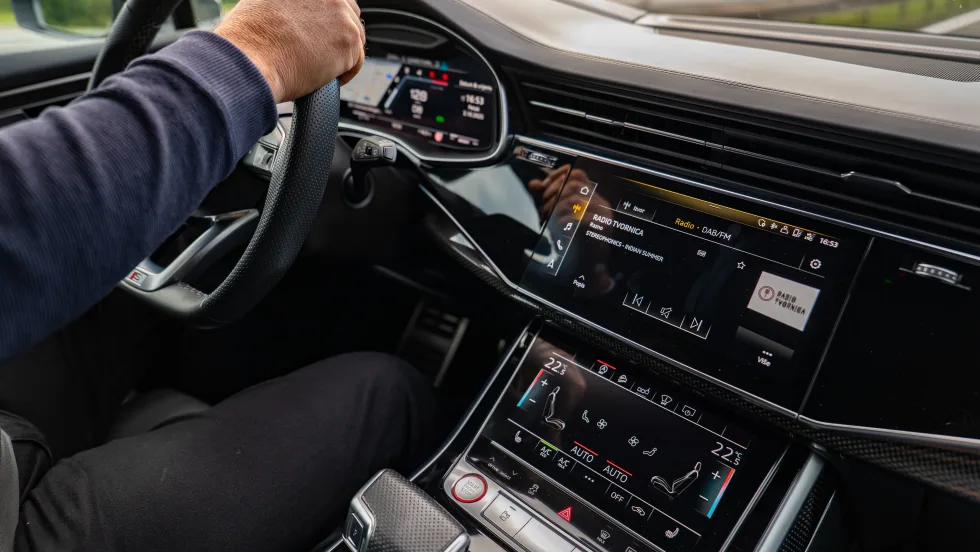
Connection Drives Consideration
Convenience and safety are top priorities for American drivers when it comes to connected vehicles and the services they expect with their next car.
Read More →
New-Vehicle Prices Stay Put
Affordability pressures and model availability shaped new-vehicle sales in September, according to an analysis by Kelley Blue Book.
Read More →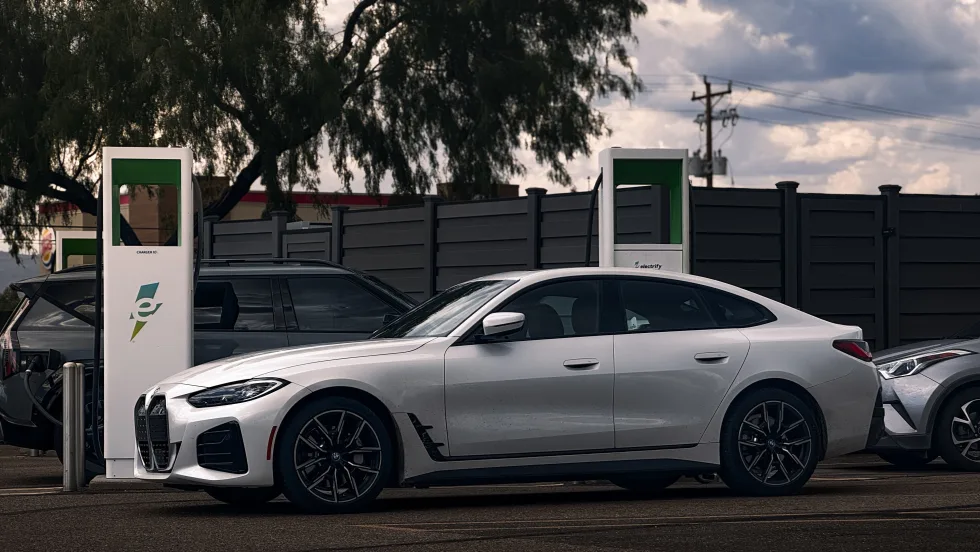
EV Buyer Consideration Shifts
What drives American consumers to purchase an electric vehicle is shifting as the question moves away from Should I?' to 'Which features and experience do I want to have?'
Read More →
Auto Nameplate Loyalty Holds in Tough Times
Consumers have been faithful to brands despite financial pressures, and JD Power says that’s because automakers have made some wise moves.
Read More →
Top New Jersey RV Store Sells
Myer’s RV Superstore is expanding its footprint in the state with two new locations that it acquired from Ed Hutchinson Jr.
Read More →
Alliance Analyzes Technician Pipeline
A new industry report examines the state of skilled trades in the U.S. and details the drivers of demand for automotive repair and how technicians enter and grow in the workforce.
Read More →
Luxury Rooftop Changes Hands
Genesis of Glenview is getting a new owner and a new location, but its name will stay the same.
Read More →
Future-Proof Your Business
A new industry outlook details several ways that automotive companies can use the rise in artificial intelligence and advanced technologies to their advantage.
Read More →
Dealership Buy-Sells Keep Going Up
First-half transactions reflect continued high appetite for acquisitions despite falling profits, the most sought-after franchises bringing record prices.
Read More →
California Makes Electric Moves
New laws in the Golden State aim to advance consumer access to public electric-vehicle chargers and reduce costs and barriers to its infrastructure.
Read More →