



Drivers Fear Driverless Tech
AAA survey finds they favor semiautonomous safety features instead.

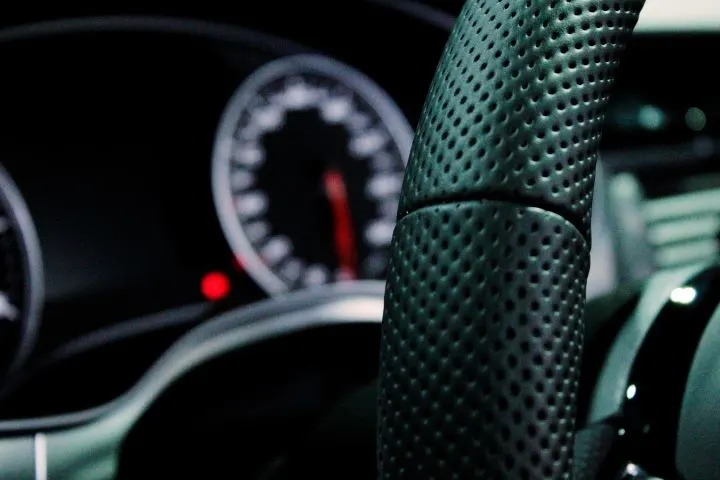
For several years running, most survey respondents say automakers should prioritize vehicle safety features over self-driving technology.
Pexels/Malte Luk
Though slightly more U.S. drivers than last year would trust a car to drive them around, most still fear it and prefer automakers focus on better vehicle safety features.
A AAA study interviewed more than 1,000 drivers in January to assess attitudes toward driverless technology.
The survey found that 61% of American drivers are nervous about riding in a self-driving vehicle, down from 66% last year but still a significant barrier to adoption. Twenty-six said they’re unsure about the technology, while just 13% would trust it, up from 9% last year.
Overriding sentiment continued to center on vehicle safety systems for several years running, 78% of survey respondents saying automakers should prioritize those over self-driving vehicle features. Just 13% prioritize self-driving vehicle technology, down from 18% in 2022.
“AAA believes addressing consumer concerns means transparency regarding ADAS performance with clear communication about its limitations,” the nonprofit organization said in a press release on the survey findings. “Advanced vehicle safety technology should enhance driver safety rather than give the impression that the car is driving itself.”
Since companies operating self-driving taxis, or robotaxis, have established service in several major U.S. cities, 74% of survey respondents were aware of them, but 53% said they wouldn’t hail one, though that majority was smaller among millennial and Generation X respondents.
Meanwhile, most drivers want semiautonomous features in their next vehicles: 64% of respondents would “definitely” or “probably” want automatic emergency braking, 62% reverse automatic emergency braking, and 59% lane-keeping assistance, according to the survey.
More Industry
Auto Nameplate Loyalty Holds in Tough Times
Consumers have been faithful to brands despite financial pressures, and JD Power says that’s because automakers have made some wise moves.
Read More →
Top New Jersey RV Store Sells
Myer’s RV Superstore is expanding its footprint in the state with two new locations that it acquired from Ed Hutchinson Jr.
Read More →
Alliance Analyzes Technician Pipeline
A new industry report examines the state of skilled trades in the U.S. and details the drivers of demand for automotive repair and how technicians enter and grow in the workforce.
Read More →
Luxury Rooftop Changes Hands
Genesis of Glenview is getting a new owner and a new location, but its name will stay the same.
Read More →
Future-Proof Your Business
A new industry outlook details several ways that automotive companies can use the rise in artificial intelligence and advanced technologies to their advantage.
Read More →
Dealership Buy-Sells Keep Going Up
First-half transactions reflect continued high appetite for acquisitions despite falling profits, the most sought-after franchises bringing record prices.
Read More →
California Makes Electric Moves
New laws in the Golden State aim to advance consumer access to public electric-vehicle chargers and reduce costs and barriers to its infrastructure.
Read More →
Rare Earths Independence
Automakers seek alternatives to sourcing battery raw materials in volatile markets roiled by trade wars and disrupted supply chains.
Read More →
Volvo Appoints President and CEO
Klaus Zellmer will replace Håkan Samuelsson as president and CEO of Volvo Cars in 2027 as the company makes strategic shifts toward profitability and cash generation.
Read More →
Fix Up Your Fixed Ops
The department may hold untapped potential for your dealership. There are ways to unearth it and turn it around for more profits.
Read More →