



Take Precautionary ID Measures
And you might want to hold onto those keys, while you’re at it.

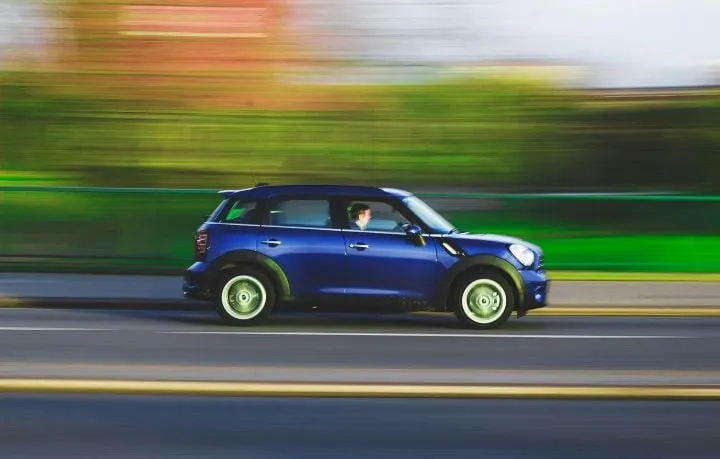
If they do nothing else to prevent theft, dealers must at least never allow people to drive off in one of their vehicles alone.
Pexels/Megapixelstock
Jim Lawyer recently bought a vehicle, and when he test-drove it, he may or may not have been surprised that the salesperson didn’t ride along and that no one even bothered to make a copy of his driver’s license before he went for a spin.
The fact that neither of those basic precautions took place at least told the 700Credit executive that such due-process failures do happen in retail automotive. But there’s also painful legal proof of dealership security gaps.
Last December, a federal district judge ruled that a group of Louisiana auto dealerships, rather than its insurers, was liable for the theft of five vehicles from its stores via fake identities enabled by a “touchless” all-electronic purchase process set up during the pandemic.
The online sales, while creating convenience during a stressful, confusing period that initially saw vehicle sales plummet, also introduced chaos that ended up burning the dealers. The practice was common in the industry at the time, and there are still remnants of it, Lawyer said.
When the consumers applied for financing and the dealer approved, the majority of the paperwork was completed online, he explained, with no in-person interaction. Vehicle pickup was arranged, and in those cases, the dealers didn’t verify the buyers’ identities.
When Lawyer shared the horror story with guests of Bobit Dealer Group’s recent Agent Summit, he said that though painful, the lapses in judgment provide opportunity for agents to help dealers prevent their own versions of such losses.
Not a lawyer himself, though apparently with ancestry in the business, the industry veteran has educated himself on the intricacies of today’s kind of auto thievery and knows how dealers can protect themselves from it.
No Solo Test-Drives
If they do nothing else, dealers must at least never allow people to drive off in one of their vehicles alone, he said.
To underline his point, Lawyer told the story of a young, attractive woman who visited a dealership during the pandemic, saying she had concerns about catching Covid and also didn’t want to be alone in a car with a salesman. The salesman put her driver’s license through the store’s identification scanner but didn’t heed the system’s warnings, and the woman drove off in a dealership car by herself, reminiscent of Lawyer’s recent solo test-drive.
But though she did return the car, saying she didn’t want to buy it, the next morning, the vehicle had vanished from the dealer’s lot. The woman or an accomplice had made a copy of the key fob, he said.
In a similar scenario, a buyer visited a dealership for a test-drive, where a salesperson photocopied the driver’s license and sent the shopper off alone. Similar to the solo female test-driver, he returned it to the dealership, opting not to buy. That vehicle also disappeared, and this time it turned out that the thief had returned it along with a dummy fob, taking the real key with him to unlock the car after-hours.
In all of those cases, Lawyer said the thieves used fake IDs and/or the salespeople circumvented the stores’ sales processes or technologies, or the stores had poor processes to start with.
Given such blatant thefts and the dealer lapses that enabled them, it seems wise to learn some of the methods thieves use to snatch vehicles from dealer lots. Today, many create synthetic identities to give the appearance of authenticity.
“Fraudsters ultimately need some form of credit to steal something,” Lawyer said.
Not a Case of Stolen Identity
The Louisiana case, for instance, involved fabricated credentials that suggested real consumers but that weren’t associated with any real people. The dealers performed document verification but not ID verification, Lawyer said. They should’ve taken that extra step of fully verifying the consumers were who they said they were.
Such fake IDs “are almost impossible to detect through traditional identification services,” he said, because they’re only designed to look real. They take as long as a year or more to create through fake names, addresses and random “Social Security” numbers or by using a real child’s information.
The thief then uses the fake credentials to apply for a small loan, such as a store credit card, in order to be added to credit bureaus’ databases, then starts making payments. The thief next creates a second synthetic ID and begins building a credit history.
Given the increasing use of such methods, dealers must implement an ID-verification solution, Lawyer urged.
“Install the process early in the sales engagement. You no longer can wait till you get to the F&I office,” he said. “You’ve already invited the fraudster into the dealership.”
Validating driver’s licenses really doesn’t do anything, he said. “Who told us that photocopying a driver’s license would be helpful in preventing a car from being stolen?”
Identity-verification systems should tie the customer in the dealership to the identification documents he or she provides to the store, Lawyer said. The system should import the data into the store’s solutions for use and ultimately for storage.
Verify the Solutions
Lawyer recommends that dealerships look for certain verification system functionalities:
Document validation to ensure the photo on the front of a driver license matches the bar code on the back, for instance
Selfie verification that matches the consumer’s self-taken photo with their ID photo. This method can put off some people, so dealers should balance their decision to use it with the need to protect themselves.
Device verification – by the way, Lawyer said vehicle thieves tend to use expensive cellphones, not cheap “burners.”
Conventional ID checks
An authentication process that starts with a text to the customer before he or she visits the dealership, a method Lawyer says many customers want due to the convenience and comfort factor.
Beyond those and declining any requests for solo test-drives, Lawyer said that if a dealer’s identity-verification system issues an alert, the dealership shouldn’t let that shopper take a test-drive.
“If dealers do all these things, they’re not going to be like those dealers in Louisiana.”
ABOUT THE AUTHOR: Hannah Mitchell is executive editor of Agent Entrepreneur. A former daily newspaper journalist, her first car was a hand-me-down Chevrolet Nova.
Originally posted on Agent Entrepreneur
More Industry
Connection Drives Consideration
Convenience and safety are top priorities for American drivers when it comes to connected vehicles and the services they expect with their next car.
Read More →
New-Vehicle Prices Stay Put
Affordability pressures and model availability shaped new-vehicle sales in September, according to an analysis by Kelley Blue Book.
Read More →
EV Buyer Consideration Shifts
What drives American consumers to purchase an electric vehicle is shifting as the question moves away from Should I?' to 'Which features and experience do I want to have?'
Read More →
Auto Nameplate Loyalty Holds in Tough Times
Consumers have been faithful to brands despite financial pressures, and JD Power says that’s because automakers have made some wise moves.
Read More →
Top New Jersey RV Store Sells
Myer’s RV Superstore is expanding its footprint in the state with two new locations that it acquired from Ed Hutchinson Jr.
Read More →
Alliance Analyzes Technician Pipeline
A new industry report examines the state of skilled trades in the U.S. and details the drivers of demand for automotive repair and how technicians enter and grow in the workforce.
Read More →
Luxury Rooftop Changes Hands
Genesis of Glenview is getting a new owner and a new location, but its name will stay the same.
Read More →
Future-Proof Your Business
A new industry outlook details several ways that automotive companies can use the rise in artificial intelligence and advanced technologies to their advantage.
Read More →
Dealership Buy-Sells Keep Going Up
First-half transactions reflect continued high appetite for acquisitions despite falling profits, the most sought-after franchises bringing record prices.
Read More →
California Makes Electric Moves
New laws in the Golden State aim to advance consumer access to public electric-vehicle chargers and reduce costs and barriers to its infrastructure.
Read More →