



2025 Dealership Buy-Sells a Record
The Kerrigan Index shows that despite a chaotic year of musical trade tariffs, high vehicle prices and more roadblocks, acquirers still flush with pandemic-era cash accelerated the consolidation pace.

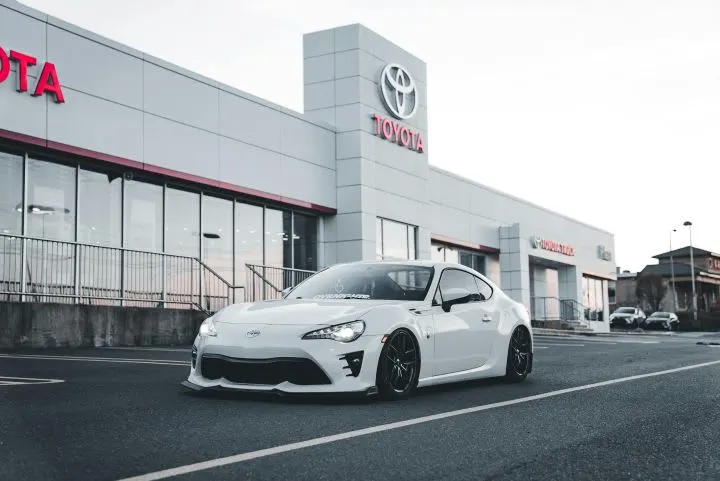
Toyota held onto the distinction of being the most sought-after nonluxury brand in the U.S., Kerrigan Advisors said. In fact, prospective acquirers picked up the pace of their Toyota shopping.
Pexels/Erik McIean
Though many U.S. auto dealership acquirers are being more selective about the stores they pick up, last year’s buy-sell activity reached a historical high as retail sales and profits eclipsed prepandemic levels.
Nearly 460 dealerships traded hands last year, up 5% despite trade tariffs and other pressures, according to sell-side firm Kerrigan Advisors, which counted 688 individual franchises transacted. The robust activity, in addition to being a response to strong auto retail business, was also juiced by the spike in pandemic-era earnings.
The shopping spree that’s ensued over the past five years represents a 15% franchise turnover rate, almost double the rate in the five years before the pandemic, Kerrigan said.
Last year, many dealers shed weaker Stellantis and Nissan stores while others scooped up coveted Toyota and luxury brand dealerships. In fact, top-150 auto groups are quickly picking up the valuable franchises, the majority in fast-growing metro areas now owned by them, Kerrigan said.
Though the year’s consolidation spoke in part to healthy auto retail business, Kerrigan warned of choppy waters ahead. It cited AlixPartners’ “Disruption Index,” which ranks the auto industry as the sector at greatest risk of disruption.
Among the disruptors Kerrigan sees are:
- Technological change, including artificial-intelligence tools adopted by the likes of used-car retail giant Carvana to increase market share
- Increasing consumer affordability concerns that could dampen sales
- China’s growing global new-vehicle production, which has jumped over the past decade from 10% to 40%
Some retailers have had enough of the technological disruption at least, and are looking to exit the sector to escape fatigue from the rapid changes, according to the firm.
But disruption, instead of weakening the industry, should actually strengthen it, according to Kerrigan, which said it believes the changes will make the sector more structurally sound and profitable for growing auto groups.
“The next phase of the industry will be defined by higher productivity, deeper technological integration and reduced reliance on traditional labor models. As AI enhances throughput and operating efficiency, success will increasingly depend on meaningful economies of scale and scope,” the firm said in its Kerrigan Report.
“Well-capitalized consolidators, fortified by the wealth accumulated during the pandemic and supported by a growing base of outside capital partners, are leaning into this transition with disciplined acquisition strategies. For these groups, industry transformation represents opportunity, not threat, and will be the key driver of continued consolidation in 2026 and beyond.”
LEARN MORE: Chip Shortage Seen in Auto Industry
More Industry
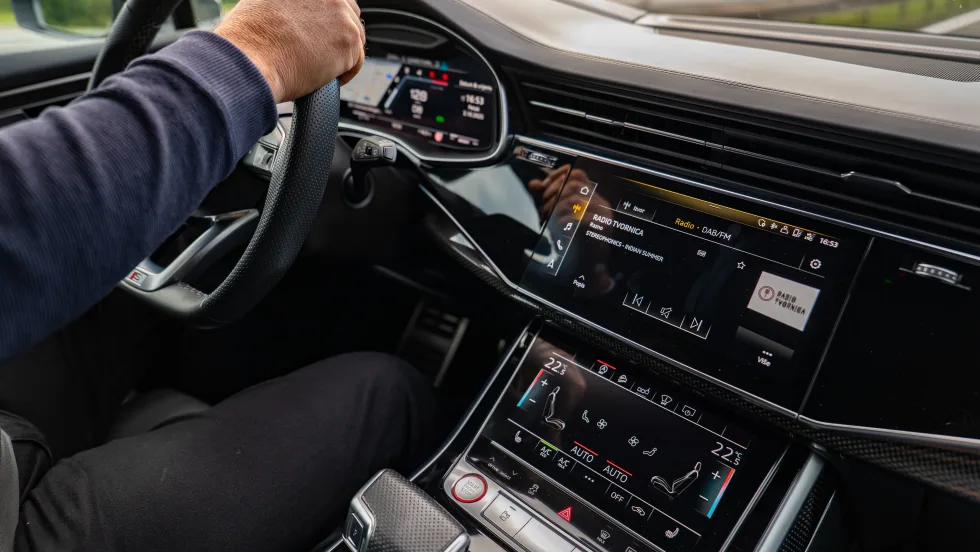
Connection Drives Consideration
Convenience and safety are top priorities for American drivers when it comes to connected vehicles and the services they expect with their next car.
Read More →
New-Vehicle Prices Stay Put
Affordability pressures and model availability shaped new-vehicle sales in September, according to an analysis by Kelley Blue Book.
Read More →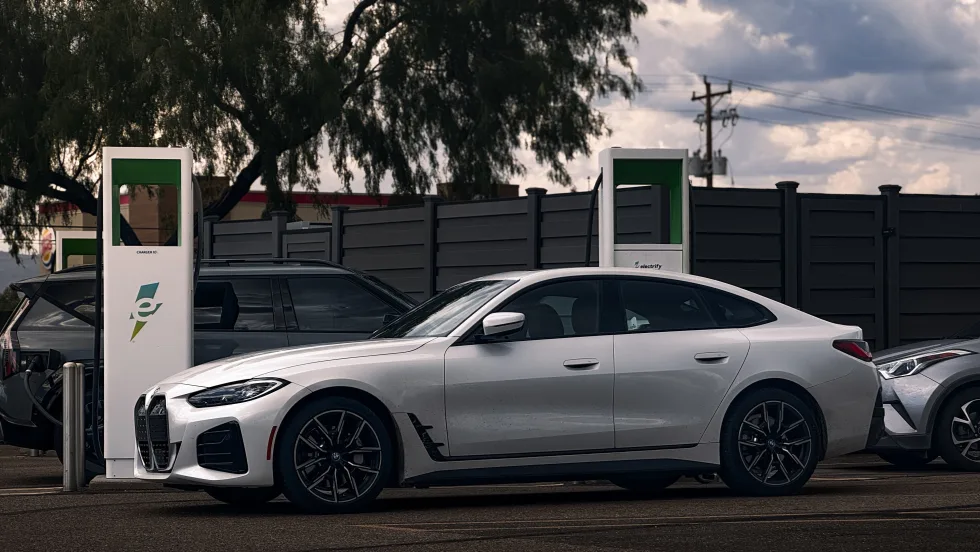
EV Buyer Consideration Shifts
What drives American consumers to purchase an electric vehicle is shifting as the question moves away from Should I?' to 'Which features and experience do I want to have?'
Read More →
Auto Nameplate Loyalty Holds in Tough Times
Consumers have been faithful to brands despite financial pressures, and JD Power says that’s because automakers have made some wise moves.
Read More →
Top New Jersey RV Store Sells
Myer’s RV Superstore is expanding its footprint in the state with two new locations that it acquired from Ed Hutchinson Jr.
Read More →
Alliance Analyzes Technician Pipeline
A new industry report examines the state of skilled trades in the U.S. and details the drivers of demand for automotive repair and how technicians enter and grow in the workforce.
Read More →
Luxury Rooftop Changes Hands
Genesis of Glenview is getting a new owner and a new location, but its name will stay the same.
Read More →
Future-Proof Your Business
A new industry outlook details several ways that automotive companies can use the rise in artificial intelligence and advanced technologies to their advantage.
Read More →
Dealership Buy-Sells Keep Going Up
First-half transactions reflect continued high appetite for acquisitions despite falling profits, the most sought-after franchises bringing record prices.
Read More →
California Makes Electric Moves
New laws in the Golden State aim to advance consumer access to public electric-vehicle chargers and reduce costs and barriers to its infrastructure.
Read More →