



Car Theft Rash Diminishes
Hyundais, Kias that got software upgrades stolen much less frequently.


Vehicles that get the software update also get a window sticker indicating the antitheft capability in order to deter prospective thieves.
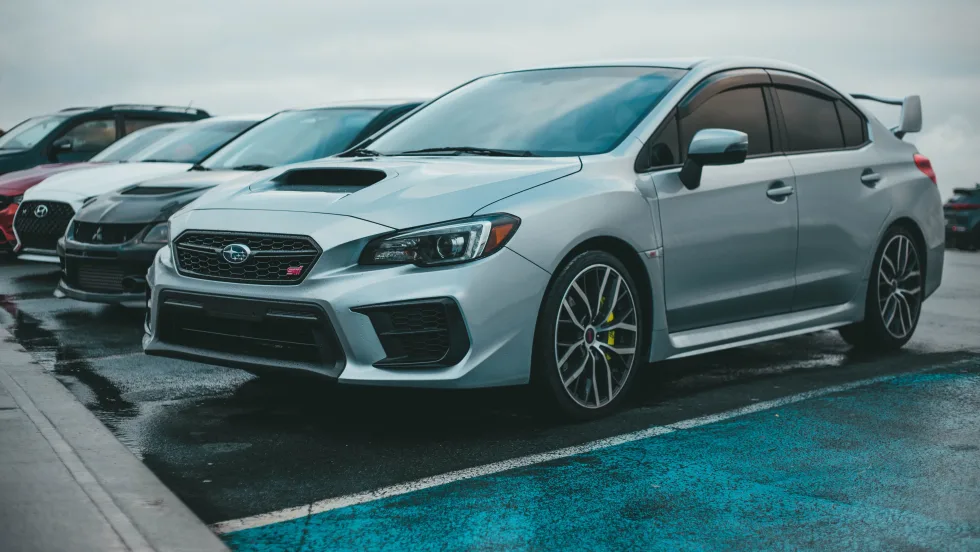
Pexels/Alina Rossoshanska
A rash of Hyundai and Kia thefts in the past couple of years has dropped sharply after the South Korean automakers made antitheft software updates to vulnerable models.
The nonprofit Insurance Institute for Highway Safety said the updates, which started last year, have reduced the rate of theft among the vehicles by more than half.
“The companies’ solution is extremely effective,” said Matt Moore, senior vice president of the institute’s sister group, the Highway Loss Data Institute. “If you own a Hyundai or Kia vehicle without an electronic immobilizer, you should call your local dealer about getting the software upgrade today.”
The updates started in February 2023 after thieves targeted models without electronic mobilizers, even posting social media videos to instruct others in their theft methods. IIHS said the software updates allow the vehicles to be started only with the owner’s key or an identical duplicate used in the ignition.
Updated vehicles also get a window sticker indicating the antitheft capability in order to deter prospective thieves.
Hyundais and Kias model years 2011 to 2022 didn’t come with electronic immobilizers as standard, or what IIHS said is about two dozen models.
As of last December, about 30% of eligible vehicles had gotten the software update, and their theft claim frequency has since been 53% below those that hadn’t gotten the upgrade, IIHS said. The claims also cover damage to stolen vehicles, items inside the vehicles that were stolen, and vehicle parts thefts.
The automakers’ theft rates should eventually return to industry normals as criminals become aware many are no longer easy targets “and the fad gets stale,” Moore said.
Hyundai and Kia settled a class-action lawsuit over the thefts in the spring of last year in the amount of $200 million, covering about nine million vehicle owners between them.
In addition to the software upgrade, the companies reimbursed owners for steering wheel locks and worked with AAA to insure effected vehicles. But many major U.S. cities sued them over the thefts, which sometimes ended with episodes of dangerous driving, including collisions, and many attorneys general urged them to do more about the problem, including a recall. Some insurance companies sued them. Part of the models prone to theft weren't eligible for the software update.
Originally posted on Auto Dealer Today
More Industry
New-Vehicle Prices Stay Put
Affordability pressures and model availability shaped new-vehicle sales in September, according to an analysis by Kelley Blue Book.
Read More →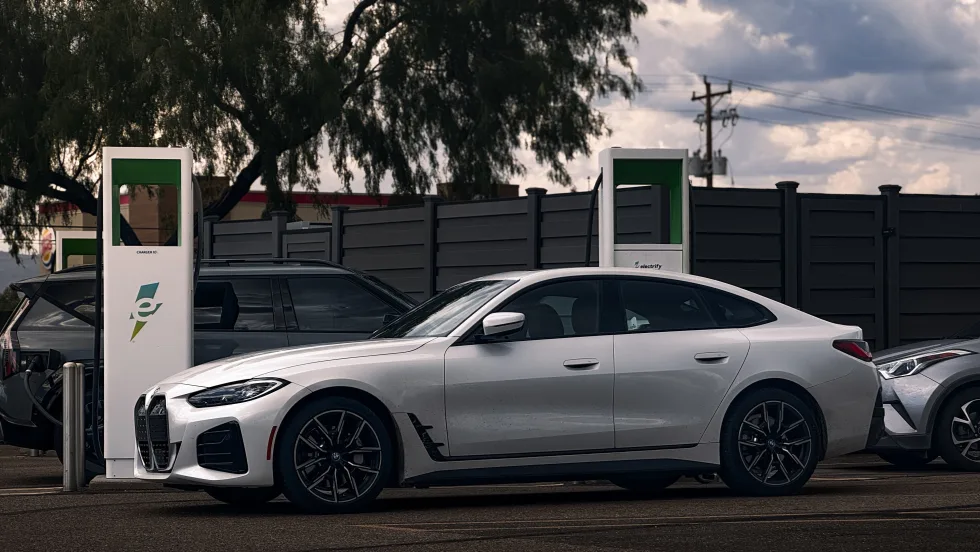
EV Buyer Consideration Shifts
What drives American consumers to purchase an electric vehicle is shifting as the question moves away from Should I?' to 'Which features and experience do I want to have?'
Read More →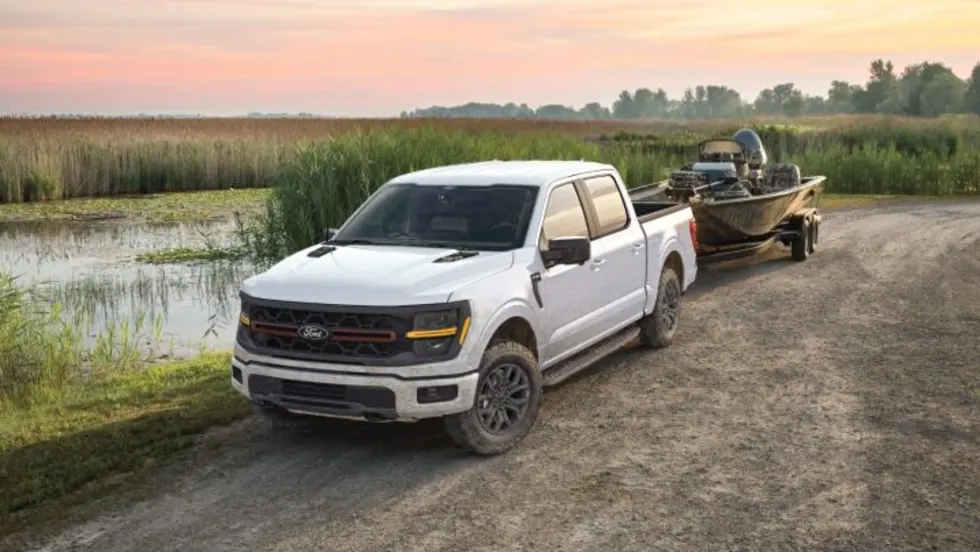
Auto Nameplate Loyalty Holds in Tough Times
Consumers have been faithful to brands despite financial pressures, and JD Power says that’s because automakers have made some wise moves.
Read More →
Top New Jersey RV Store Sells
Myer’s RV Superstore is expanding its footprint in the state with two new locations that it acquired from Ed Hutchinson Jr.
Read More →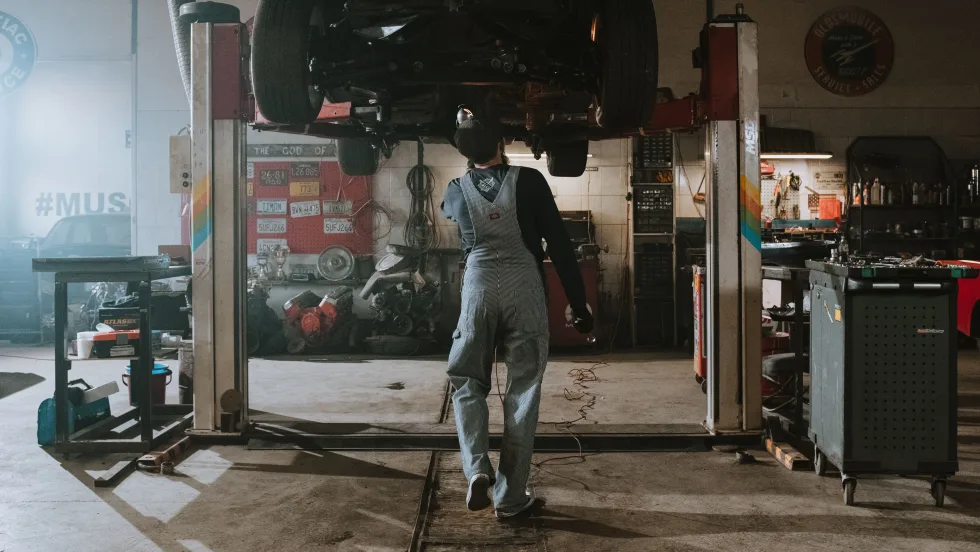
Alliance Analyzes Technician Pipeline
A new industry report examines the state of skilled trades in the U.S. and details the drivers of demand for automotive repair and how technicians enter and grow in the workforce.
Read More →
Luxury Rooftop Changes Hands
Genesis of Glenview is getting a new owner and a new location, but its name will stay the same.
Read More →
Future-Proof Your Business
A new industry outlook details several ways that automotive companies can use the rise in artificial intelligence and advanced technologies to their advantage.
Read More →
Dealership Buy-Sells Keep Going Up
First-half transactions reflect continued high appetite for acquisitions despite falling profits, the most sought-after franchises bringing record prices.
Read More →
California Makes Electric Moves
New laws in the Golden State aim to advance consumer access to public electric-vehicle chargers and reduce costs and barriers to its infrastructure.
Read More →
Rare Earths Independence
Automakers seek alternatives to sourcing battery raw materials in volatile markets roiled by trade wars and disrupted supply chains.
Read More →