



Consumer Pessimism Grows
Survey finds increased concern about finances, jobs and inflation, reduced plans to buy big-ticket items


Plans to buy expensive items in the next six months, including cars – flat since May – fell this month. Of planned purchases, though, used cars figured largely.
Pexels/Karola G
Consumers aren’t feeling optimistic, pulling down a major sentiment index for the 10th month in a row as they fret about inflation, including trade tariff effects, and politics.
The Conference Board Consumer Confidence Index fell nearly seven points this month to 88.7.
The separate Present Situation Index on today’s labor market and business conditions declined four points to 126.9, and the board’s Expectations Index on short-term outlook fell about nine points to 63.2, remaining under 80 for the 10th month, its threshold for expected recession.
The measured sentiment hit its lowest point since April, when the Trump administration was instituting some of its earliest rounds of trade tariffs.
“Consumers were notably more pessimistic about business conditions six months from now,” said Conference Board Chief Economist Dana Peterson. “Mid-2026 expectations for labor market conditions remained decidedly negative, and expectations for increased household incomes shrunk dramatically after six months of strongly positive readings.”
The pessimism showed across ages, income levels and political affiliations, except for consumers younger than 35, the board reported.
Many write-in survey respondents cited the federal government shutdown as a factor in their decreased confidence, along with inflation and tariffs. The six-week shutdown was the longest in U.S. history and came amid ongoing trade tariff fluctuations and effects on products and services prices.
The share of consumers who believe the U.S. economy has already been in a recession increased for the fourth month, while those who think a recession is somewhat likely rose.
Plans to buy expensive items in the next six months, including cars – flat since May – fell this month, the board reported. Of planned purchases, though, used cars figured largely.
“After staging a mild comeback on a six-month moving average basis from early-summer lows, expectations for purchasing cars ticked downward for both new and used vehicles,” its report indicates.
As is historically the case in down economies, consumers planned to either splurge on small luxuries, such as amusement parks, or focus on essentials, including healthcare, the survey found.
“In general, spending trends among consumers this year have increasingly moved towards cheap thrills and necessary services and away from expensive and highly discretionary activities.”
More Industry
Connection Drives Consideration
Convenience and safety are top priorities for American drivers when it comes to connected vehicles and the services they expect with their next car.
Read More →
New-Vehicle Prices Stay Put
Affordability pressures and model availability shaped new-vehicle sales in September, according to an analysis by Kelley Blue Book.
Read More →
EV Buyer Consideration Shifts
What drives American consumers to purchase an electric vehicle is shifting as the question moves away from Should I?' to 'Which features and experience do I want to have?'
Read More →
Auto Nameplate Loyalty Holds in Tough Times
Consumers have been faithful to brands despite financial pressures, and JD Power says that’s because automakers have made some wise moves.
Read More →
Top New Jersey RV Store Sells
Myer’s RV Superstore is expanding its footprint in the state with two new locations that it acquired from Ed Hutchinson Jr.
Read More →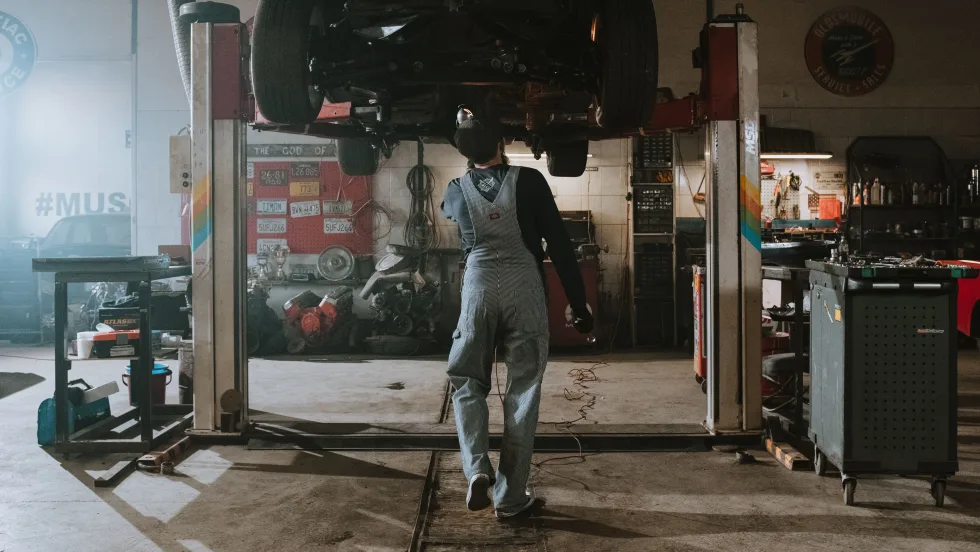
Alliance Analyzes Technician Pipeline
A new industry report examines the state of skilled trades in the U.S. and details the drivers of demand for automotive repair and how technicians enter and grow in the workforce.
Read More →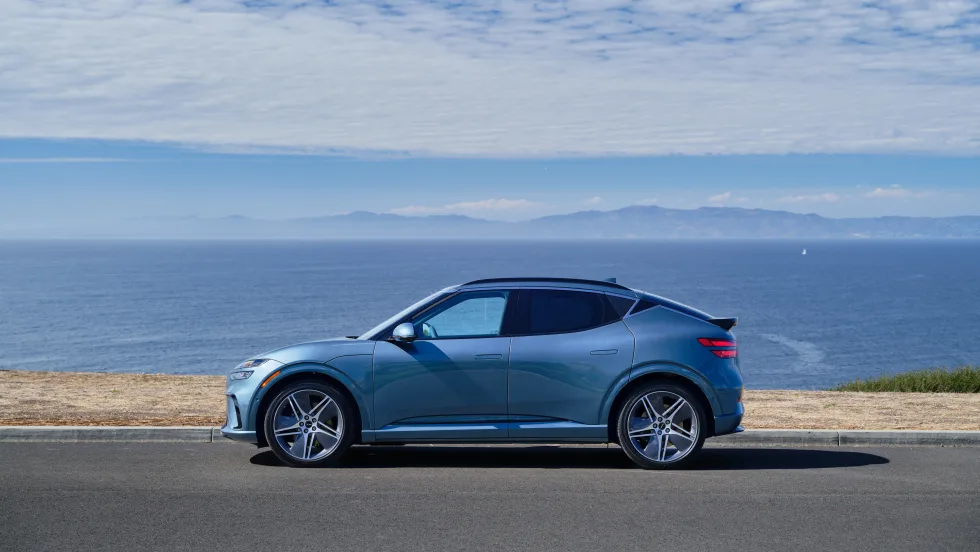
Luxury Rooftop Changes Hands
Genesis of Glenview is getting a new owner and a new location, but its name will stay the same.
Read More →
Future-Proof Your Business
A new industry outlook details several ways that automotive companies can use the rise in artificial intelligence and advanced technologies to their advantage.
Read More →
Dealership Buy-Sells Keep Going Up
First-half transactions reflect continued high appetite for acquisitions despite falling profits, the most sought-after franchises bringing record prices.
Read More →
California Makes Electric Moves
New laws in the Golden State aim to advance consumer access to public electric-vehicle chargers and reduce costs and barriers to its infrastructure.
Read More →